



News:
Brokerage
Posted: October 15, 2019
Lee & Associates NYC appoints Zuckerman new chief operating officer
 Manhattan, NY Lee & Associates NYC LLC (Lee NYC) welcomes Jon Zuckerman to its executive team as chief operating officer.
Prior, Zuckerman was an executive managing director at Colliers International, where he focused on tenant representation although he has a background that includes extensive property owner representation as well.
He has been featured on CoStar’s list of NYC’s Top 20 Brokers based on leasing volume, primarily due to numerous years in which his transactions fell among the city’s top 50. Zuckerman started at Lee NYC on September 23rd, 2019.
“He has more than 35 years of commercial real estate experience and I have known him throughout his time in the industry,” said James Wacht, president of Lee NYC. “Not only is he an incredibly successful broker who has leased more than eight million square feet in the past 20 years, but he is a true leader who will take Lee NYC to the next level.”
“I am incredibly excited about joining the team and building on the already burgeoning platform at Lee NYC,” said Zuckerman. “I hope to bring the firm into the main thoroughfare of the New York City brokerage community, so that it will be spoken in the same breath as the city’s best-known real estate companies.”
Over the course of his career, Zuckerman has completed numerous high-profile transactions including the 300,000 s/f deal for Avon at 777 Third Ave. and more than two million s/f representing MetLife at 200 Park Ave., among others. Some of his property owner clients include Shorenstein Properties, New York Life, Compass Management and MetLife. Zuckerman was previously an executive managing director at Newmark Grubb Knight Frank and before that, he was an attorney.
Outside of work, Zuckerman enjoys spending time with his wife, two children and four dogs. He is also a frequent lecturer at Columbia University’s Graduate Business School and teaches a class on lease negotiations for The New York State Bar Association.
Tags:
Brokerage
MORE FROM Brokerage
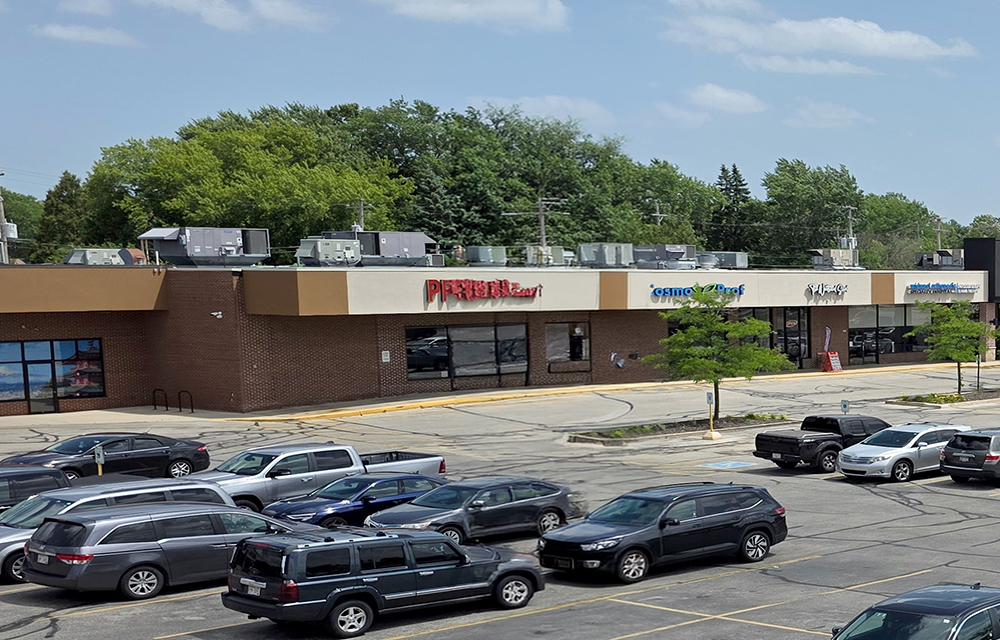
United Properties Corp. expands Wisconsin and Illinois retail presence adding 200,000 s/f
West Allis, WI United Properties Corp. completed two retail acquisitions totaling $27.4 million across Illinois and Wisconsin, adding 205,000 s/f of shopping center space to its portfolio






 (2).gif)

Columns and Thought Leadership

New York’s streets are full again, and the retail numbers prove it - by Noam Aziz
Walk down any New York block this year and you can feel it. The sidewalks are crowded, the storefronts are lit, and the energy that defines this city is back at full volume.

Hunt commercial real estate question and answer: Fortune 500 wisdom - by David Hunt
Yes, there are lessons to be learned from the largest companies in America when comes to managing your real estate. But the decision to buy or lease real estate may not be one of

Positive forecast for New York’s pro-housing push? - by Philip Butler
New York’s housing crisis remains a hot button topic despite growing consensus that varied and affordable housing is desperately needed statewide. Governor Hochul has recently introduced several initiatives to overcome N.Y.’s anti-housing

A guide to finding the right NYC property management company - by Sanjay Gandhi
Being a small to midsize landlord in NYC is an increasingly demanding endeavor. From navigating complex regulations, increased compliance demands to dealing with tenant issues and remediating violations. It is wise to enlist the assistance of a partner, a professional
.gif)