



News:
Brokerage
Posted: July 26, 2022
Landmarked churches need help - by Thomas Kearns

The recent hardship filing by the landmarked Park-West Church has highlighted the difficulties faced by landmarked churches. According to news stories, the Park-West congregation has diminished, and the church needs millions for repairs to keep it safe. New York law gives owners of landmarked not-for-profit buildings a right to ask to demolish the building due to hardship. While a few hardship applications have been granted, perhaps the most well-known hardship application, for St. Bart’s on Park Ave. in Manhattan, was denied.
The law governing air rights tries to help landmarked buildings maintain their viability by granting the right to sell air rights across the street. Normally only directly adjacent sites are eligible to receive air rights. We do a lot of air rights transactions for our clients and we asked one of the consultants we usually work with to take a look at the Park-West area, and he found that there were no obvious sites that could use Park-West’s air rights. While air rights purchased from another lot can make a building taller, there are many zoning restrictions that limit where air rights can be used.
The proposed buyer’s plan for Park-West involves a full demolition. The Landmarks Preservation Commission could deny the hardship application and might be able to force a sale to a buyer who would agree to use the building as is. The city might also be able to condemn the building and pay fair value for it, but that is expensive and, when affordable housing, mental health and other budget demands are so extensive, is that the right use of city tax dollars?
A denial of the Park-West hardship application will no doubt bring a court challenge. I have read the leading New York court decisions and they are not easy to analyze but, with St. Bart’s decision as a recent example, New York courts may uphold a decision by the Commission to deny the application. Another consideration is the Takings Clause of the Fifth Amendment to the U.S. constitution. The U.S. Supreme Court’s takings jurisprudence has been evolving more favorably toward landowners over the decades since the landmarks law was passed in the 1970’s.
As a policy matter, how should we help landmarked churches? One little known mechanism was adopted to help landmarked Broadway theaters—the creation of a special district running from 40th to 57th Sts. and 6th to 8th Aves. in which the theaters could sell air rights, thereby opening a much larger pool of air rights buyers. By most accounts that statutory change worked, giving the owners of the theaters the ability to monetize their property and reducing the hardship for maintaining the theaters. Perhaps a similar mechanism could be created for landmarked churches and coupled with an affordable housing component or other restrictions could relieve the hardship that many landmarked churches are facing.
The Park-West building is beautiful. To lose it would be significant. But given statutory and constitutional issues, we should consider as a society how to help churches and other not-for- profits keep their buildings maintained.
Thomas Kearns is a partner with Olshan Frome Wolosky LLP, New York, N.Y
Tags:
Brokerage
MORE FROM Brokerage
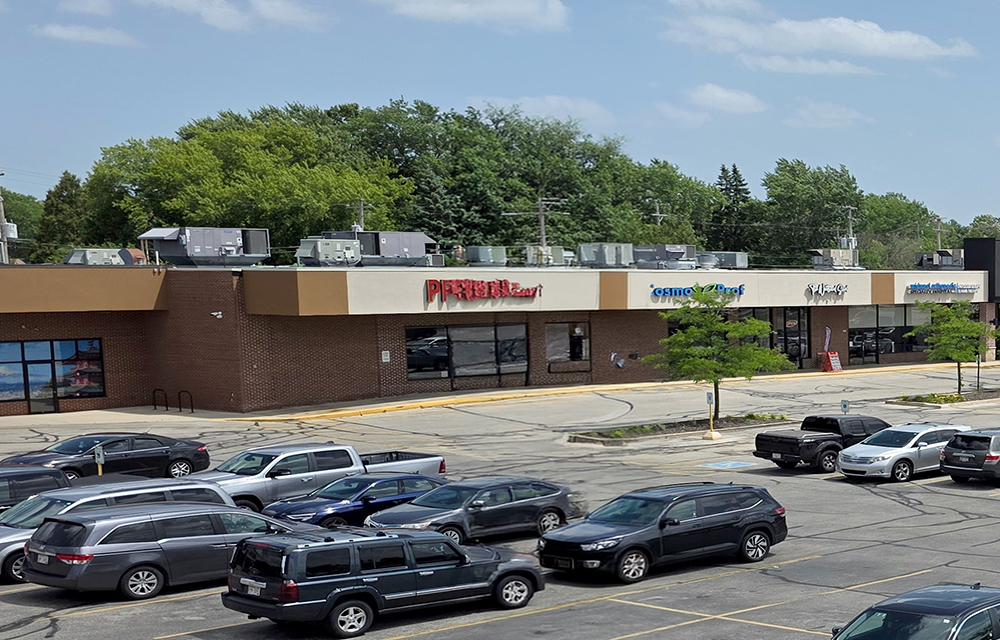
United Properties Corp. expands Wisconsin and Illinois retail presence adding 200,000 s/f
West Allis, WI United Properties Corp. completed two retail acquisitions totaling $27.4 million across Illinois and Wisconsin, adding 205,000 s/f of shopping center space to its portfolio


Quick Hits
 (2).gif)

Columns and Thought Leadership

New York’s streets are full again, and the retail numbers prove it - by Noam Aziz
Walk down any New York block this year and you can feel it. The sidewalks are crowded, the storefronts are lit, and the energy that defines this city is back at full volume.

Positive forecast for New York’s pro-housing push? - by Philip Butler
New York’s housing crisis remains a hot button topic despite growing consensus that varied and affordable housing is desperately needed statewide. Governor Hochul has recently introduced several initiatives to overcome N.Y.’s anti-housing

Hunt commercial real estate question and answer: Fortune 500 wisdom - by David Hunt
Yes, there are lessons to be learned from the largest companies in America when comes to managing your real estate. But the decision to buy or lease real estate may not be one of

A guide to finding the right NYC property management company - by Sanjay Gandhi
Being a small to midsize landlord in NYC is an increasingly demanding endeavor. From navigating complex regulations, increased compliance demands to dealing with tenant issues and remediating violations. It is wise to enlist the assistance of a partner, a professional
.gif)