



News:
Brokerage
Posted: February 27, 2026
Koeppel Rosen negotiates new lease for The Ancillary Project at 36 East 31st St.

Manhattan, NY Koeppel Rosen LLC, leasing and management agent for the Rosen family portfolio, and stewards for a number of local office properties, made known that creative studio The Ancillary Project LLC signed a 5,851 s/f lease at 36 East 31st St.
The space, which occupies a partial section of the fourth floor in the building, will be used as an office and a showroom. The lease agreement comprises 5 years and 5 months.
Ownership was represented in house by Max Koeppel in the transaction. The tenant was represented by Greg Taubin and Ella Berckmans with Savills Inc.
The Ancillary Project LLC is a New York City–based creative studio specializing in contemporary design, curated branding, and multidisciplinary visual production. Serving clients across fashion, lifestyle, and cultural sectors, the firm blends strategic insight with an editorial, art-driven aesthetic to develop refined identities, campaigns, and spatial concepts.
“Leasing remains strong at 36 East 31st St. and we’re pleased to add a high-quality, creative design organization like The Ancillary Project to our growing tenant roster,” said Max Koeppel, director of leasing, Koeppel Rosen.
Constructed in 1914, 36 East 31st St. is a 12-story mid-rise loft and office building in the Midtown South neighborhood. Situated between Park Ave. and Madison Ave., the building offers 146,199 s/f and is recognized for its fluted column façade. The building is near several local Midtown including restaurants and attractions and is close to numerous public transportation options.
Other tenants at the property include Hilldun Corp., Clover Corp., Northwell Health, MOOOI and FLOS.
Tags:
Brokerage
New York City
MORE FROM Brokerage
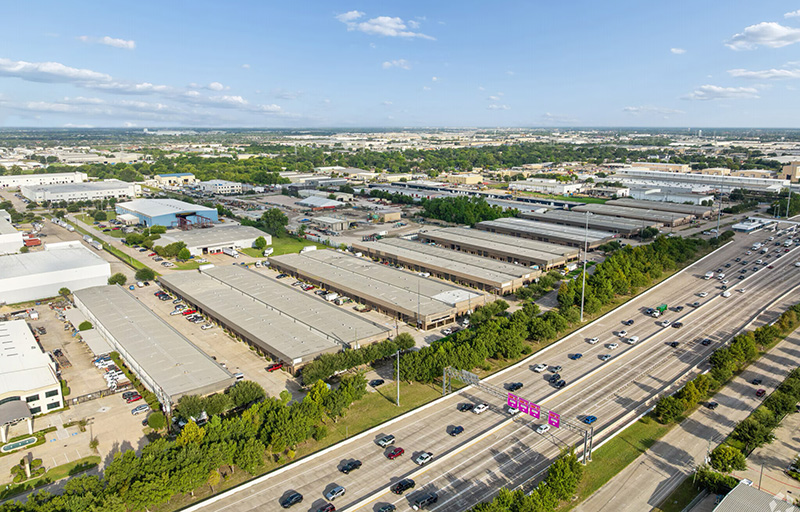
Simi Capital enters Texas with acquisition of 359,000 s/f small-bay industrial portfolio in Northwest Houston
Houston, TX Simi Capital acquired a three-property, 359,000 s/f small-bay industrial portfolio. The transaction, completed in a joint venture with Decker Capital, marks Simi




Quick Hits

Columns and Thought Leadership

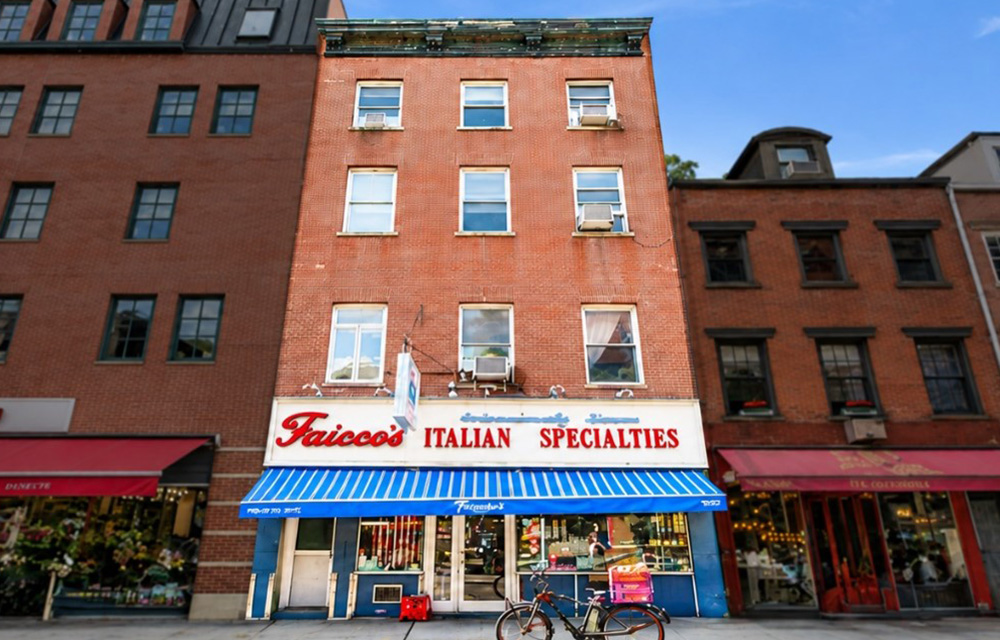
New York’s streets are full again, and the retail numbers prove it - by Noam Aziz
Walk down any New York block this year and you can feel it. The sidewalks are crowded, the storefronts are lit, and the energy that defines this city is back at full volume.

Hunt CRE question and answer: Choosing a real estate agent - by David Hunt
First, we will only work with one agent exclusively. The primary reason is that we want that agent to legally represent our client’s interests. In New York State, a real estate agent has a fiduciary

A guide to finding the right NYC property management company - by Sanjay Gandhi
Being a small to midsize landlord in NYC is an increasingly demanding endeavor. From navigating complex regulations, increased compliance demands to dealing with tenant issues and remediating violations. It is wise to enlist the assistance of a partner, a professional

Hunt commercial real estate question and answer: Fortune 500 wisdom - by David Hunt
Yes, there are lessons to be learned from the largest companies in America when comes to managing your real estate. But the decision to buy or lease real estate may not be one of
.gif)