



News:
Brokerage
Posted: September 22, 2014
Knakal and Ciraulo of Massey Knakal arrange 144-unit portfolio sale
Massey Knakal Realty Services has arranged the sale and financing of a portfolio of residential condominium units within The Corinthian building at 645 First Ave., located on the west side of First Ave. between East 37th St. and East 38th St. in the Murray Hill neighborhood. The units were sold in an all-cash transaction valued at $147 million. Acquisition and construction financing with a commitment amount of $125 million was arranged by Massey Knakal Capital Services, with an initial funding of $115 million.
The portfolio consists of 144 residential condominium units within a 57-story building, with an aggregate unit size of 150,747 s/f. The units are spread throughout the building and consist of nine studios, 91 one-bedrooms, 30 two-bedrooms, and 14 three-bedrooms. Of these 144 condominium units, 90 have been renovated over the last few years. The transaction was handled exclusively by chairman Bob Knakal and vice chairman John Ciraulo. The sale price equates to $975 per s/f.
"Within the multifamily sector today, sales are often impacted by a condominium conversion exit strategy. This asset was already teed up as a condo allowing for a very flexible operating strategy as a rental block, selling units or a combination of both," said Knakal. "This burgeoning sub-market continues to improve and is ready to explode," said Ciraulo.
"Our team worked closely with the borrower to identify the optimal debt capital source, negotiate the deal terms, coordinate third parties, and assist in the closing process. In order to achieve a short closing time period, our team was mandated to find a single lender that would underwrite the full loan amount," said Massey Knakal's Scott Aiese, who exclusively handled the financing.
Tags:
Brokerage
MORE FROM Brokerage
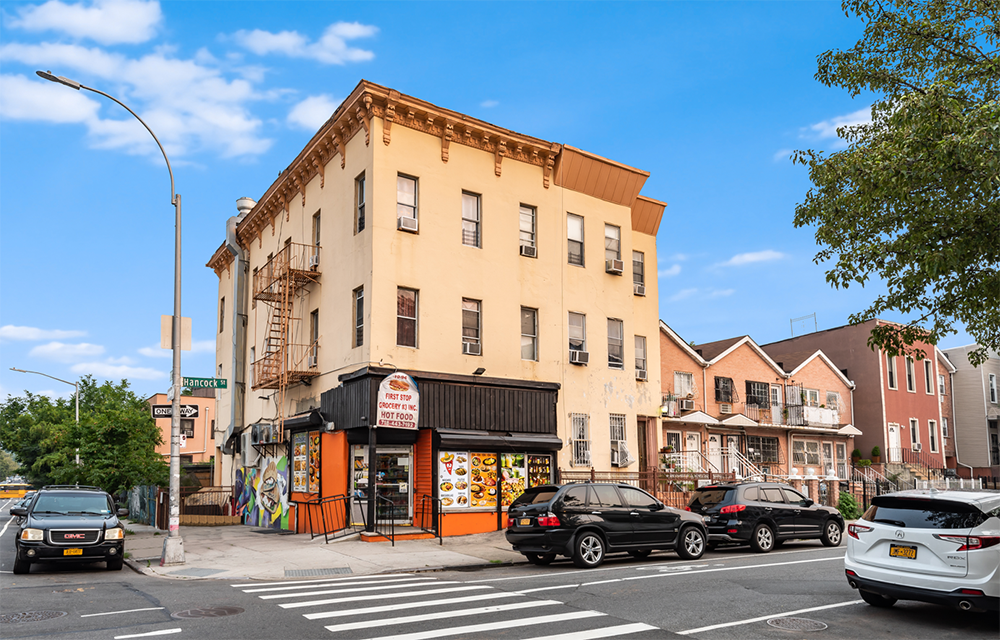
Investment Property Realty Group closes $1.75 million sale of 1094 Hancock Street in Brooklyn
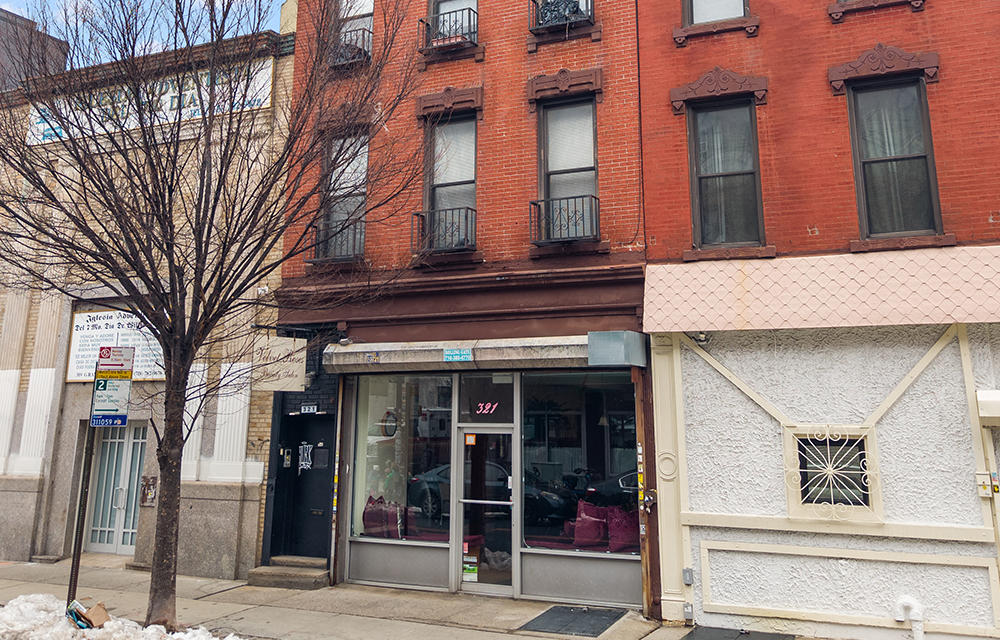
Brooklyn, NY Investment Property Realty Group (IPRG), a New York-based commercial investment firm, has closed the sale of 1094 Hancock St., a mixed-use building in the Bushwick section, for $1.75 million.


Quick Hits
 (2).gif)

Columns and Thought Leadership

New York’s streets are full again, and the retail numbers prove it - by Noam Aziz
Walk down any New York block this year and you can feel it. The sidewalks are crowded, the storefronts are lit, and the energy that defines this city is back at full volume.

Hunt commercial real estate question and answer: Fortune 500 wisdom - by David Hunt
Yes, there are lessons to be learned from the largest companies in America when comes to managing your real estate. But the decision to buy or lease real estate may not be one of

A guide to finding the right NYC property management company - by Sanjay Gandhi
Being a small to midsize landlord in NYC is an increasingly demanding endeavor. From navigating complex regulations, increased compliance demands to dealing with tenant issues and remediating violations. It is wise to enlist the assistance of a partner, a professional

Hunt CRE question and answer: Choosing a real estate agent - by David Hunt
First, we will only work with one agent exclusively. The primary reason is that we want that agent to legally represent our client’s interests. In New York State, a real estate agent has a fiduciary
.gif)