



News:
Brokerage
Posted: May 23, 2011
Joe Berko - Sourcing distressed assets, timing is everything
Over the past two years the U.S. economy, high unemployment rate, and curtailment of favorable financing opportunities have taken their toll on every sector of the real estate market. Millions of properties have either gone into foreclosure or are being sold below their original appraised value. Multifamily and commercial properties that were purchased at the height of the real estate bull market are now worth less than their mortgages and are being taken over by the banks that financed them. As a rule, banks like to lend money, not manage real estate, especially non-performing real estate, which means they want to get rid of these distressed assets as quickly as possible. Banks are holding billions of dollars worth of non-performing real estate assets which they need to dispose of to try and recoup their losses and resuscitate their ailing balance sheets.
In addition to the assets already foreclosed on by the banks, there are billions of dollars worth of distressed assets that are still in the possession of their owners. These owners have three choices: renegotiate their financing with their lender, sell the asset, or default and walk away from their equity. In certain situations the banks are negotiating with the property owners in the hope of waiting out the economic slump and getting their money back when values rebound. However, many banks either cannot or do not want to renegotiate their loans. In areas where property values have somewhat stabilized, albeit at a lower value than before, the owners can sell and still have some equity left after repaying their debt. Otherwise, the property reverts to the bank.
While the distressed asset situation is bad news for owners and banks, it presents potentially unprecedented opportunities for savvy investors to acquire valuable assets at below market prices. However, jumping into the market too early could be disastrous, but waiting too long could mean missed opportunities. The competition for distressed assets is fierce. Billions of dollars of cash is waiting on the sidelines for the right opportunity. Timing is everything.
Pricing is also critical. Most owners are reluctant to lower their prices to reflect the true value of their asset for fear of losing all of their equity. Therefore, many distressed assets placed on the market by their owners are overpriced. Even banks have been resistant to selling their distressed assets for too much below value out of a desire to protect their ailing balance sheets. Recognizing too many losses could put them out of business. Berko & Associates recently negotiated the acquisition of a portfolio of non-performing commercial assets where the appraised values placed the loans at nearly 100% value. A classic scenario in today's market, the lender agreed after a long negotiation process to discount the notes to a lesser LTV and move the portfolio off of his balance sheet.
So while distressed asset opportunities exist, they need to be properly identified, analyzed, and negotiated to assure that the purchaser is getting a deal worth their while. Investors are wise to use the services of an experienced advisor that understands the intricacies of distressed assets.
Berko & Associates has advised nationally chartered banks as well as private equity funds and individuals. Our company sources the assets, analyzes its risk and potential rewards, and negotiates and closes performing notes and distressed assets. Our personal relationships with property owners, banks, and lenders in N.Y.C. and throughout the nation provide us access to distressed asset opportunities well before they reach the market. This is where Berko & Associates' value added approach can present the greatest opportunity for our clients' success.
Contact us today and let us put our expertise and experience to work for you.
Joe Berko is president of Berko & Associates, New York, N.Y.
Tags:
Brokerage
MORE FROM Brokerage
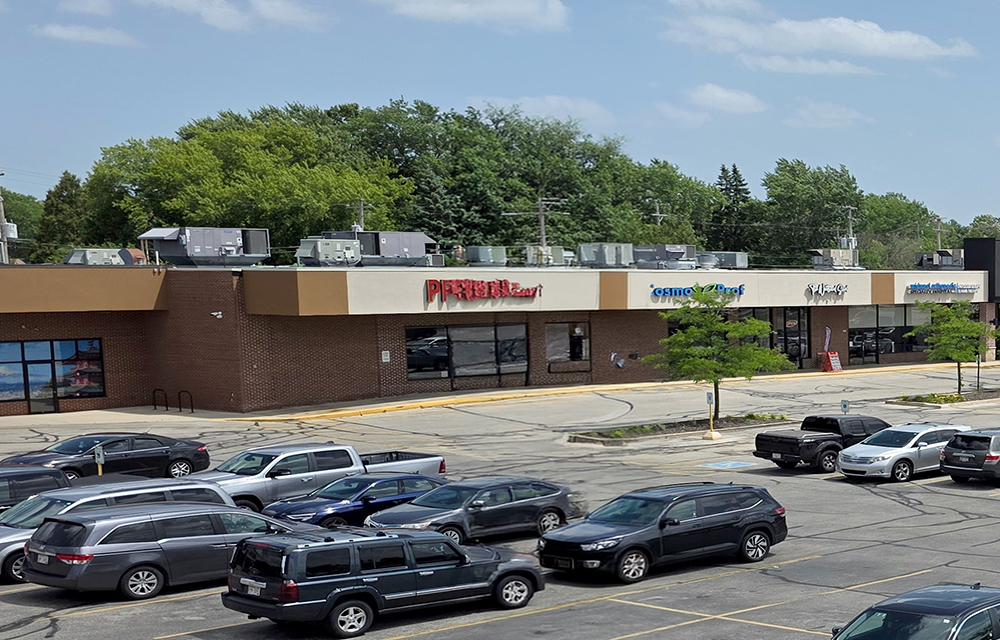
United Properties Corp. expands Wisconsin and Illinois retail presence adding 200,000 s/f
West Allis, WI United Properties Corp. completed two retail acquisitions totaling $27.4 million across Illinois and Wisconsin, adding 205,000 s/f of shopping center space to its portfolio





Quick Hits

Columns and Thought Leadership

New York’s streets are full again, and the retail numbers prove it - by Noam Aziz
Walk down any New York block this year and you can feel it. The sidewalks are crowded, the storefronts are lit, and the energy that defines this city is back at full volume.

Positive forecast for New York’s pro-housing push? - by Philip Butler
New York’s housing crisis remains a hot button topic despite growing consensus that varied and affordable housing is desperately needed statewide. Governor Hochul has recently introduced several initiatives to overcome N.Y.’s anti-housing

A guide to finding the right NYC property management company - by Sanjay Gandhi
Being a small to midsize landlord in NYC is an increasingly demanding endeavor. From navigating complex regulations, increased compliance demands to dealing with tenant issues and remediating violations. It is wise to enlist the assistance of a partner, a professional

Hunt commercial real estate question and answer: Fortune 500 wisdom - by David Hunt
Yes, there are lessons to be learned from the largest companies in America when comes to managing your real estate. But the decision to buy or lease real estate may not be one of
.gif)