



News:
Brokerage
Posted: January 31, 2023
JLL arranges 18,000 s/f lease for Incline Equity at 101 Park Ave.
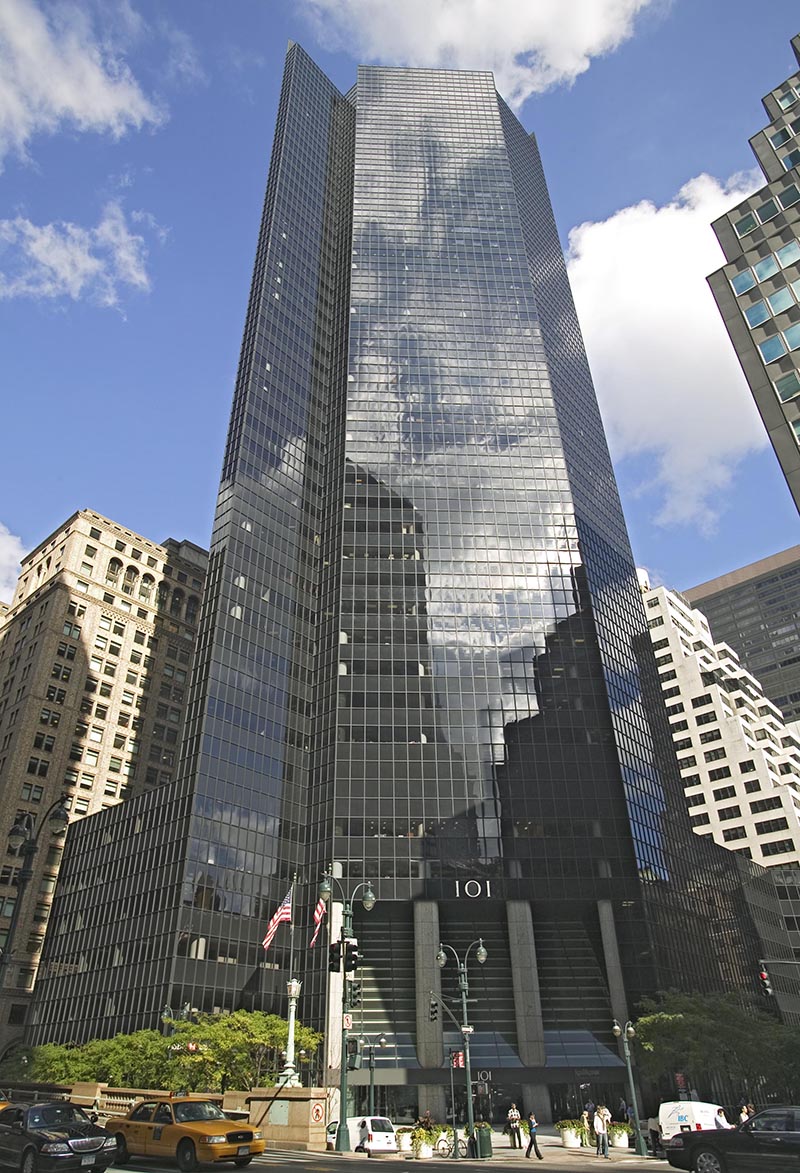 Manhattan, NY JLL has arranged an 18,000 s/f lease for growing private equity firm Incline Equity Partners at 101 Park Ave., the 49-story office tower located at the corner of 40th St. and Park Ave. in Midtown.
Incline Equity Partners will nearly double its footprint in a relocation from 505 Fifth Ave. to occupy a custom office space on the partial 46th floor of the property owned by H. J. Kalikow & Co.
Incline Equity Partners, headquartered in Pittsburgh, is a private equity firm investing in manufacturing, distribution and business services companies.
JLL vice chairman Alexander Chudnoff and associates Harrison Potter and Kate Roush represented Incline Equity Partners in its relocation and expansion. Cushman & Wakefield executive vice chairman John Cefaly and managing director Nicholas Dysenchuk represented ownership.
“We have been fortunate to partner with Incline as they first established their New York office at 100 Park Ave., then doubled in size to 505 Fifth Ave., and now to their new home in 101 Park Ave.,” said Chudnoff.
“It is rewarding to help them now secure extraordinary space in one of Midtown’s leading office towers for the next stage of their growth.”
Owned and operated by H. J. Kalikow since it was built in 1982, 101 Park Ave. is ranked among the city’s premier office buildings. Offering 1.3 million s/f of class A office space, as well as 30,000 s/f of retail space that includes a bank and full-service news stand, the building’s amenities feature Club 101, a dining club, business and entertainment venue, and Convene, a tech-enabled corporate event space. A five-story lobby entrance is manned by a full-time concierge and elevator attendants, and the property is outfitted with an emergency generator, 24 passenger elevators, a four-bay loading dock and parking garage.
Kathryn Kalikow of the Kalikow Organization said, “Incline Equity Partners is a growing company and we’re thrilled it has decided to call 101 Park Avenue home. It’s no surprise they’ve chosen this building. We’re in the heart of midtown, steps away from Grand Central Madison/East Side Access. We have an impressive tenant roster, and Incline Equity Partners will enjoy all of the superior services and amenities of our trophy property.”
Tags:
Brokerage
MORE FROM Brokerage
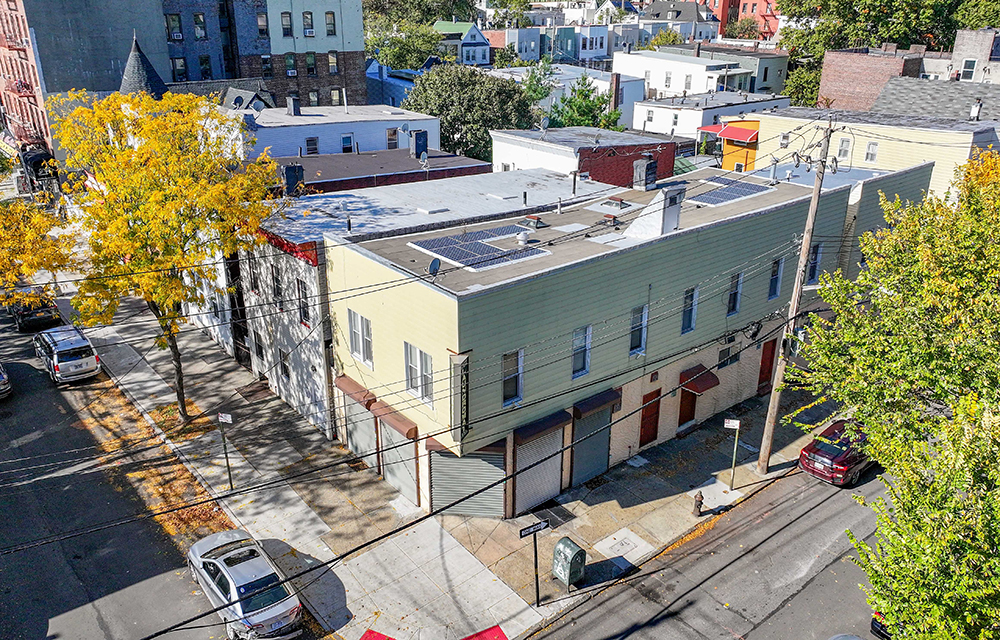
Investment Property Realty Group’s Team Friedman closes five Bronx sales totaling $5.3 million
Bronx, NY Investment Property Realty Group’s (IPRG) Team Friedman closed five sales totaling $5.3 million in the month of September. • 1707 Melville St. sold for $1.35 million. Located in Van Nest, the property



 (2).gif)

Columns and Thought Leadership

A guide to finding the right NYC property management company - by Sanjay Gandhi
Being a small to midsize landlord in NYC is an increasingly demanding endeavor. From navigating complex regulations, increased compliance demands to dealing with tenant issues and remediating violations. It is wise to enlist the assistance of a partner, a professional

New York’s streets are full again, and the retail numbers prove it - by Noam Aziz
Walk down any New York block this year and you can feel it. The sidewalks are crowded, the storefronts are lit, and the energy that defines this city is back at full volume.

Positive forecast for New York’s pro-housing push? - by Philip Butler
New York’s housing crisis remains a hot button topic despite growing consensus that varied and affordable housing is desperately needed statewide. Governor Hochul has recently introduced several initiatives to overcome N.Y.’s anti-housing

Hunt commercial real estate question and answer: Fortune 500 wisdom - by David Hunt
Yes, there are lessons to be learned from the largest companies in America when comes to managing your real estate. But the decision to buy or lease real estate may not be one of
.gif)
September Promotion
