



News:
Brokerage
Posted: August 24, 2021
Jack Resnick & Sons completes 26,568 s/f lease extension, expansion with ZMC Advisors; JLL assists
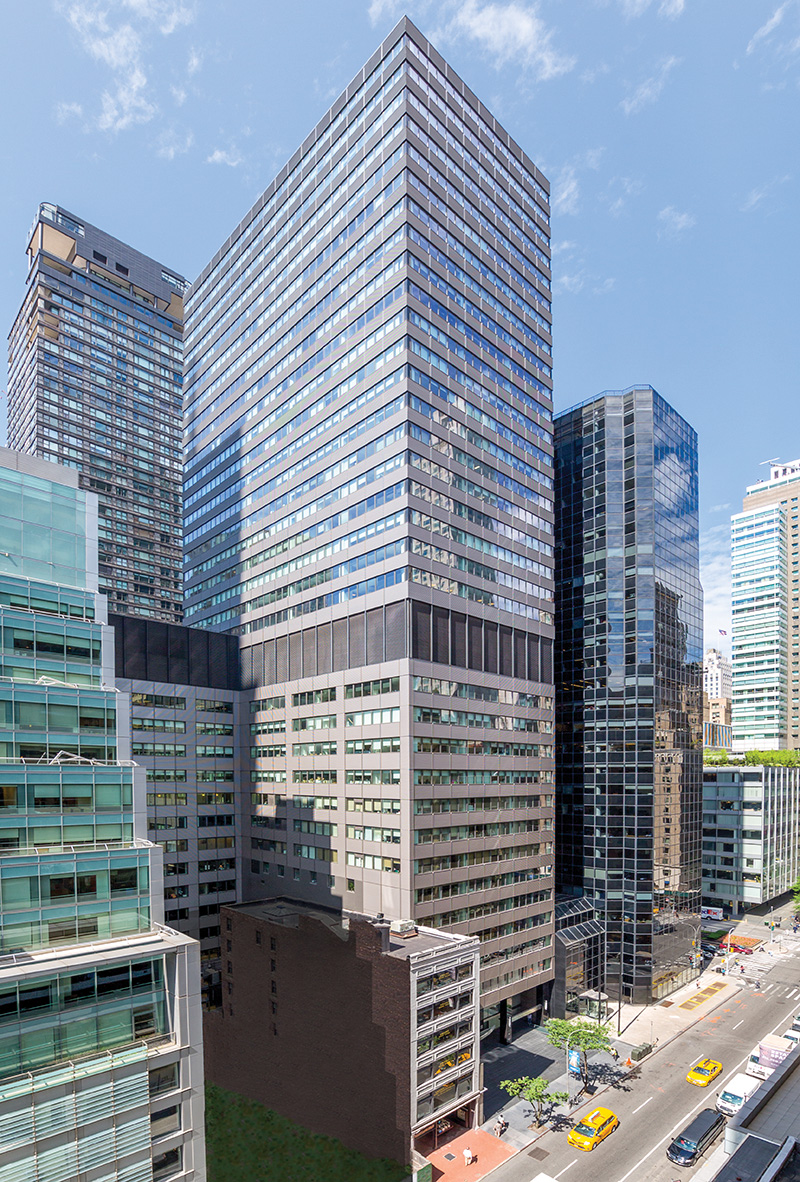 Manhattan, NY According to Jack Resnick & Sons, it has finalized a 10-year, 26,568 s/f lease extension and expansion with private equity firm ZMC Advisors at 110 East 59th St., its 37-story office tower in Midtown’s Plaza District.
Alexander Chudnoff and Dan Turkewitz of JLL represented ZMC. Jack Resnick & Sons was represented in-house by executive managing director Brett Greenberg and managing director Fran Delgorio.
A tenant at 110 East 59th St. since 2017, ZMC invests in media, communications and technology companies. As part of the transaction, ZMC renewed its current 13,284 s/f lease on the 24th floor and is expanding into a similar-sized space on the 25th floor, doubling its footprint in the building.
“We are thrilled that we could accommodate ZMC’s impressive growth on a second contiguous floor,” said Jonathan Resnick, president of Jack Resnick & Sons. “This expansion is yet another vote of confidence in our building and the ongoing allure of Midtown’s Plaza District.”
ZMC’s extension and expansion follows the successful completion of a multi-year capital improvement program at 110 East 59th St. The renovation and modernization initiative, valued at more than $40 million, included the replacement of the original brick façade with an MdeAS Architects- and Vidaris-designed high-performance, aluminum rain-screen system, new cooling towers, new energy-efficient natural gas boilers, an emergency generator and green roof areas to reduce stormwater runoff. The building also features a fully-modernized elevator system featuring touchless destination dispatching technology.
Originally constructed in 1969 by Jack Resnick & Sons, 110 East 59th St. is an office tower between Park and Lexington Aves. with entrances on East 58th and 59th Sts. and just steps away from some of the finest hotels, shops and restaurants in the Plaza District. The building is currently occupied by diverse roster of top-tier companies, including Cantor Fitzgerald, Estée Lauder, Northwell Health, and RP Management.
According to Greenberg, Resnick will be marketing four floors in the building, including the tower’s top three floors this upcoming fall. The floors, which are available beginning next summer, offer panoramic views west to Central Park as well as city and East River views.
Tags:
Brokerage
MORE FROM Brokerage
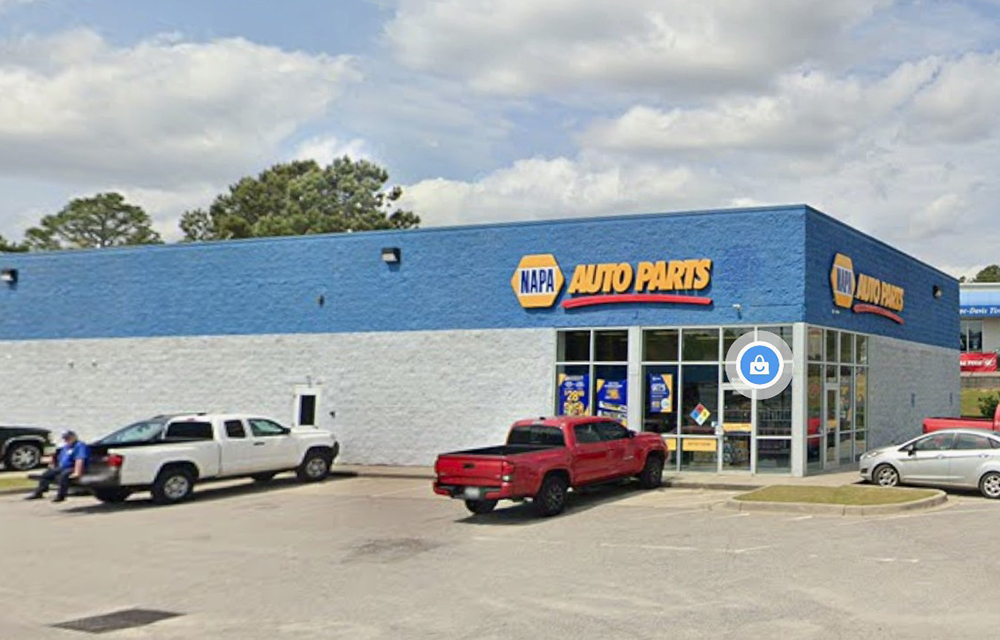
Marcus & Millichap brokers $15 million sale of multi-state NAPA Auto Parts portfolio
Palmetto, FL Marcus & Millichap brokered the sale of a nine-property NAPA Auto Parts portfolio for $15,025,104. The portfolio includes properties in Palmetto, FL.;




Quick Hits

Columns and Thought Leadership

New York’s streets are full again, and the retail numbers prove it - by Noam Aziz
Walk down any New York block this year and you can feel it. The sidewalks are crowded, the storefronts are lit, and the energy that defines this city is back at full volume.

A guide to finding the right NYC property management company - by Sanjay Gandhi
Being a small to midsize landlord in NYC is an increasingly demanding endeavor. From navigating complex regulations, increased compliance demands to dealing with tenant issues and remediating violations. It is wise to enlist the assistance of a partner, a professional

Positive forecast for New York’s pro-housing push? - by Philip Butler
New York’s housing crisis remains a hot button topic despite growing consensus that varied and affordable housing is desperately needed statewide. Governor Hochul has recently introduced several initiatives to overcome N.Y.’s anti-housing

Hunt commercial real estate question and answer: Fortune 500 wisdom - by David Hunt
Yes, there are lessons to be learned from the largest companies in America when comes to managing your real estate. But the decision to buy or lease real estate may not be one of
.gif)