



News:
Brokerage
Posted: July 29, 2013
Intensity for mid-market investment property continues through 1H 2013
The competition for investment property in the mid-market price range ($50 million and under) remains intense, especially for assets in prime locations with future growth potential. Following the economic issues that plagued the real estate markets towards the end of last decade, many owners subsequently stabilized their portfolios by taking advantage of historically low interest rates through refinancing. A significant amount of new capital has entered the New York market, resulting in a tremendous amount of equity chasing very few assets available in this market class.
As an example, I was recently marketing a 20-unit apartment building in the West 80's just off of Columbus Avenue. The investor demand for this property was intense, even though it was being offered at a sub 3.5% capitalization rate (which is where it ultimately traded). The purchaser realized that despite the relatively low initial yield, the inherent upside through the rent stabilized tenants combined with its superior location and the scarcity of similar product in the market made it a worthwhile long-term investment. The seller, a 40-plus year owner, came to recognize the favorable market conditions and ultimately profited several million dollars more than they would have when they were initially considering a sale several years ago.
It's evident that the position of discretionary sellers has strengthened considerably at this time. However, the competition to place equity along with the resiliency of the New York City market has continued to support this compressed cap rate environment. With interest rates expected to hold relatively steady in the near future, we expect activity to continue to be robust through at least the end of 2013.
Matthew Garcia is an associate at Besen & Associates Inc., New York, NY.
Tags:
Brokerage
MORE FROM Brokerage
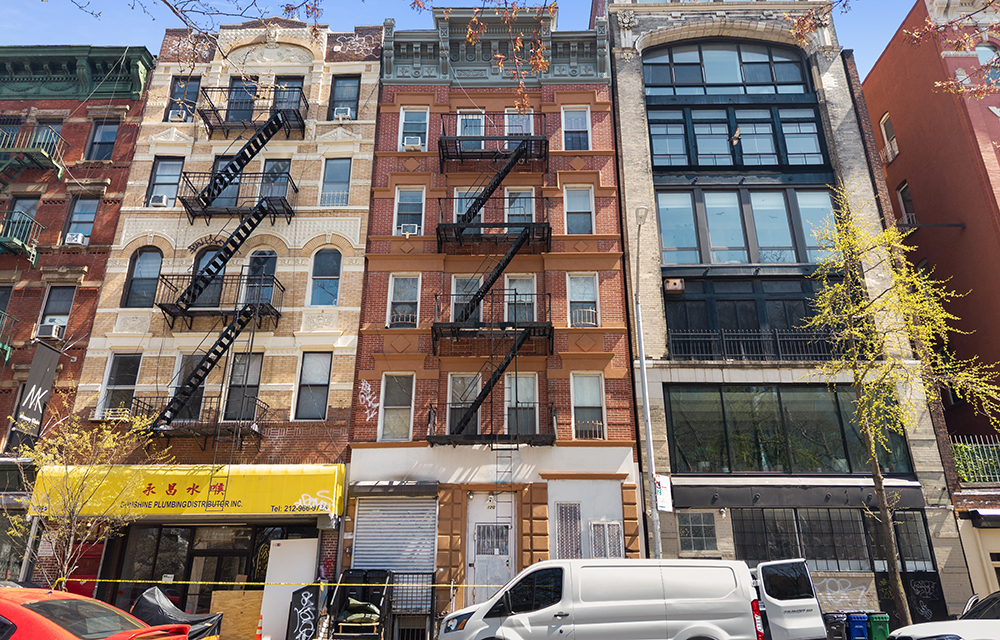
Investment Property Realty Group sells 120 Forsyth St. for $1.35 million
Manhattan, NY Investment Property Realty Group (IPRG) closed the sale of 120 Forsyth St., a mixed-use building located in the Lower East Side section of the city, for $1.35 million.



Quick Hits

Columns and Thought Leadership

A guide to finding the right NYC property management company - by Sanjay Gandhi
Being a small to midsize landlord in NYC is an increasingly demanding endeavor. From navigating complex regulations, increased compliance demands to dealing with tenant issues and remediating violations. It is wise to enlist the assistance of a partner, a professional

New York’s streets are full again, and the retail numbers prove it - by Noam Aziz
Walk down any New York block this year and you can feel it. The sidewalks are crowded, the storefronts are lit, and the energy that defines this city is back at full volume.

Positive forecast for New York’s pro-housing push? - by Philip Butler
New York’s housing crisis remains a hot button topic despite growing consensus that varied and affordable housing is desperately needed statewide. Governor Hochul has recently introduced several initiatives to overcome N.Y.’s anti-housing

Hunt commercial real estate question and answer: Fortune 500 wisdom - by David Hunt
Yes, there are lessons to be learned from the largest companies in America when comes to managing your real estate. But the decision to buy or lease real estate may not be one of
.gif)