



News:
Brokerage
Posted: June 9, 2014
de Blasio opens newly rebuilt Hamilton Avenue Asphalt Plant; $25 million renovation to increase agency's asphalt production
Coming on the heels of an unprecedented road maintenance campaign that patched a record 338,000 potholes and repaved 173 miles of streets, mayor Bill de Blasio, Transportation commissioner Polly Trottenberg, and Department of Design and Construction commissioner Feniosky Peña-Mora revealed the reopening of the completely rebuilt Hamilton Avenue asphalt plant. The state-of-the-art DOT facility is a key link in the agency's comprehensive maintenance plan to address potholes and resurface 1,000 lane miles of roadway this year.
de Blasio's executive budget makes critical investments in road maintenance, including $226 million in capital to repave 1,000 lane miles of streets and repair more than 400,000 potholes, as well as $670 million for complete street reconstruction in communities ranging from Downtown Brooklyn to those affected by Hurricane Sandy. The budget also invests $52 million in safety upgrades as part of the mayor's Vision Zero initiative, including new street markings, speed humps and neighborhood slow-speed zones. The executive budget makes smart investments to protect our infrastructure, moving forward key priorities and needs while keeping out-year deficits well below historical levels and debt service low.
The opening of the Hamilton Avenue plant follows a year-long, $25 million renovation that will significantly increase the agency's asphalt production and recycling capabilities, saving taxpayer funds and cutting emissions, while also bolstering the city-wide response to this record-setting winter and the agency's extensive resurfacing plan to stop potholes before they form. The project was a collaboration among the DOT, DDC, construction manager HAKS, and RBA, Stansteel and Tully Construction.
The reconstruction came in under budget and made use an innovative design-build contract bid process, shielding the city from any potential engineering or construction risks, and the American Council of Engineering Companies recently granted it a Diamond Award for Engineering Excellence.
The project's benefits include:
* Increased production: The agency's asphalt production capacity will be increased by 30 percent to as many as 450 tons per hour, with plans to produce one million tons this year for use in resurfacing 1,000 lane miles.
* Cost savings: Asphalt is the most-recycled material on the planet and the top-to-bottom redesign increases the agency's recycling capability by 10 percent, or 50,000 tons, cutting costs by $5 million each year, and paying for itself in five years.
* Emissions reductions: By further reducing the transport of asphalt and raw materials, the agency is reducing local truck travel by 530,000 miles each year, and eliminating the need for 600,000 barrels of crude oil. And by increasing DOT's recycling capabilities, the plant will further reduce the purchase for raw materials equivalent to another 1.6 million barrels of oil.
* Technological enhancements: The facility allows DOT to ramp up the production of its industry-leading road surface material mixture, allowing for an extended paving season and work in temperatures as low as 15 degrees. Related technological improvements in the plant's warm-weather asphalt mix will allow for a 50-degree lowering of the material's minimum workable temperature, further reducing emissions.
The Hamilton facility, originally built in 1979, is located on a site adjacent to the Gowanus Canal that has been used for city roadway maintenance needs as early as 1911. It is one of two city-owned plants, along with the Harper Street yard in Corona, Queens, and with the rebuild is once again the largest asphalt production facility in the New York City area, run by 12 employees per shift.
The announcement follows the DOT's previously announced comprehensive plan to combat the effects of the sixth-snowiest winter on record. Those efforts include weekly pothole blitzes, targeted repaving efforts on areas in need of repair and improvements to materials, operational efficiency, and greater inter-agency coordination.
Tags:
Brokerage
MORE FROM Brokerage
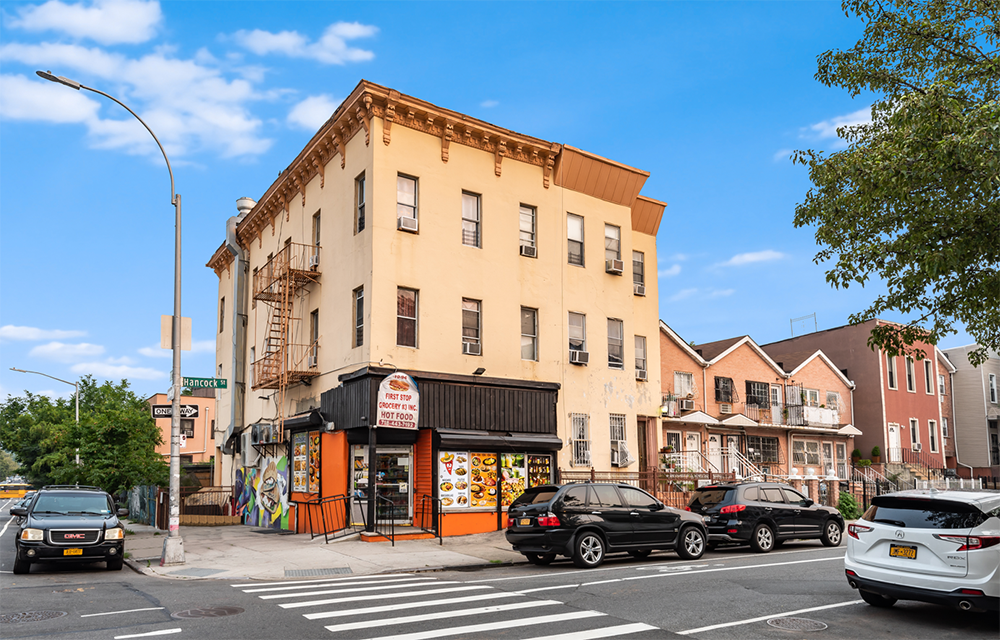
Investment Property Realty Group closes $1.75 million sale of 1094 Hancock Street in Brooklyn
Brooklyn, NY Investment Property Realty Group (IPRG), a New York-based commercial investment firm, has closed the sale of 1094 Hancock St., a mixed-use building in the Bushwick section, for $1.75 million.



 (2).gif)

Columns and Thought Leadership

Hunt CRE question and answer: Choosing a real estate agent - by David Hunt
First, we will only work with one agent exclusively. The primary reason is that we want that agent to legally represent our client’s interests. In New York State, a real estate agent has a fiduciary

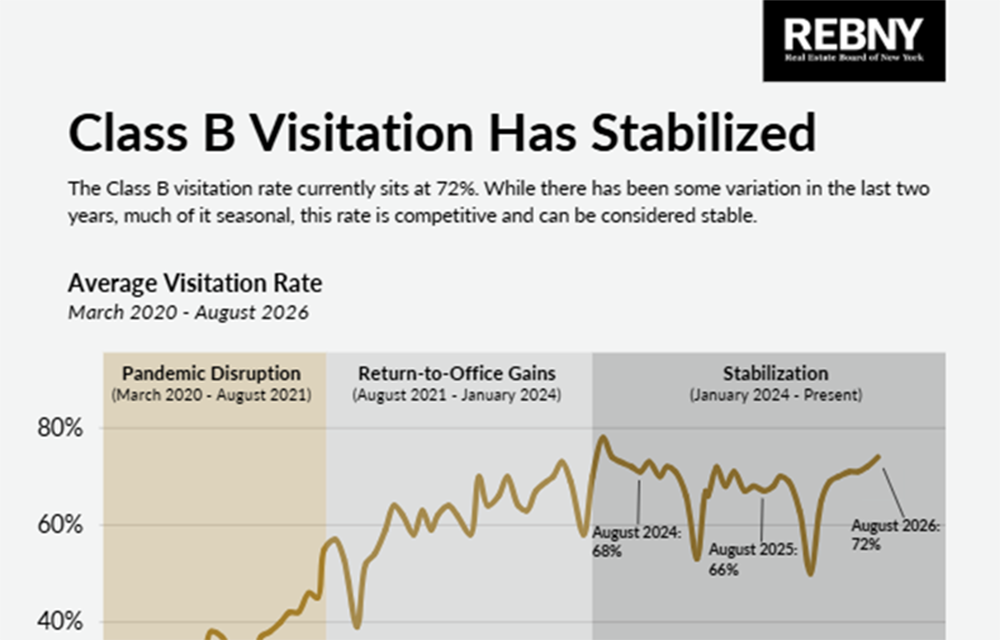
New York’s streets are full again, and the retail numbers prove it - by Noam Aziz
Walk down any New York block this year and you can feel it. The sidewalks are crowded, the storefronts are lit, and the energy that defines this city is back at full volume.

A guide to finding the right NYC property management company - by Sanjay Gandhi
Being a small to midsize landlord in NYC is an increasingly demanding endeavor. From navigating complex regulations, increased compliance demands to dealing with tenant issues and remediating violations. It is wise to enlist the assistance of a partner, a professional

Hunt commercial real estate question and answer: Fortune 500 wisdom - by David Hunt
Yes, there are lessons to be learned from the largest companies in America when comes to managing your real estate. But the decision to buy or lease real estate may not be one of
.gif)