



News:
Brokerage
Posted: May 12, 2014
Hendey of Houlihan Parnes places $1.8 million loan at 3.33% fixed on non-credit retail
Rich Hendey of Houlihan Parnes Realtors, LLC has arranged a $1.8 million first mortgage on the 9,000 s/f retail property located at 58 Garth Rd. The non-recourse loan is fixed for five years at 3.33% interest with a 30-year amortization schedule and was done at par. The borrower has a 5-year option to extend and a right to prepay the loan on a declining scale throughout the term. The one-story building is 100% occupied with nine tenants made up of a mix of non-credit local retailers and restaurants. Recent additions include Java Crave Café, a coffee emporium, and Petra Restaurant which is sure to become a popular destination in this bustling, upscale Westchester village.
The loan was placed with a regional bank and the borrower was represented by Elizabeth Smith of the firm Goldberg Weprin Finkel Goldstein, LLP.
Tags:
Brokerage
MORE FROM Brokerage
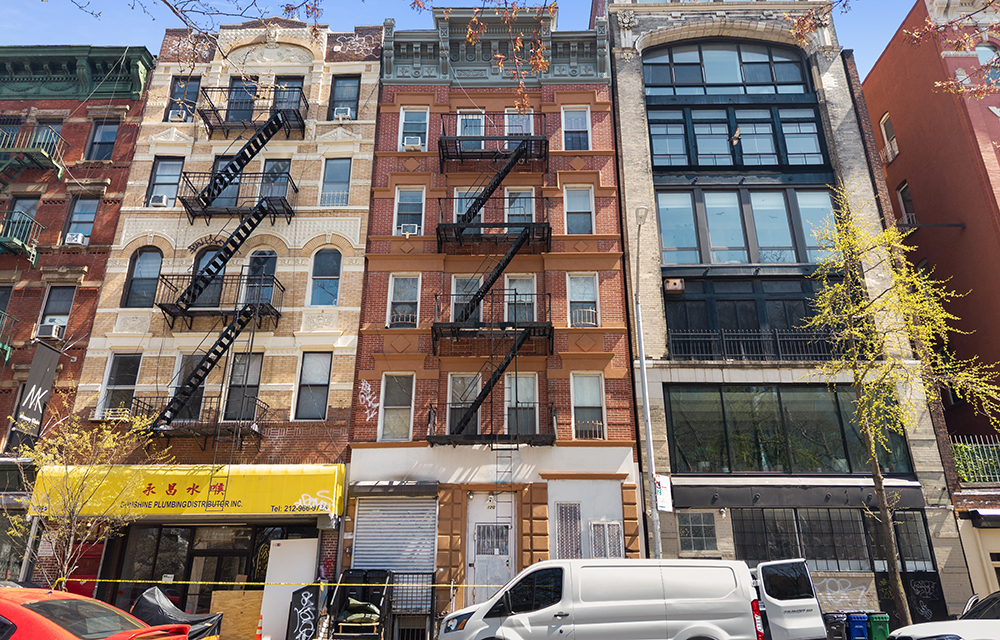
Investment Property Realty Group sells 120 Forsyth St. for $1.35 million
Manhattan, NY Investment Property Realty Group (IPRG) closed the sale of 120 Forsyth St., a mixed-use building located in the Lower East Side section of the city, for $1.35 million.



Quick Hits
 (2).gif)

Columns and Thought Leadership

A guide to finding the right NYC property management company - by Sanjay Gandhi
Being a small to midsize landlord in NYC is an increasingly demanding endeavor. From navigating complex regulations, increased compliance demands to dealing with tenant issues and remediating violations. It is wise to enlist the assistance of a partner, a professional

Hunt commercial real estate question and answer: Fortune 500 wisdom - by David Hunt
Yes, there are lessons to be learned from the largest companies in America when comes to managing your real estate. But the decision to buy or lease real estate may not be one of

New York’s streets are full again, and the retail numbers prove it - by Noam Aziz
Walk down any New York block this year and you can feel it. The sidewalks are crowded, the storefronts are lit, and the energy that defines this city is back at full volume.

Positive forecast for New York’s pro-housing push? - by Philip Butler
New York’s housing crisis remains a hot button topic despite growing consensus that varied and affordable housing is desperately needed statewide. Governor Hochul has recently introduced several initiatives to overcome N.Y.’s anti-housing
.gif)