



News:
Brokerage
Posted: October 18, 2016
Hempstead IDA approves economic benefits package
Hempstead, NY According to town supervisor Anthony Santino, the town’s Industrial Development Agency (IDA) has approved a package of economic benefits that will allow a Queens developer to buy and renovate a vacant Garden City office building and then lease space to startup businesses.
The developer, the International Society of Business Leaders, (ISOBL) plans to spend $1.5 million to turn part of the 19,000 s/f, 3-story building at 1051 Franklin Ave., Garden City, into a small business incubator. ISOBL plans to the occupy the complete third floor.
ISOBL is also considering expanding into the first and second floor in the future, but currently plans to use the space as an incubator for fledgling companies. The developer anticipates as many as 55 people will be employed by businesses operating in the building within two years.
“This project will bring genuine economic benefits to the town of Hempstead and enhanced vitality to the already vibrant Garden City business community,” said Santino.
The economic benefits package, approved by the IDA board at its August 24th meeting, includes property tax abatements and relief from the mortgage recording tax and sales tax on materials used for the renovation.
IDA chairman Ted Sasso said, “We are happy to assist this project which will bring new life to a vacant 3-story office building in the main business corridor of Garden City and, at the same time, bring to the town 50 new employees from Long Island City as well as providing a place for new small businesses, which provide the backbone of the town’s economy.”
In 2015, projects undertaken by the Hempstead IDA resulted in new investments totaling $225 million in the town.
The town of Hempstead IDA is a public benefit agency with the power to help qualified businesses relocate, expand and build in the town. The town of Hempstead IDA is authorized by New York state to promote economic development with financial assistance and tax relief. The town is committed to responsible development, emphasizing its stable tax base, highly educated work force and access to major airports, New York City and world markets. IDA assistance has resulted in more than $2 billion in project financing, and has led to the creation or retention of 11,000 permanent jobs to benefit the town’s economy. It currently oversees 83 projects, including some of Long Island’s most prominent office buildings, assisted living facilities and residential rental complexes.
Tags:
Brokerage
MORE FROM Brokerage
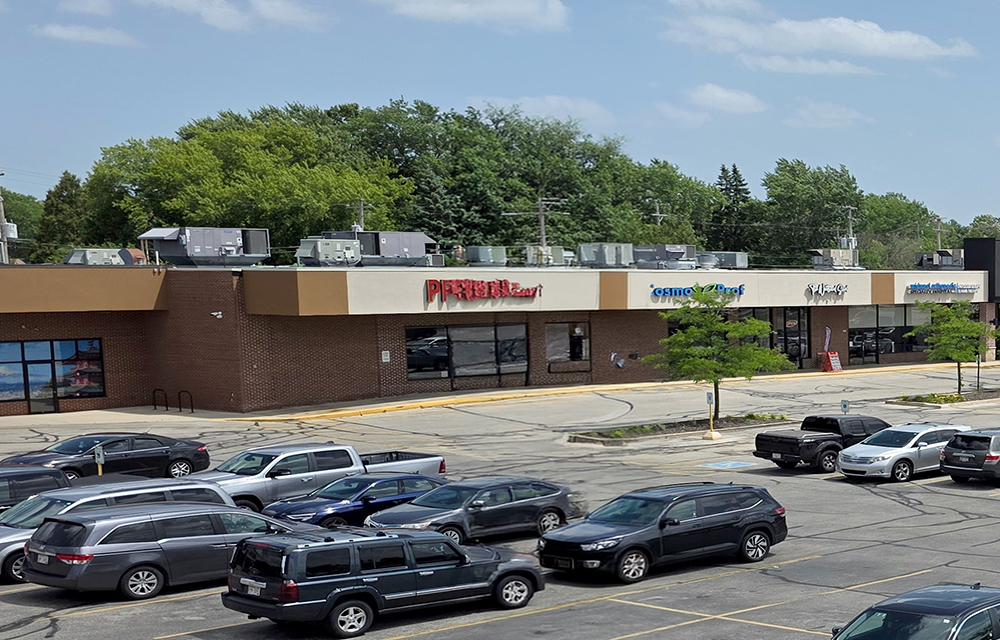
United Properties Corp. expands Wisconsin and Illinois retail presence adding 200,000 s/f
West Allis, WI United Properties Corp. completed two retail acquisitions totaling $27.4 million across Illinois and Wisconsin, adding 205,000 s/f of shopping center space to its portfolio



Quick Hits
 (2).gif)

Columns and Thought Leadership

New York’s streets are full again, and the retail numbers prove it - by Noam Aziz
Walk down any New York block this year and you can feel it. The sidewalks are crowded, the storefronts are lit, and the energy that defines this city is back at full volume.

Hunt commercial real estate question and answer: Fortune 500 wisdom - by David Hunt
Yes, there are lessons to be learned from the largest companies in America when comes to managing your real estate. But the decision to buy or lease real estate may not be one of

Positive forecast for New York’s pro-housing push? - by Philip Butler
New York’s housing crisis remains a hot button topic despite growing consensus that varied and affordable housing is desperately needed statewide. Governor Hochul has recently introduced several initiatives to overcome N.Y.’s anti-housing

A guide to finding the right NYC property management company - by Sanjay Gandhi
Being a small to midsize landlord in NYC is an increasingly demanding endeavor. From navigating complex regulations, increased compliance demands to dealing with tenant issues and remediating violations. It is wise to enlist the assistance of a partner, a professional
.gif)