



News:
Brokerage
Posted: October 27, 2015
Halloween brewings: NRF reports $6.9 billion will be spent - By Faith Hope Consolo
 Faith Hope Consolo, Douglas Elliman
There’s no trick about it. With the National Retail Federation (NRF) reporting $6.9 billion will be spent by 157 million-plus people across the nation on their Halloween celebrations this year, the holiday is a sweet treat for retailers. That breaks down to some $74 per average person on decorations, candy, costumes and other goods.
While some shoppers see September as the start of Halloween shopping, most consumers wait until early October before spending on their ghoulish goods.
In all, 68 million Americans will dress up in homemade and store bought costumes for Halloween this year, reports the NRF, making retailers with costumes at the ready a sure draw, but not only for kids. With about one-third of adult consumers outfitting themselves for Halloween parties, especially the millennial crowd for whom nearly half plan on having or attending a Halloween celebration, money spent on men’s and women’s costumes is where most of the dress up dollars will go for this favorite fright night, at $1.2 billion through online sellers, costume stores and general retailers. Then again, the nation’s 20 million pet owners have no intention of letting Buster, Princess or Duke slip by unnoticed during trick or treats. This year they’ll invest $350 million in pet costumes, according to the NRF.
Of course Halloween isn’t only about putting together that ghoul, celebrity or career-inspired costume. Sweets sellers and confectioners know candy is what fills those Halloween treat bags, with consumers forking over more than $2 billion in candy bars, suckers, gums and other sweet treats.
No celebration would be complete without festive decorations, including Halloween. Almost 45% of those celebrating Halloween, the NRF reports, intend to dress their homes and yards in seasonal décor, including pumpkins and jack-o-lanterns, skeletons, witches, ghouls, lights and other scare fare.
Nothing puts more scare in this spookiest of holidays like an eerie creep through one of the country’s more than 2,000 admission-required haunted houses – about 20 in the New York/New Jersey region – per the Haunted House Association. Other Halloween attractions, such as seasonal amusement parks, family centers and charity events with pick-your-own pumpkin patches, hayrides, face painting and other autumn amusements, add another 1,500 offerings to the mix for an estimated total contribution of $1 billion from the Halloween Attraction Industry.
Whether your Halloween favors fearsome haunts, cute costumes or ghoulish getups, here’s to a festive holiday where the treats top the tricks.
Faith Hope Consolo is the chairman of Douglas Elliman’s Retail Leasing, Marketing and Sales Division, New York, N.Y.
Tags:
Brokerage
MORE FROM Brokerage
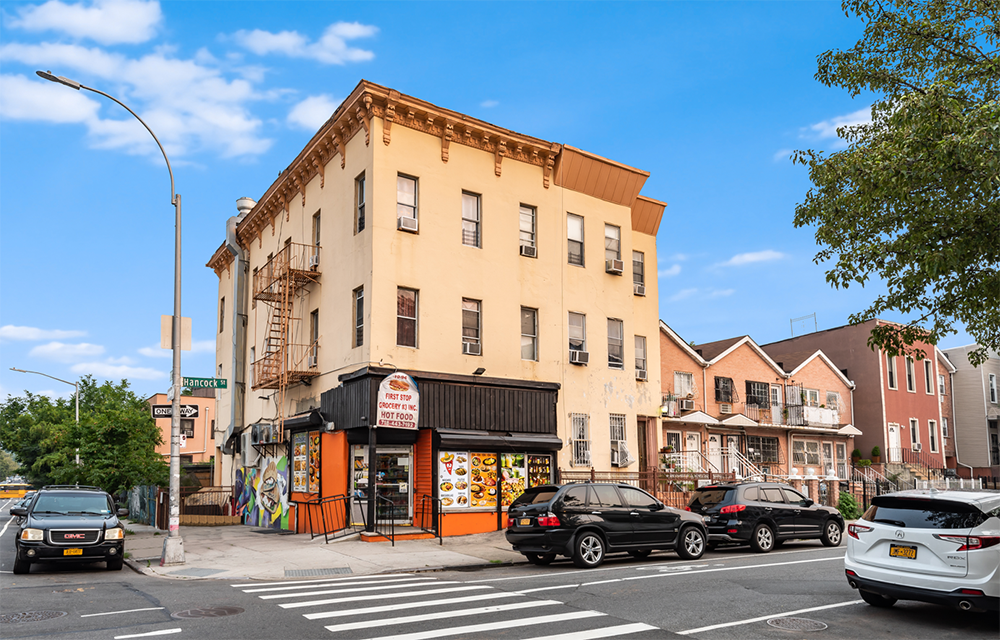
Investment Property Realty Group closes $1.75 million sale of 1094 Hancock Street in Brooklyn
Brooklyn, NY Investment Property Realty Group (IPRG), a New York-based commercial investment firm, has closed the sale of 1094 Hancock St., a mixed-use building in the Bushwick section, for $1.75 million.



Columns and Thought Leadership

Hunt commercial real estate question and answer: Fortune 500 wisdom - by David Hunt
Yes, there are lessons to be learned from the largest companies in America when comes to managing your real estate. But the decision to buy or lease real estate may not be one of

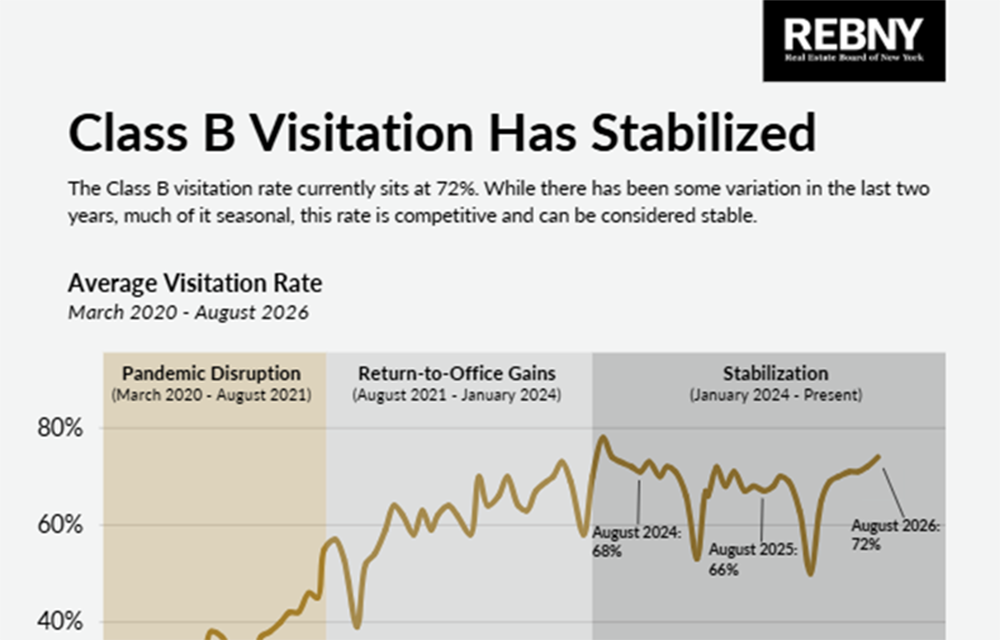
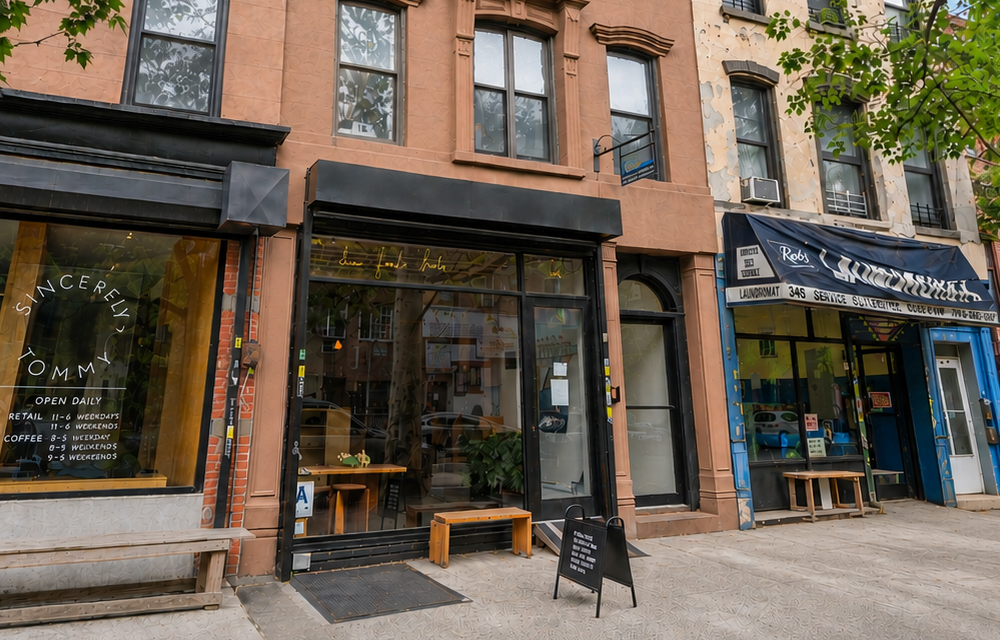
New York’s streets are full again, and the retail numbers prove it - by Noam Aziz
Walk down any New York block this year and you can feel it. The sidewalks are crowded, the storefronts are lit, and the energy that defines this city is back at full volume.

A guide to finding the right NYC property management company - by Sanjay Gandhi
Being a small to midsize landlord in NYC is an increasingly demanding endeavor. From navigating complex regulations, increased compliance demands to dealing with tenant issues and remediating violations. It is wise to enlist the assistance of a partner, a professional

Hunt CRE question and answer: Choosing a real estate agent - by David Hunt
First, we will only work with one agent exclusively. The primary reason is that we want that agent to legally represent our client’s interests. In New York State, a real estate agent has a fiduciary
.gif)