



News:
Brokerage
Posted: July 21, 2008
Gov. Paterson unveils $137m for 6,415 NYS affordable housing units
Governor David Paterson recently unveiled $137 million in funding awarded by the NYS Division of Housing and Community Renewal (DHCR) that will help build and preserve 6,415 units of affordable housing-nearly twice the number of units created and preserved by DHCR last year.
"These awards will help developers leverage an additional $340 million in funding from federal, local and private sources, maximizing the positive impact of our investment," said Governor Paterson. "The importance of affordable housing cannot be overstated. It encourages businesses to invest in our state and create jobs. It helps to revitalize communities and downtown neighborhoods and provides a stable and safe environment for working families, senior citizens and people living with disabilities."
DHCR commissioner Deborah VanAmerongen said: "The dramatic increase in the number of affordable units created and preserved is due to the commitment of governor Paterson and the State Legislature, and the unprecedented increase in funding they entrusted to DHCR in the 2008-09 state budget."
The new budget increased funding for DHCR programs by about $200 million over traditional levels. VanAmerongen said she plans to conduct a second round of funding awards later this year.
The awards include grants, loans and tax credits, and fall into two general categories: Capital projects, which primarily involve new construction and major rehabilitation, and Local Program Administrator (LPA) awards, which are used to fund important DHCR programs that help build, modify and rehabilitate housing for low income families, senior citizens and people with disabilities. This year's awards included:
Capital Projects: $87 million which will leverage $340 million in additional equity and produce 1,951 units of affordable housing. All the units created will meet high energy efficiency standards and provide an unprecedented level of accessibility for people with disabilities.
The HOME Program: $29.6 million to build or rehabilitate 1,481units. The HOME program partners with local governments, private developers and community-based non-profit housing organizations to acquire, rehabilitate or construct housing, or to provide assistance to low-income home-buyers and renters.
ACCESS to Home: $14 million to make accessibility modifications to 917 units. ACCESS to Home provides financial assistance to property owners to make dwelling units accessible for low and moderate income frail elderly and persons with disabilities. These modifications allow individuals to safely and comfortably continue to live in their homes and avoid institutional care.
RESTORE: $6.3 million to make emergency repairs to 2,066 units. RESTORE (Residential Emergency Services to Offer Repairs to the Elderly) helps low-income elderly homeowners pay for emergency repairs to eliminate hazardous conditions in their homes.
In all, capital awards will help build or preserve 40 affordable housing developments in 24 counties in every region of the state.
Tags:
Brokerage
MORE FROM Brokerage
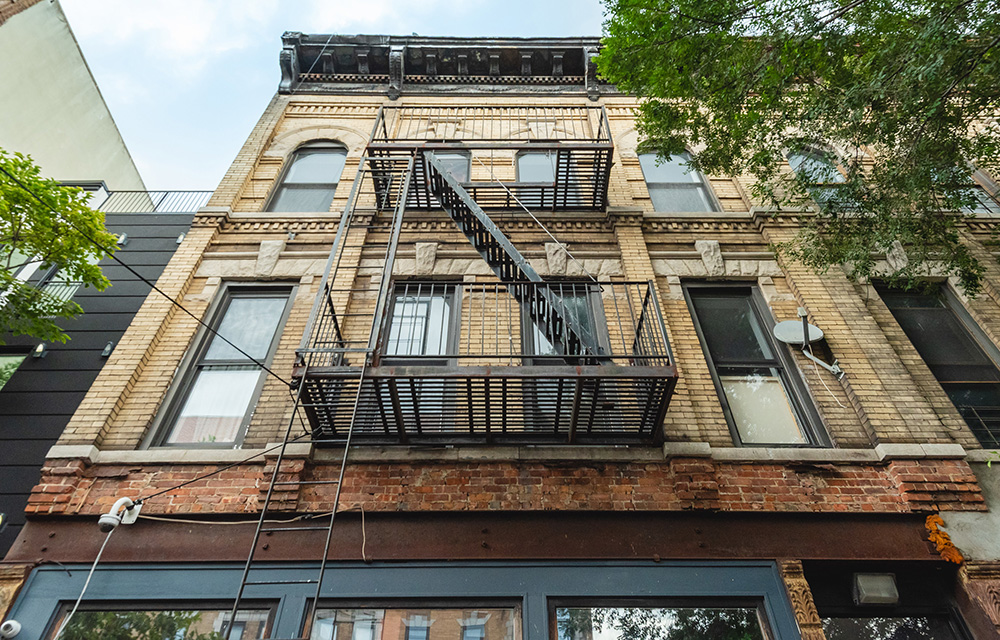
Marcus & Millichap brokers $2.8 million sale of free-market mixed-use property in Brooklyn
Brooklyn, NY Marcus & Millichap brokered the sale of 733 Dekalb Ave., a fully free-market multifamily and retail property in the Bed-Stuy neighborhood. The asset sold for $2.8 million.





 (2).gif)

Columns and Thought Leadership

New York’s streets are full again, and the retail numbers prove it - by Noam Aziz
Walk down any New York block this year and you can feel it. The sidewalks are crowded, the storefronts are lit, and the energy that defines this city is back at full volume.

Hunt commercial real estate question and answer: Fortune 500 wisdom - by David Hunt
Yes, there are lessons to be learned from the largest companies in America when comes to managing your real estate. But the decision to buy or lease real estate may not be one of

A guide to finding the right NYC property management company - by Sanjay Gandhi
Being a small to midsize landlord in NYC is an increasingly demanding endeavor. From navigating complex regulations, increased compliance demands to dealing with tenant issues and remediating violations. It is wise to enlist the assistance of a partner, a professional

Positive forecast for New York’s pro-housing push? - by Philip Butler
New York’s housing crisis remains a hot button topic despite growing consensus that varied and affordable housing is desperately needed statewide. Governor Hochul has recently introduced several initiatives to overcome N.Y.’s anti-housing
.gif)
September Promotion
