



News:
Brokerage
Posted: November 24, 2014
GCP Capital Group arranges 13 mortgages totaling $186.156 million
GCP Capital Group LLC has arranged 13 mortgages totaling $186.156 million. The deals include the following:
* $114 million for a 23-story building containing 351 apartments and 8,450 s/f of professional space, located on the Upper West Side. Alan Perlmutter, managing member of GCP, arranged the financing.
* $16.5 million for a 20-story apartment building containing 160 apartments, located in the Soundview-Bruckner section of the Bronx. Paul Greenbaum, managing member of GCP, arranged the financing.
* $12.7 million combined financing for two four-story apartment buildings containing a total of 20 units and two stores, located throughout Manhattan. Matthew Classi, managing member of GCP, arranged the financing.
* $9.75 million for a five-story apartment building containing 49 apartments and 6,800 s/f of commercial space, located on West 207th St. in Manhattan. Adam Brostovski, principal of GCP, arranged the financing.
* $8.2 million for a six-story apartment building containing 28 apartments, located on West 93rd St. in Manhattan. Classi arranged the financing.
* $6 million for a two-story commercial building comprised of 23,850 s/f, located on Flatlands Ave. in Brooklyn. Greenbaum arranged the financing.
* $5.35 million for a six-story apartment building containing 61 units and 5,000 s/f of commercial space, located on Jerome Ave. in the Bronx. Brostovski arranged the financing.
* $4.388 million for a six-story apartment building containing 39 units and 2,240 s/f of commercial space, located on Anthony Ave. in the Bronx. Brostovski arranged the financing.
* $3.5 million for two four-story commercial buildings comprised of 29,600 total s/f, located on East 149th St. in the Bronx. Brostovski arranged the financing.
* $2 million for a four-story apartment building containing 38 apartments, located in Staten Island. Greenbaum arranged the financing.
* $1.368 million for five contiguous apartment buildings containing a total of 20 apartments, located on Cranford Ave. in the Bronx. Jack Fried, senior associate of GCP, arranged the financing.
* $1.2 million for a three-story apartment building containing six apartments, located on Hart St. in Brooklyn. Brostovski arranged the financing.
* $1.2 million for two buildings containing a total of 13 apartments, located in Staten Island. Michael Charnowitz, senior associate of GCP, arranged the financing.
Tags:
Brokerage
MORE FROM Brokerage
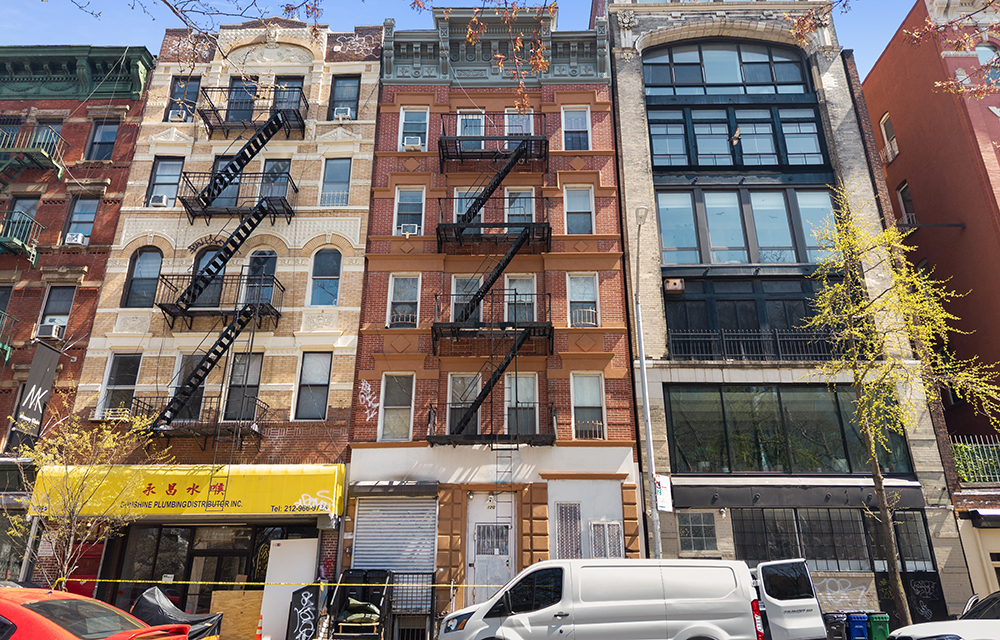
Investment Property Realty Group sells 120 Forsyth St. for $1.35 million
Manhattan, NY Investment Property Realty Group (IPRG) closed the sale of 120 Forsyth St., a mixed-use building located in the Lower East Side section of the city, for $1.35 million.



Quick Hits

Columns and Thought Leadership

A guide to finding the right NYC property management company - by Sanjay Gandhi
Being a small to midsize landlord in NYC is an increasingly demanding endeavor. From navigating complex regulations, increased compliance demands to dealing with tenant issues and remediating violations. It is wise to enlist the assistance of a partner, a professional

New York’s streets are full again, and the retail numbers prove it - by Noam Aziz
Walk down any New York block this year and you can feel it. The sidewalks are crowded, the storefronts are lit, and the energy that defines this city is back at full volume.

Positive forecast for New York’s pro-housing push? - by Philip Butler
New York’s housing crisis remains a hot button topic despite growing consensus that varied and affordable housing is desperately needed statewide. Governor Hochul has recently introduced several initiatives to overcome N.Y.’s anti-housing

Hunt commercial real estate question and answer: Fortune 500 wisdom - by David Hunt
Yes, there are lessons to be learned from the largest companies in America when comes to managing your real estate. But the decision to buy or lease real estate may not be one of
.gif)