



News:
Brokerage
Posted: May 11, 2009
Gaylord of Arbor closes $638,600 Fannie Mae DUS small loan for an eight-unit Sleepy Hollow complex
Arbor Commercial Funding, LLC, a wholly-owned subsidiary of Arbor Commercial Mortgage, LLC, funded a $638,600 loan under the Fannie Mae DUS Small Loan product line to refinance the eight-unit complex known as Sleepy Hollow. The property is located on 23-25 Clinton St.
The 10-year loan amortizes on a 30-year schedule and carries a note rate of 6.36%.
The loan was originated by Dan Gaylord, director, in Arbor's full-service Austin, Tex. lending office. "The sponsor initially purchased the property as an under-performing asset," said Gaylord. "After successfully repositioning the property, we cashed him out so that he could enjoy a long-term fixed-rate note."
Arbor Commercial Mortgage, LLC and Arbor Commercial Funding, LLC are national direct lenders specializing in the origination of debt and equity financing and servicing for multifamily and other diverse commercial assets. Arbor is a top ten Fannie Mae DUS lender and an FHA Multifamily Accelerated Process (MAP) lender, consistently building on its reputation for service, quality and flexibility. With a current servicing portfolio of $6.3 billion, Arbor is a rated Standard & Poor's third-party commercial loan and special servicer.
Arbor Commercial Mortgage, LLC also manages Arbor Realty Trust, Inc., a real estate investment trust, (REIT), formed to invest in mortgage-related securities, real estate-related bridge, junior participating interests in first mortgages, mezzanine loans, preferred and direct equity investments and in limited cases, discounted mortgage notes and other real estate related assets. Arbor is headquartered in Uniondale with full-service lending offices throughout the U.S. For more information about Arbor, visit www.arbor.com.
Tags:
Brokerage
MORE FROM Brokerage
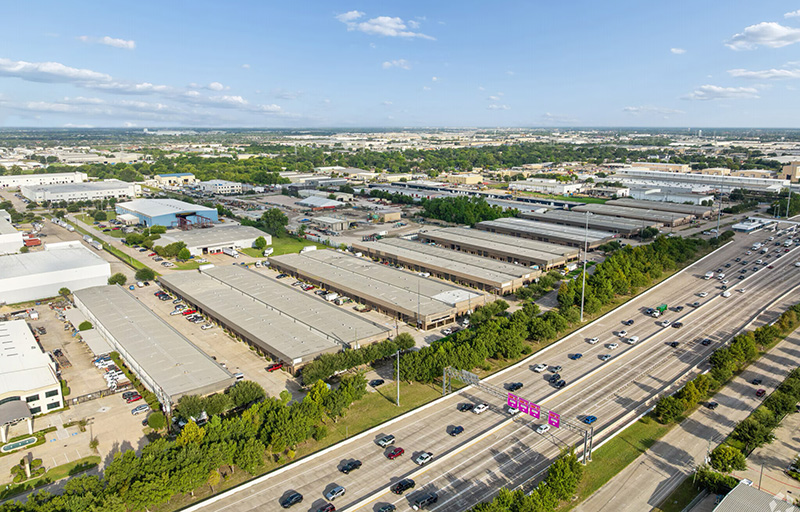
Simi Capital enters Texas with acquisition of 359,000 s/f small-bay industrial portfolio in Northwest Houston
Houston, TX Simi Capital acquired a three-property, 359,000 s/f small-bay industrial portfolio. The transaction, completed in a joint venture with Decker Capital, marks Simi



Quick Hits

Columns and Thought Leadership

A guide to finding the right NYC property management company - by Sanjay Gandhi
Being a small to midsize landlord in NYC is an increasingly demanding endeavor. From navigating complex regulations, increased compliance demands to dealing with tenant issues and remediating violations. It is wise to enlist the assistance of a partner, a professional

Hunt CRE question and answer: Choosing a real estate agent - by David Hunt
First, we will only work with one agent exclusively. The primary reason is that we want that agent to legally represent our client’s interests. In New York State, a real estate agent has a fiduciary

Hunt commercial real estate question and answer: Fortune 500 wisdom - by David Hunt
Yes, there are lessons to be learned from the largest companies in America when comes to managing your real estate. But the decision to buy or lease real estate may not be one of

New York’s streets are full again, and the retail numbers prove it - by Noam Aziz
Walk down any New York block this year and you can feel it. The sidewalks are crowded, the storefronts are lit, and the energy that defines this city is back at full volume.
.gif)