



Buffalo, NY Gantry has arranged $91.3 million of commercial mortgage financing secured for multifamily, self storage, and office assets located in various Northeast submarkets and Texas. The loans include financing for a new construction project and several permanent, long-term financings for existing properties spanning 10- and 20-year terms, secured at rates attractive for legacy hold strategies.

Gantry’s Thomas Grzebinski, senior director, with the firm’s Upstate New York production office secured the financings on behalf of the individual borrowers. The loans were placed with a range of financing sources from Gantry’s substantial roster of capital providers, including life company, regional bank, debt fund, and agency lenders.
Additionally, Gantry has expanded its Upstate New York production team, appointing Zach Wagner to the position of associate to service growing demand for commercial mortgage financing from the firm’s borrower clients based in the Northeast region. Wagner is a recent graduate from Canisius College where he earned his bachelor’s degree in finance, while serving as a commercial real estate analyst intern with the firm during his senior year.
According to Grzebinski, “The commercial financing markets have gone through a significant adjustment during 2022, but deals are still getting done. The volatile rate environment has reshaped deal points and dynamics, but because Gantry works with hundreds of capital providers, we are still finding the right terms and structures for our borrower clients as they seek to optimize their real estate holdings and investments. Multifamily and self storage assets are particularly well positioned in the current market cycle to take advantage of what continue to be attractive rates and structures, including construction financing options for new development in these asset classes.”
• Construction financing: Multifamily; 140-units; 2-year term; $33.7 million; Malta, NY
• Permanent financing: Multifamily; 705-units; 10-year yerm; $36.5 million; Western Penn.
• Permanent financing: Multifamily; 112-units; 10-year term; $7.2 million; Albany, NY
• Permanent financing: Office; 27,300 s/f; 20-year term; $5.9 million; Cedar Park, TX
• Permanent financing: Multifamily; 100-units; 10-year term; $5.5 million; Buffalo, NY
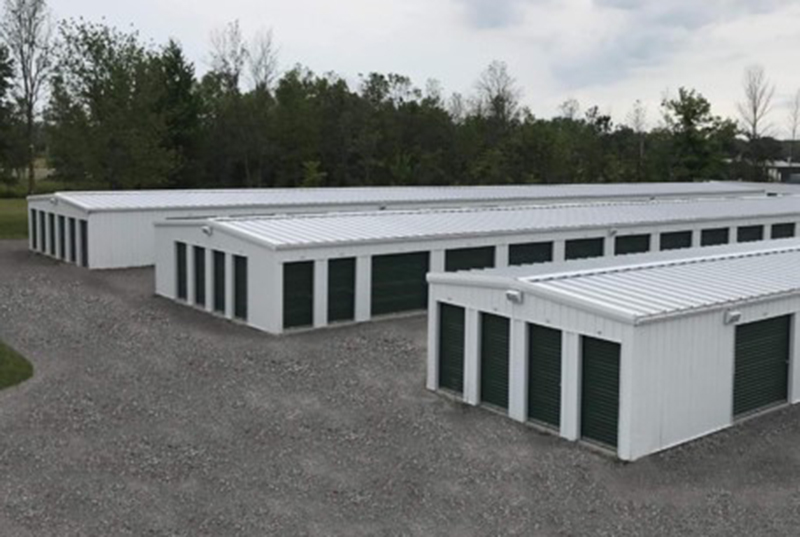
• Permanent financing: Multifamily/self storage; 6-units/500-units; 10-year term; $2.5 million; Niagara County, NY.







.gif)