



News:
Brokerage
Posted: May 25, 2010
EYP Architecture & Engineering names Elder principal in Albany
According to EYP Architecture & Engineering's board of directors, Sal Elder, RA, LEED AP, has been appointed to principal. EYP president and CEO Tom Birdsey, AIA, LEED AP, said, "Sal consistently demonstrates the highest degree of expertise, professionalism, and commitment to EYP's mission and core values. He is a proven leader whose commitment to design excellence continues to be a valuable asset to the firm."
An architect with more than 20 years of experience, Elder served as a project architect and Job Captain on a wide variety of large scale projects for prestigious federal government and higher education clients. His previous and current clients include the University of Michigan and Princeton University. Beyond his extensive project work, Elder is a recognized leader and mentor across EYP's multiple offices. He leads by growing and sharing his extensive technical knowledge through quality reviewing, teaching, and mentoring, leveraging his expertise by providing oversight on a broad range of projects.
Elder recently helped develop and launch EYP's "A16," an innovative program that serves as a springboard to new Building Information Modeling workflow practices, accelerating the technical and leadership skills of the firm's best young talent. A long-time member of the Albany office, he is a registered architect and a LEED Accredited Professional.
EYP is the expertise-based, integrated architecture and engineering design firm that specializes in education, government, and historic preservation projects. Located in Albany, Boston, Greenville, NYC, Orlando and Washington, D.C., the firm is ranked among the largest A/E firms in the nation by Building Design & Construction magazine and recently ranked number 22 in The Architect 50, Architect Magazine's annual ranking of top architecture firms.
Tags:
Brokerage
MORE FROM Brokerage
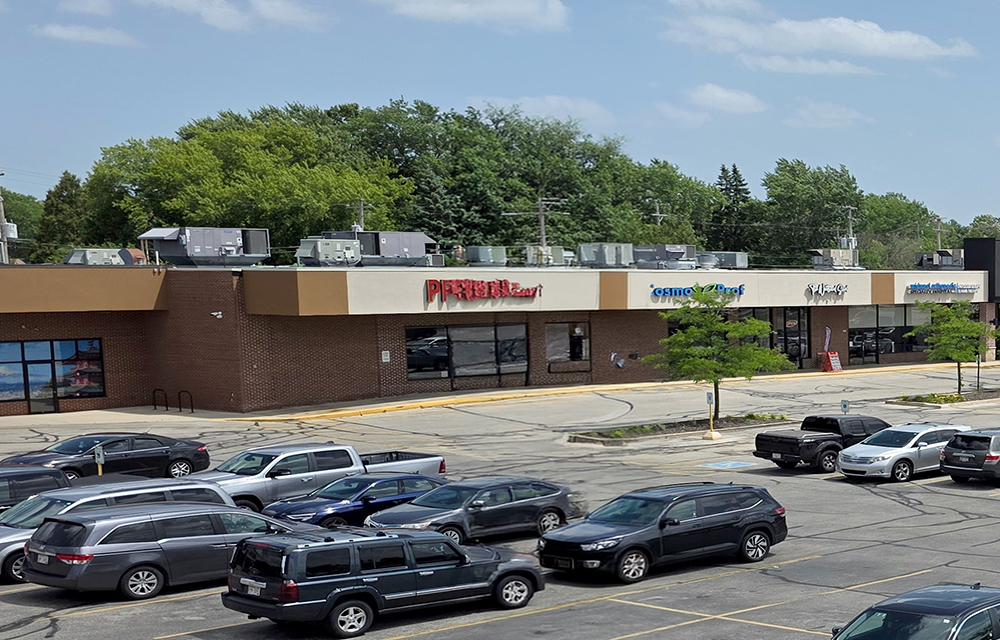
United Properties Corp. expands Wisconsin and Illinois retail presence adding 200,000 s/f
West Allis, WI United Properties Corp. completed two retail acquisitions totaling $27.4 million across Illinois and Wisconsin, adding 205,000 s/f of shopping center space to its portfolio



Quick Hits
 (2).gif)

Columns and Thought Leadership

Hunt commercial real estate question and answer: Fortune 500 wisdom - by David Hunt
Yes, there are lessons to be learned from the largest companies in America when comes to managing your real estate. But the decision to buy or lease real estate may not be one of

A guide to finding the right NYC property management company - by Sanjay Gandhi
Being a small to midsize landlord in NYC is an increasingly demanding endeavor. From navigating complex regulations, increased compliance demands to dealing with tenant issues and remediating violations. It is wise to enlist the assistance of a partner, a professional

New York’s streets are full again, and the retail numbers prove it - by Noam Aziz
Walk down any New York block this year and you can feel it. The sidewalks are crowded, the storefronts are lit, and the energy that defines this city is back at full volume.

Positive forecast for New York’s pro-housing push? - by Philip Butler
New York’s housing crisis remains a hot button topic despite growing consensus that varied and affordable housing is desperately needed statewide. Governor Hochul has recently introduced several initiatives to overcome N.Y.’s anti-housing
.gif)