



News:
Brokerage
Posted: May 17, 2016
Exemptions for foreign investors from FIRPTA withholding - by Pierre Debbas
 Pierre Debbas, Romer Debbas, LLP
FIRPTA stands for the “Foreign Investment in Real Property Tax Act (1980).” This act was meant to enact a withholding on foreign nationals or foreign corporations when they sell a property in the U.S. A key term in this description is the term “withholding.” Often times, people mistakenly classify FIRPTA as an additional tax imposed on foreign nationals, which can be a detractor for foreigners investing in U.S. property. The reality of the situation is that foreign nationals are taxed the same as U.S. citizens when it comes to paying taxes on the sale of a property.
In most cases, the withholding requires an individual seller of a property to remit 15% of the gross sales price of the property to the IRS at the closing and 35% if the seller is a foreign corporation. When taking into consideration the sales prices of properties in the NYC area, the withholdings can be rather substantial sums which are not refunded (or the balance after paying your taxes) until you have filed your tax return. The withholding is almost always significantly more than the actual gains tax that would be due to the IRS (NYS non-resident gains tax is paid at the closing). As a result, the investor can be out of pocked a large sum of liquidity for a pro-longed period of time.
The IRS affords investors the opportunity to apply for a “withholding certificate” which provides for an exemption from the FIRPTA withholding. The withholding certificate is an application that must be made to the IRS once a property is in contract to be sold. The three most common methods of obtaining this withholding certificate are as follows: 1.) 1031 transaction – foreign nationals are entitled to utilize the benefits of a 1031 transaction in the same manner that U.S. citizens are. The problem with a 1031 transaction is that the IRS has no assurance that the investor will actually close on the purchase property (i.e. the replacement property) and requires that an investor close on the relinquished property (sale property) and replacement property on the same day. This way the investor never has access to the funds and can leave the country with 100% of the proceeds and not pay their taxes, 2.) selling at a net loss – the tax due is actually calculated on the net gain of the sale and not the gross. When taking into consideration the closing costs when you purchase, closing costs when you sell, funds spent on improving the property, etc., you can potentially have a gross gain, but a net loss. In the event of a net loss, no tax would be due, thus the investor should apply for the withholding certificate as FIRPTA would not need to be remitted, and 3.) pre-pay your taxes – even if you are making a net gain on the sale, the withholding sum could be substantially higher than the tax due. If the investor has the liquidity, it may behoove them to pre-pay the tax that is due and receive a withholding certificate indicating that they are exempt from FIRPTA as a result.
A withholding certificate application should not delay a closing, so long as the application has been submitted to the IRS prior to closing. In the instance a closing takes place prior to the IRS issuing a determination on the application, either the seller or buyer’s lawyer can hold the FIRPTA withholding in their escrow account and release the sum upon receiving confirmation from the IRS that the application for the withholding certificate has been approved or not.
Pierre Debbas, Esq. is a founding partner at Romer Debbas, LLP, New York, N.Y.
Tags:
Brokerage
MORE FROM Brokerage
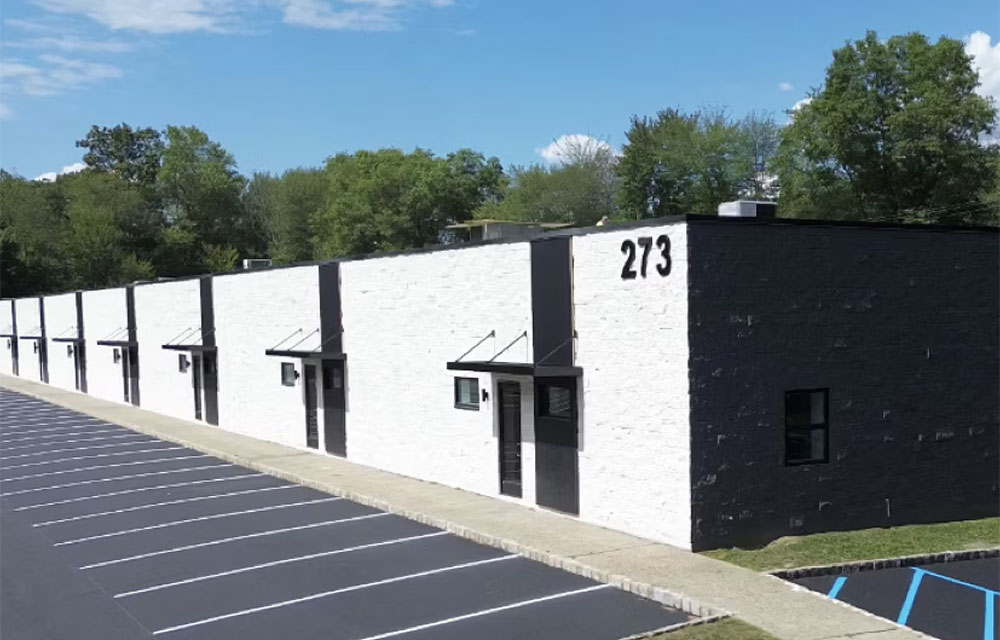
Resource Realty of Northern NJ delivers complete lease-up of 235 Franklin Rd. for Commerce Park Investors
Randolph, NJ Resource Realty of Northern New Jersey (RRNNJ) has completed the lease-up of a 10-unit small-bay industrial property at 273 Franklin Rd., marking the culmination of an investment strategy that began




Quick Hits
 (2).gif)

Columns and Thought Leadership

New York’s streets are full again, and the retail numbers prove it - by Noam Aziz
Walk down any New York block this year and you can feel it. The sidewalks are crowded, the storefronts are lit, and the energy that defines this city is back at full volume.

Hunt commercial real estate question and answer: Fortune 500 wisdom - by David Hunt
Yes, there are lessons to be learned from the largest companies in America when comes to managing your real estate. But the decision to buy or lease real estate may not be one of

Positive forecast for New York’s pro-housing push? - by Philip Butler
New York’s housing crisis remains a hot button topic despite growing consensus that varied and affordable housing is desperately needed statewide. Governor Hochul has recently introduced several initiatives to overcome N.Y.’s anti-housing

A guide to finding the right NYC property management company - by Sanjay Gandhi
Being a small to midsize landlord in NYC is an increasingly demanding endeavor. From navigating complex regulations, increased compliance demands to dealing with tenant issues and remediating violations. It is wise to enlist the assistance of a partner, a professional
.gif)