



News:
Brokerage
Posted: May 13, 2025
EW Howell Construction
Group completes $160m Davis Center
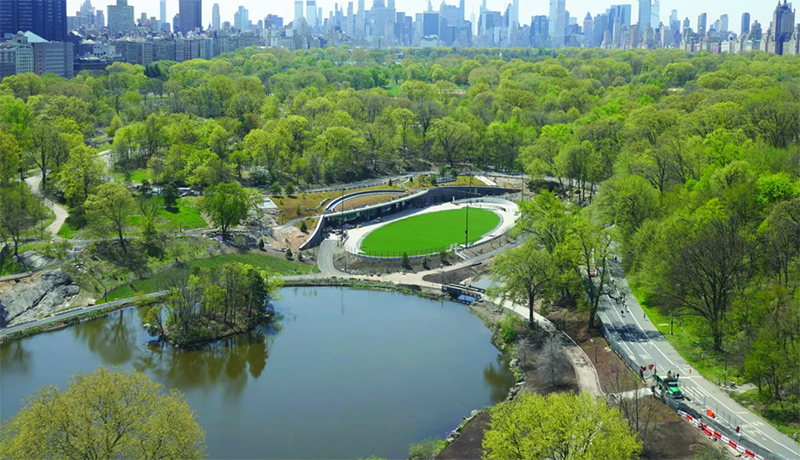
Harlem, NY The new Davis Center is one of the most complex projects ever undertaken in Central Park’s long history. Spearheaded by the Central Park Conservancy, the project was designed by Susan T. Rodriguez Architecture & Design and Mitchell Giurgola. EW Howell Construction Group served as the general contractor for this $160 million project, which began construction in 2021.
Covering 34,000 s/f, the new center replaces the former Lasker Rink and Pool, originally built in 1966. This facility served as a barrier between Central Park and the surrounding community and required modernization.
Situated on six acres, the Davis Center blends into the park’s landscape with its stone walls and green roof. It features a new, larger-than-Olympic-sized pool, which will serve various purposes throughout the seasons. The pool will act as a flexible recreation space during the spring and fall, and it will transform into an ice-skating rink in the winter. Additionally, the center includes locker rooms, a concession stand, and gallery space.
The Davis Center is more than just a pool and a rink; it serves as a vital link between Harlem and the park’s North Woods. Walking paths along a resurfaced stream and a new boardwalk traversing the surrounding water have been constructed to provide unrestricted access to every part of the park.
This initiative is significant as a public effort to benefit New Yorkers, especially those in largely low-income communities near the northern end of the park.
“We are incredibly proud of what this project represents: a Central Park that continues to evolve to meet the needs of the communities that surround it, and our commitment to ensuring every part of it serves the millions of visitors who enjoy it each year,” said Betsy Smith, Central Park Conservancy president and CEO.
Tags:
Brokerage
MORE FROM Brokerage
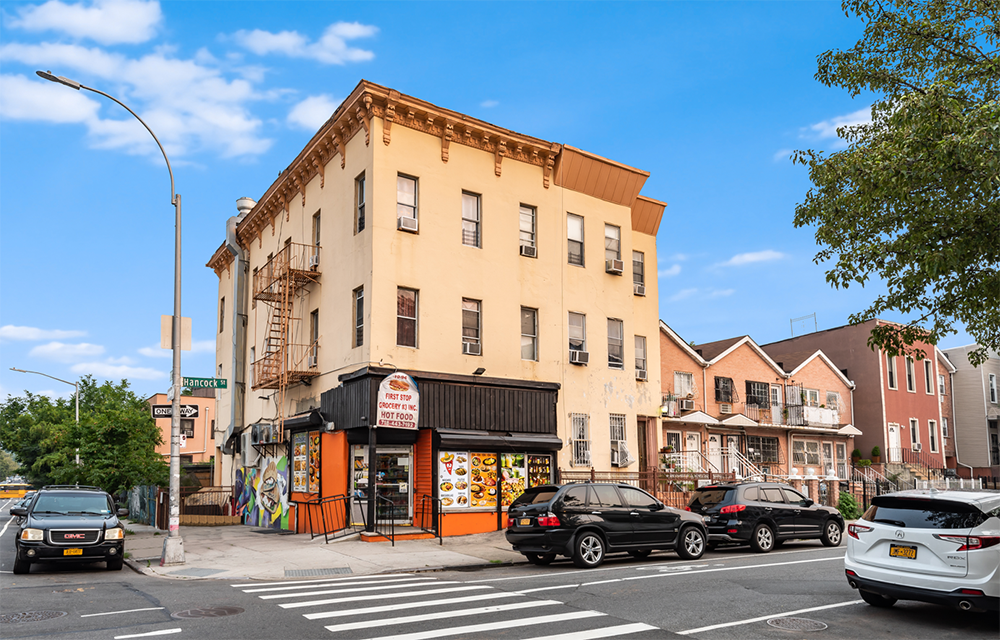
Investment Property Realty Group closes $1.75 million sale of 1094 Hancock Street in Brooklyn
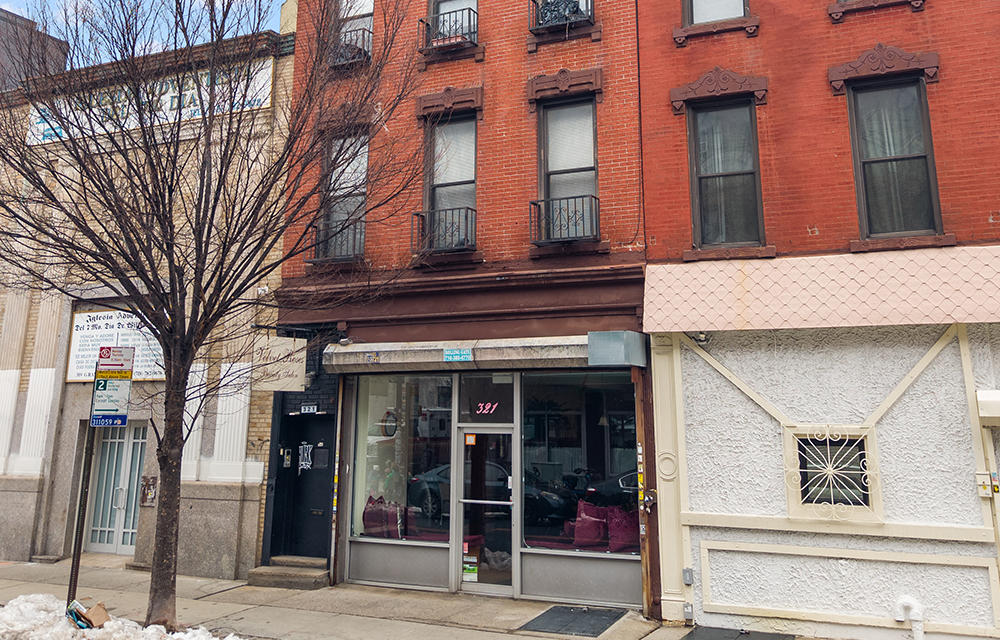
Brooklyn, NY Investment Property Realty Group (IPRG), a New York-based commercial investment firm, has closed the sale of 1094 Hancock St., a mixed-use building in the Bushwick section, for $1.75 million.


Quick Hits

Columns and Thought Leadership

A guide to finding the right NYC property management company - by Sanjay Gandhi
Being a small to midsize landlord in NYC is an increasingly demanding endeavor. From navigating complex regulations, increased compliance demands to dealing with tenant issues and remediating violations. It is wise to enlist the assistance of a partner, a professional

Hunt commercial real estate question and answer: Fortune 500 wisdom - by David Hunt
Yes, there are lessons to be learned from the largest companies in America when comes to managing your real estate. But the decision to buy or lease real estate may not be one of

Hunt CRE question and answer: Choosing a real estate agent - by David Hunt
First, we will only work with one agent exclusively. The primary reason is that we want that agent to legally represent our client’s interests. In New York State, a real estate agent has a fiduciary

New York’s streets are full again, and the retail numbers prove it - by Noam Aziz
Walk down any New York block this year and you can feel it. The sidewalks are crowded, the storefronts are lit, and the energy that defines this city is back at full volume.
.gif)