



News:
Spotlight Content
Posted: December 22, 2020
Elie Rieder, Castle Lanterra Properties
 Name: Elie Rieder
Title: Founder & CEO
Company Name: Castle Lanterra Properties
What was your most notable project, deal, or transaction in 2020?
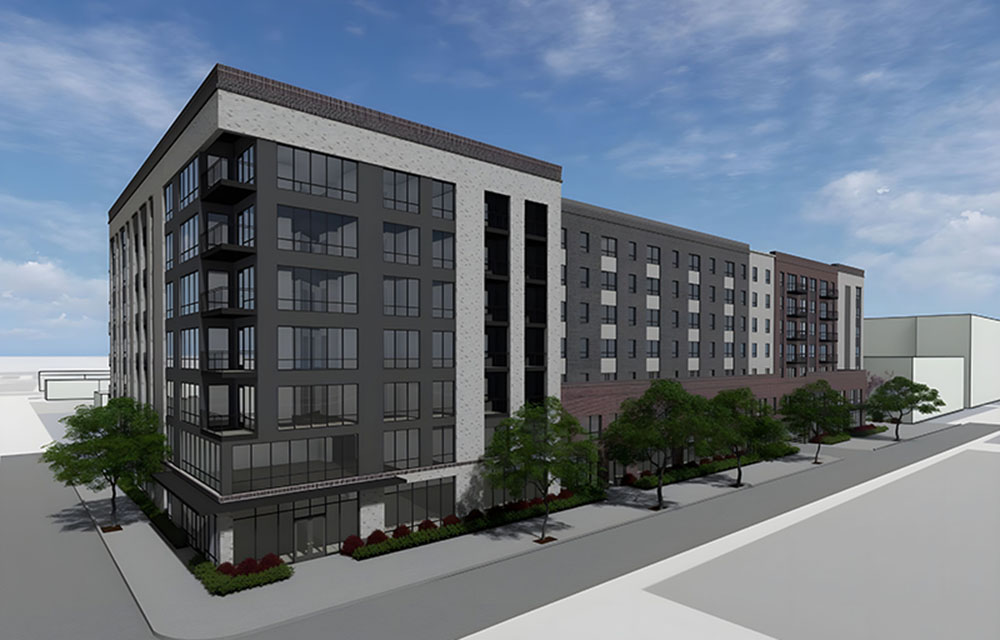
In July 2020, CLP acquired the residential portion of The Triangle, a class A, 529-unit community components in downtown Austin. This modern six-building residential complex boasts 111,000 s/f of popular local and national retailers as well as commercial space. The property’s central location—equidistant from Downtown and the Domain—provides easy access to Austin’s top economic, education and technology hubs. It is surrounded by the University of Texas, Dell Medical School, the U.S. Army Futures Command, Texas Health and Human Services Commission’s headquarters, and the biggest names in the technology industry. The asset is well positioned for resilience during any economic downturns. We plan to implement a value-add program and expect to benefit from the strong demand for class A units.
What are your predictions for commercial real estate in 2021?
CLP is continuing an overall strategy of acquiring and repositioning multifamily properties in strong suburban markets, while maintaining a conservative approach to operations through 2022 due to continued pressure on markets from COVID-19. We expect the national eviction moratorium will cease sometime during 2021, leading to a wave of evictions and large amounts of bad debt that will be booked on financial statements. As a result, CLP tends to underwrite 2021 with elevated vacancy, concessions and bad debt, regardless of how well the property has performed to date. We expect to see minimal upgrades by owners vs. a “heads-in-beds” strategy that prioritizes occupancy over rent growth. This trend will likely continue into 2022 as tenants focus on stabilizing their finances before upgrading their living experience.
Tags:
Spotlight Content
MORE FROM Spotlight Content

NYREJ's 2026 Developing Long Island Spotlight is here!
This spotlight showcases projects completed and currently under construction across Long Island as well as highlights improvements made to the region through Industrial and Economic Development Agencies and BIDs.


.png)

 (2).gif)

Columns and Thought Leadership

From vacancy to vitality: How adaptive reuse is reshaping Long Island’s CRE landscape - by Andrea Tsoukalas Curto
Adaptive reuse has become one of the most important conversations in commercial real estate today. Long Island has a large inventory of aging retail, office and industrial

2026 Developing Queens: Long Island Board of Realtors advances commercial growth and advocacy in Queens
The Long Island Board of Realtors (LIBOR) Commercial Network continues to play a key role in advancing opportunities and strengthening the commercial real estate landscape across Queens. Through targeted programming and global outreach

CRE Guide Featured Company: Merritt Environmental Consulting Corp.
Merritt Environmental Consulting Corp. (MECC) was established in June of 2009 after being part of a larger engineering firm for almost 20 years. The focus of the company is to assist lending institutions, attorneys, real estate investors, and property owners with environmental concerns. Today, MECC has offices in New York, Florida, and Vermont and has grown into a regional consulting firm serving clients along the East Coast.

Properly serving a lien law Section 59 Demand - by Bret McCabe
Many attorneys operating within the construction space are familiar with the provisions of New York Lien Law, which allow for the discharge of a Mechanic’s Lien in the event the lienor does not commence an action to enforce following the service of a “Section 59 Demand”.