



News:
Brokerage
Posted: July 27, 2015
Douvadjian, Welch and Poole of Colliers arrange $50.7 million financing
The Boston capital markets team of Colliers International closed $50.703 million of financing for commercial properties in Somerville, Carver, Peabody and Woburn from three separate sources including a bank, CMBS lender and insurance company. The Colliers team includes executive VP David Douvadjian, senior VP Thomas Welch and associate John Poole.
Colliers arranged $7.702 million of permanent bank financing for 35-37 Medford St. a property owned by btcRE, LLC. The renovated three-story 53,347 s/f building is a historic brick-and- beam style office building located in a mixed-use urban neighborhood on the Somerville/Cambridge border. Welch said, "btcRE did a masterful job envisioning and executing a value-add strategy on what is now a first-class, fully occupied asset in a hot emerging submarket."
A $21.5 million CMBS loan for Shaw's Plaza at 100 North Main St. in Carver, was also arranged by Colliers with a mortgage REIT on behalf of a private investor. The 85,199 s/f grocery-anchored retail strip, located along Rte. 58 that interchanges with Rte. 44, is 100% occupied and anchored by Shaws and CVS.
Colliers also facilitated the refinance of a 3-building industrial portfolio, located off Rte. 128 North in Peabody and Woburn. The $11.6 million refinancing allowed the sponsor to reduce its interest rate by rate-locking at application for a new 15-year term. The three buildings total 313,200 s/f and are situated along Rte. 128, I-95, I-93 and Rte. 1. The lender is CUNA Mutual, a Colliers correspondent life insurance company lender.
Douvadjian said, "CUNA distinguished itself by offering a phenomenal long term fixed rate with rate lock at application for a loan that will increase distributable cash flow and protect the borrower from rate increases for years to come."
Tags:
Brokerage
MORE FROM Brokerage
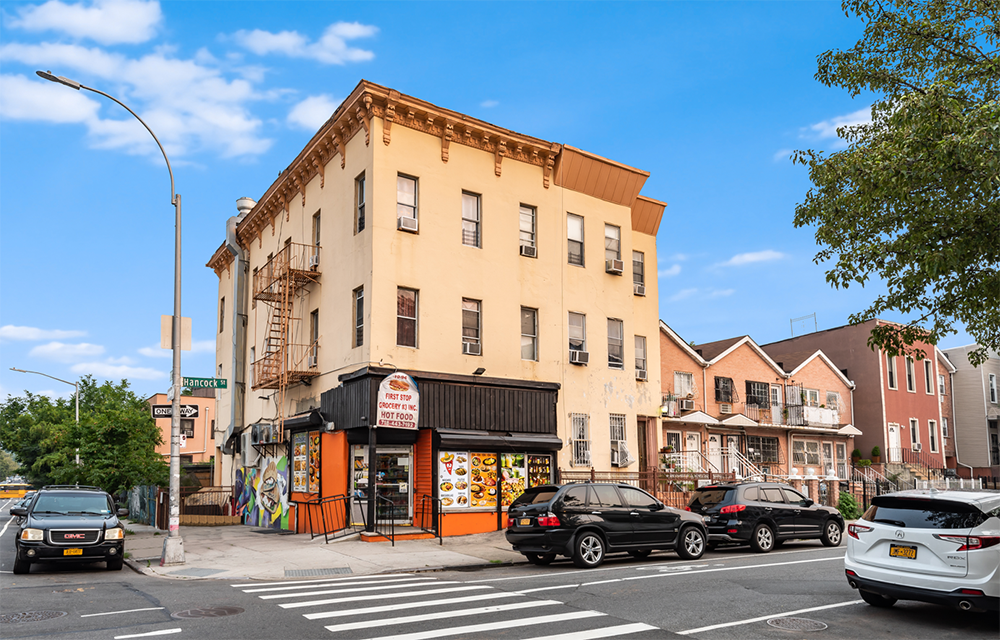
Investment Property Realty Group closes $1.75 million sale of 1094 Hancock Street in Brooklyn
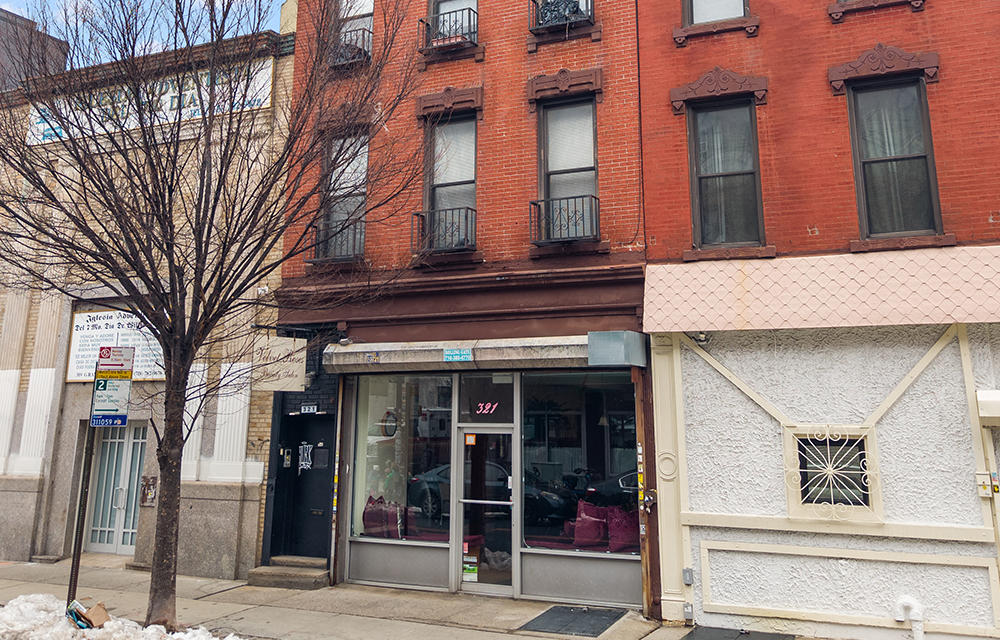
Brooklyn, NY Investment Property Realty Group (IPRG), a New York-based commercial investment firm, has closed the sale of 1094 Hancock St., a mixed-use building in the Bushwick section, for $1.75 million.


 (2).gif)

Columns and Thought Leadership

Hunt CRE question and answer: Choosing a real estate agent - by David Hunt
First, we will only work with one agent exclusively. The primary reason is that we want that agent to legally represent our client’s interests. In New York State, a real estate agent has a fiduciary

A guide to finding the right NYC property management company - by Sanjay Gandhi
Being a small to midsize landlord in NYC is an increasingly demanding endeavor. From navigating complex regulations, increased compliance demands to dealing with tenant issues and remediating violations. It is wise to enlist the assistance of a partner, a professional

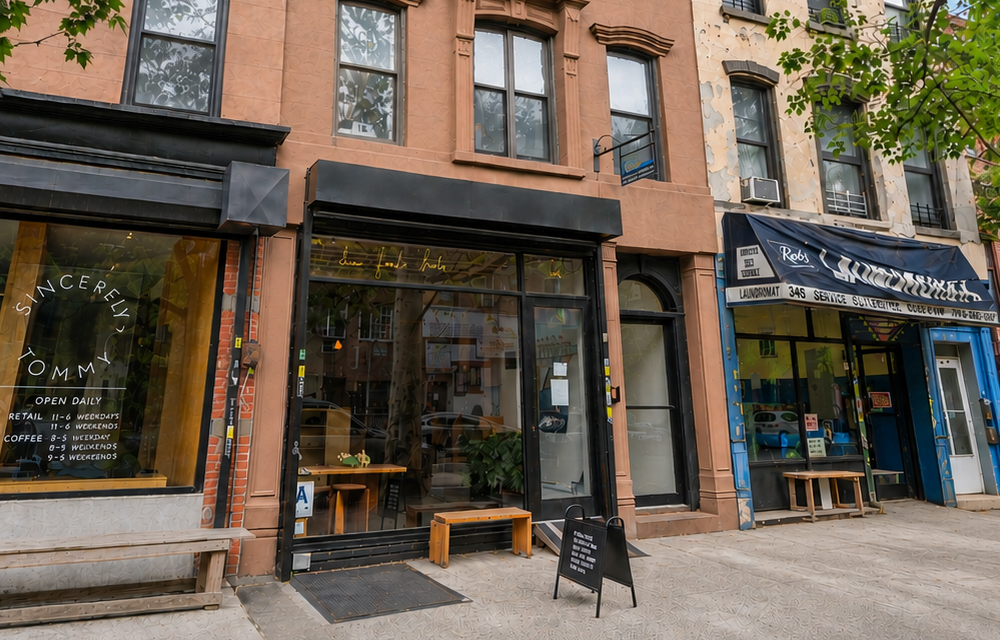
New York’s streets are full again, and the retail numbers prove it - by Noam Aziz
Walk down any New York block this year and you can feel it. The sidewalks are crowded, the storefronts are lit, and the energy that defines this city is back at full volume.

Hunt commercial real estate question and answer: Fortune 500 wisdom - by David Hunt
Yes, there are lessons to be learned from the largest companies in America when comes to managing your real estate. But the decision to buy or lease real estate may not be one of
.gif)