



News:
Brokerage
Posted: July 6, 2021
Defining value in today’s market - by Shallini Mehra

We can all agree that it has been a tumultuous year in and outside of business. As we attempt to return to normalcy and put our best foot forward, an old saying comes to mind – out of adversity comes opportunity. Every commercial real estate investor defines value and opportunity differently, and each player tends to have a unique set of investment parameters that keep deal flow in constant motion. Although the HSTPA rent laws and the onslaught of vacancies resulting from the COVID-19 pandemic have taken a toll on values and rents in New York City, investors are still interested in the city through the lens of capital appreciation, current yield, and capital preservation.
Let’s dive deeper.
Buildings with Free Market Units
Slowly but surely, we are moving toward a post-pandemic climate in New York and optimistic investors remain forward-thinking. Free market rents were down 10-20%, and absorption is on the rise with fewer concessions being offered. The trajectory for free market rents is trending upward, and with no regulation on these units, landlords can charge market rates. We recently put a deal in contract on the Upper East Side that is 50+% free market for $665 per s/f, just under a 4% cap rate. The price per s/f is attractive on this deal, and the cap rate will continue to improve as the market returns to pre-pandemic rent levels. Additionally, the rent stabilized units in this property will continually provide steady cashflow in up and down markets. Buildings with older free-market units are also in strong demand as investors see the opportunity to renovate the units to achieve higher rents in the marketplace.
Rent Stabilization Laws Offer Investors a More Attractive Cap Rate
With COVID-19 protocols changing so frequently, we New Yorkers have no choice but to be nimble, open-minded and creative. The path from rent stabilized to free market was eliminated with the stringent HSTPA rent laws resulting in a more attractive cap rate for rent stabilized units along with real cashflow for investors. It comes as no surprise that the rent stabilized stock did the best throughout the pandemic. Many of the current buyers are experienced operators who already own in the immediate neighborhoods, and they can capitalize on economies of scale with in-place superintendents and support staff. We recently signed two walk-up deals in the North Bronx for 5%+ cap rates and $150,000+/- per unit. Both buildings are well maintained, boast 90+% collections, and have very little deferred maintenance for the new owner, which is a big plus since landlords are no longer able to amortize the full amount of capital improvements.
There is Value Add in Capital Preservation, Especially in NYC
The U.S., and particularly New York City, is still viewed as a safe and stable place to protect your capital. There is something to be said about capital preservation through real estate investments in core or core+ assets which may appreciate over a much longer time horizon. These assets usually boast strong bones, location, and a reliable cashflow. A few months back, we sold 5 West 91st St. for a 3.4% cap rate and $417 per s/f to a family that was focused on quality assets with a long-term investment horizon. The property boasts 1970s construction, is located less than a half block from Central Park and is close to public transportation and other neighborhood amenities. Active asset management, responsive property management and “feet on the street” are critical to ensure the long-term success of these types of assets.
Although we are not quite at the end of the road with the pandemic, New York City is not going anywhere, and opportunity continues to be ever-present.
Shallini Mehra is a managing director with Team Doshi at Meridian Investment Sales, New York, N.Y.
Tags:
Brokerage
MORE FROM Brokerage
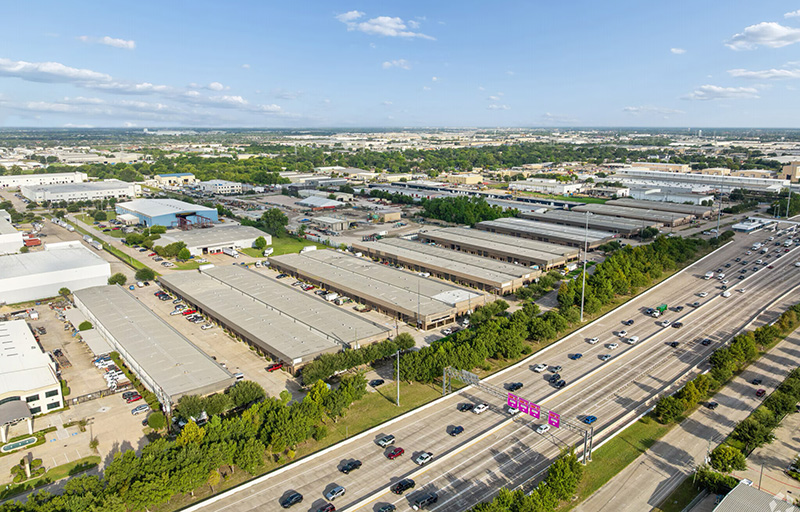
Simi Capital enters Texas with acquisition of 359,000 s/f small-bay industrial portfolio in Northwest Houston
Houston, TX Simi Capital acquired a three-property, 359,000 s/f small-bay industrial portfolio. The transaction, completed in a joint venture with Decker Capital, marks Simi


Quick Hits

Columns and Thought Leadership

A guide to finding the right NYC property management company - by Sanjay Gandhi
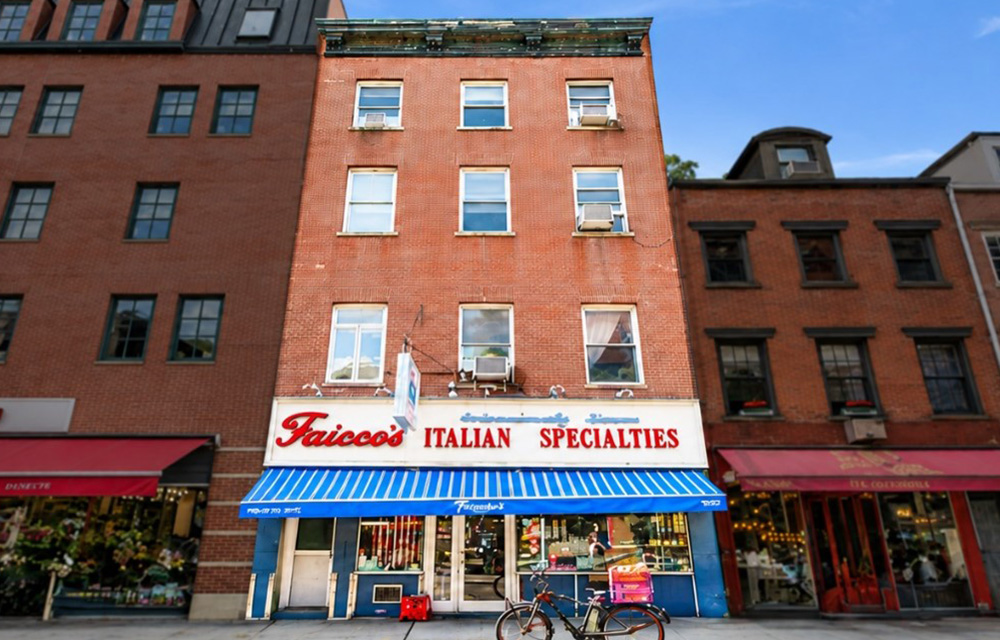
Being a small to midsize landlord in NYC is an increasingly demanding endeavor. From navigating complex regulations, increased compliance demands to dealing with tenant issues and remediating violations. It is wise to enlist the assistance of a partner, a professional

New York’s streets are full again, and the retail numbers prove it - by Noam Aziz
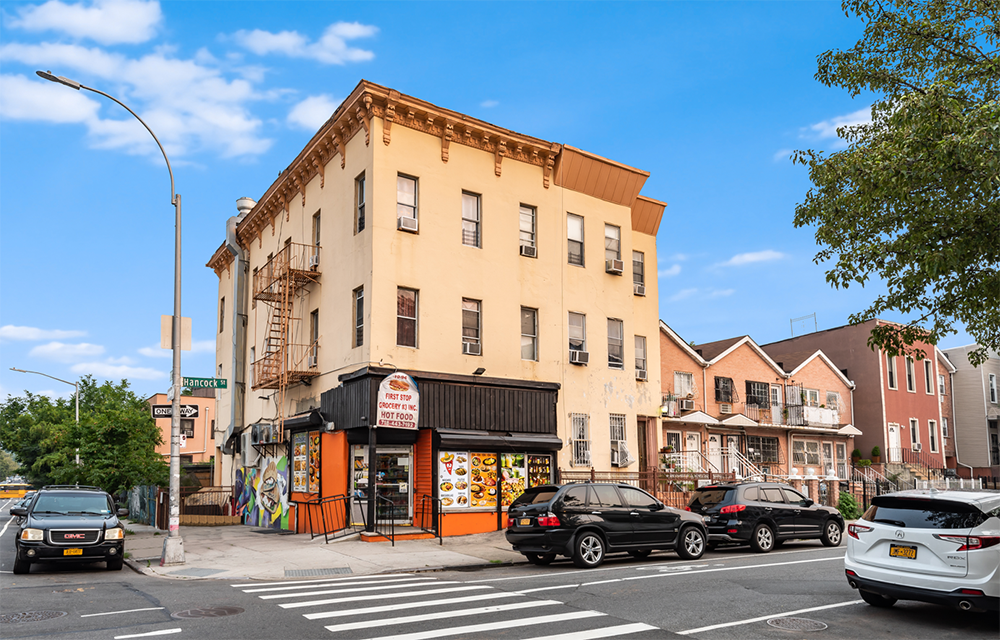
Walk down any New York block this year and you can feel it. The sidewalks are crowded, the storefronts are lit, and the energy that defines this city is back at full volume.

Hunt commercial real estate question and answer: Fortune 500 wisdom - by David Hunt
Yes, there are lessons to be learned from the largest companies in America when comes to managing your real estate. But the decision to buy or lease real estate may not be one of

Hunt CRE question and answer: Choosing a real estate agent - by David Hunt
First, we will only work with one agent exclusively. The primary reason is that we want that agent to legally represent our client’s interests. In New York State, a real estate agent has a fiduciary
.gif)