



News:
Brokerage
Posted: October 19, 2021
CREW Network releases "A Catalyst for Change: COVID-19’s Impact on Women in Commercial Real Estate"
New York, NY A CREW Network research paper reinforces why this a critical moment to use COVID-19 as a catalyst for change in CRE.
CREW Network is proud to be the leading producer of research on gender and diversity in commercial real estate. Today, we launched our 2021 research paper, A Catalyst for Change: COVID-19’s Impact on Women in Commercial Real Estate, which examines the pandemic’s impact on women and the CRE workplace, and steps we can all take to rebuild the workforce of the future, with a focus on supporting and advancing all women.
One in four women considered stepping out or stepping back from the workplace due to COVID-19. Women lost $800 billion (USD) in income in 2020, more than the combined GDP of 98 countries. In CRE, the pandemic presented new challenges for women and stalled their progress, but also welcomed new opportunities to change the industry culture and remove persistent workplace barriers.
The research paper includes the following insights taken from CREW Network’s July 2021 survey of 1,018 commercial real estate professionals across 25+ specializations and 10+ sectors in the United States, United Kingdom and Canada:
Job Loss
- 24% of survey respondents said that women in their work location left voluntarily
- 12% left or lost their job
- 78% were forced to leave
- 22% left voluntarily
- 97% identified as women
- 27% identified as Latinx
- 16% identified as Black
- 9% identified as White
- 7% identified as Asian
Compensation and Deals
- 54% said that they missed out on deals in 2020
- 39% said their compensation increased
- 37% compensation stayed the same
- 23% compensation decreased
Career Satisfaction
- 53% said their career satisfaction increased
- 51% of women vs. 62% of men
- 47% said their career satisfaction decreased
- 47% of women vs. 35% of men
Stalled Progress for Women
- 38% believe the pandemic stalled progress for women
- 32% believe it derailed progress for women/set them back
- 16% believe the pandemic had little or no impact on women
- 14% believe it leveled the playing field for women
A Shift in Priorities
- 50% said their career priorities have changed
- 52% of women and 32% of men
- 74% said their personal priorities have changed
- 90% of women and 62% of men
Changes in the CRE Workplace
- 70% of companies created new employee work policies as a result of the pandemic
- 68% of employees favor flexible work arrangements
- 50% of employees believe their companies will continue to offer increased work flexibility post-pandemic
- 17% of employees will actively seek to work for a company that has flexible work arrangements
While half of the CRE professionals surveyed said that their career priorities changed as a result of the pandemic, 9 out of 10 women said their personal priorities changed. Hundreds of survey comments cited the immediate need for better work/life balance, a stronger focus on self-care and mental health, and more flexible work arrangements.
Read more here
Tags:
Brokerage
MORE FROM Brokerage
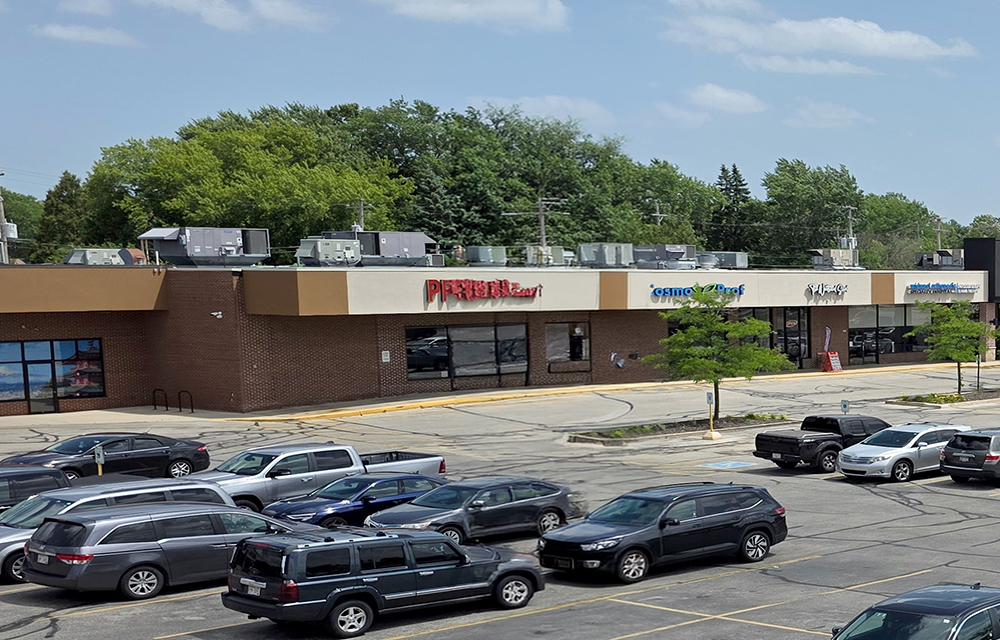
United Properties Corp. expands Wisconsin and Illinois retail presence adding 200,000 s/f
West Allis, WI United Properties Corp. completed two retail acquisitions totaling $27.4 million across Illinois and Wisconsin, adding 205,000 s/f of shopping center space to its portfolio





Quick Hits
 (2).gif)

Columns and Thought Leadership

A guide to finding the right NYC property management company - by Sanjay Gandhi
Being a small to midsize landlord in NYC is an increasingly demanding endeavor. From navigating complex regulations, increased compliance demands to dealing with tenant issues and remediating violations. It is wise to enlist the assistance of a partner, a professional

Hunt commercial real estate question and answer: Fortune 500 wisdom - by David Hunt
Yes, there are lessons to be learned from the largest companies in America when comes to managing your real estate. But the decision to buy or lease real estate may not be one of

Positive forecast for New York’s pro-housing push? - by Philip Butler
New York’s housing crisis remains a hot button topic despite growing consensus that varied and affordable housing is desperately needed statewide. Governor Hochul has recently introduced several initiatives to overcome N.Y.’s anti-housing

New York’s streets are full again, and the retail numbers prove it - by Noam Aziz
Walk down any New York block this year and you can feel it. The sidewalks are crowded, the storefronts are lit, and the energy that defines this city is back at full volume.
.gif)