



News:
Brokerage
Posted: August 22, 2011
CPC provides $4.925 million permanent loan for 192-unit Embury Apartments
The Community Preservation Corp. has closed on a $4.925 million permanent loan for Embury Apartments, a rehabilitated property comprising of 192 affordable units for low-income seniors.
Located in the 36-acre campus of the Wesley Communities at 133 Lawrence St., Embury Apartments is comprised of two identical, 14-story towers with a central community room and common area. Built in 1973, the property formerly comprised 208 units. The buildings were reconfigured to include 72 studios, 104 one-bedroom units and 16 two-bedroom units for a total of 192 for residents 62 years of age and older.
All the kitchens were renovated and equipped with energy-efficient appliances and all bathrooms were upgraded as well. New windows and heating distribution and controls were also installed in all the units. New insulation was installed in the exterior walls. A portion of the units was converted to serve the handicapped.
The property is operated as HUD 236 subsidized low-income housing facility that serves the elderly with income restricted and regulated under the Mitchell Lama Program.
Omni Housing Development, LLC, of Albany acted as the developer for the property. The renovations were funded primarily through $12 million in federal and state low-income housing tax credits administered through New York State Homes and Community Renewal. Construction financing was provided by M&T Bank. In addition to the CPC loan, the permanent financing includes a $416,560 grant from the New York State Energy Research and Development Authority under its Multifamily Performance program.
Christopher Betts, senior vice president and director of CPC's eastern regional office in Albany which handled the loan said, "CPC is pleased to provide the financing for Embury Apartments which plays a vital role in Saratoga Springs area in meeting the housing needs of the low-income elderly."
Tags:
Brokerage
MORE FROM Brokerage
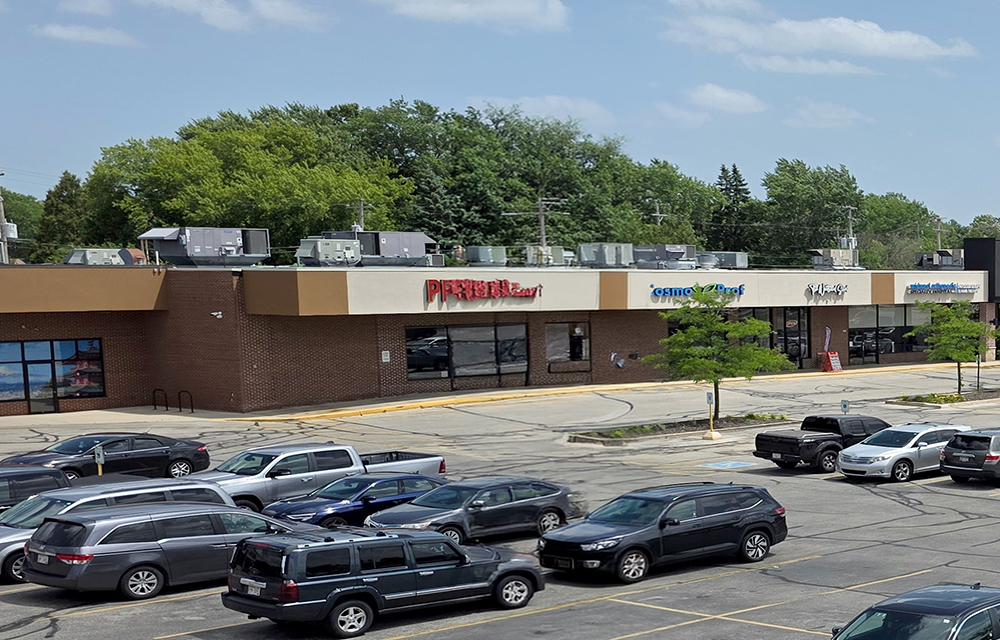
United Properties Corp. expands Wisconsin and Illinois retail presence adding 200,000 s/f
West Allis, WI United Properties Corp. completed two retail acquisitions totaling $27.4 million across Illinois and Wisconsin, adding 205,000 s/f of shopping center space to its portfolio


Quick Hits
 (2).gif)

Columns and Thought Leadership

New York’s streets are full again, and the retail numbers prove it - by Noam Aziz
Walk down any New York block this year and you can feel it. The sidewalks are crowded, the storefronts are lit, and the energy that defines this city is back at full volume.

Positive forecast for New York’s pro-housing push? - by Philip Butler
New York’s housing crisis remains a hot button topic despite growing consensus that varied and affordable housing is desperately needed statewide. Governor Hochul has recently introduced several initiatives to overcome N.Y.’s anti-housing

Hunt commercial real estate question and answer: Fortune 500 wisdom - by David Hunt
Yes, there are lessons to be learned from the largest companies in America when comes to managing your real estate. But the decision to buy or lease real estate may not be one of

A guide to finding the right NYC property management company - by Sanjay Gandhi
Being a small to midsize landlord in NYC is an increasingly demanding endeavor. From navigating complex regulations, increased compliance demands to dealing with tenant issues and remediating violations. It is wise to enlist the assistance of a partner, a professional
.gif)