



News:
Brokerage
Posted: May 22, 2009
CPC provides $1.91 million loan for mixed-use project in Armory Sq.
The Community Preservation Corp. (CPC) has closed a $1.91 million construction and permanent loan for the rehabilitation of two adjacent buildings in the city's Armory Sq. neighborhood. CPC's loan will be used to refinance the existing debt and gut rehabilitation of the two buildings. The permanent loan is insured by SONYMA.
A four-story building located at 127-129 West Fayette St., which is the former Kirk Hotel, is being renovated into six one-bedroom and three two-bedroom rental apartments. The Clinton St. Pub, which the borrower has owned and managed since 2001, will continue to occupy the ground floor and will include a connection to the adjacent building at 121-125 West Fayette St., which the borrower purchased in 2007.
The two-story masonry building at 121-125 West Fayette St., which is vacant, will be a gut rehab and include construction of two additional stories. The building will have two, two-bedroom apartments on the second floor and two, two-bedroom apartments on each of the third floor and fourth floors. The ground floor commercial space will serve as the eating area for the adjacent bar.
"We are pleased to provide the construction and permanent financing for this important mixed-use development that will enhance the vitality of the Armory Sq. neighborhood in downtown Syracuse. Not only will this renovation project preserve a historic building, it will also create rental housing and retail space for the downtown area," said Nick Petragnani, regional director of CPC's Syracuse, central N.Y. and Rochester offices.
A portion of CPC's construction loan, $400,000, serves as a bridge loan against a committed NYS Restore grant. The $1.51 million balance of the construction loan will be taken out by a 30-year, fixed-rate permanent loan, which will be sold to the Common Retirement Fund at the end of the 24-month construction term. The project also qualifies for historic tax credits. The city will provide a bridge loan against historic tax credit equity. Key Community Development Corp. will purchase the tax credits.
CPC is a not-for-profit mortgage lender that finances residential multifamily development throughout New York, New Jersey and Connecticut. Since its founding in 1974, CPC has invested more than $7 billion in more than 133,000 units of housing.
Tags:
Brokerage
MORE FROM Brokerage
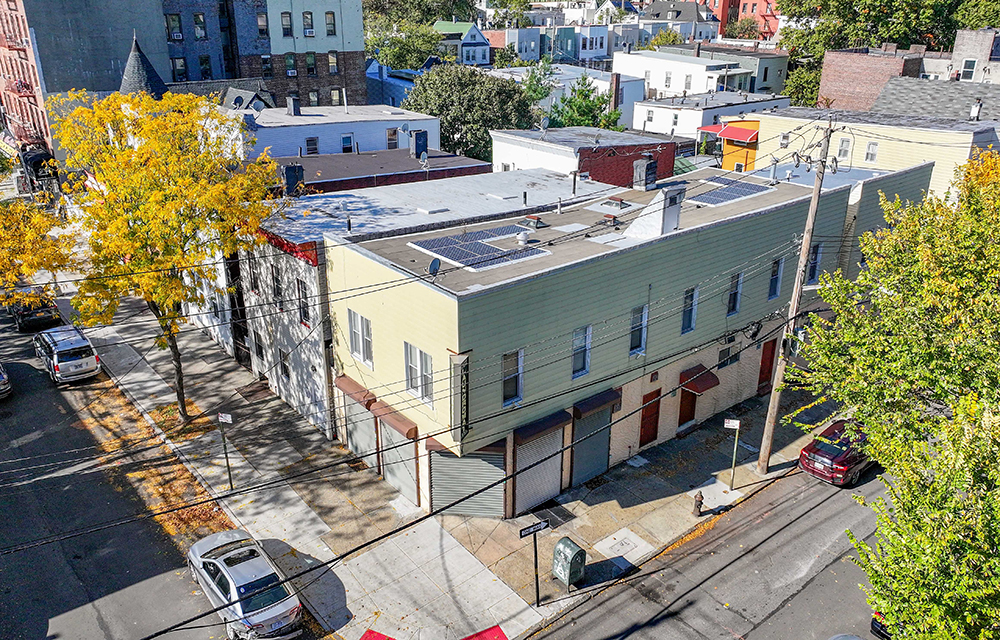
Investment Property Realty Group’s Team Friedman closes five Bronx sales totaling $5.3 million
Bronx, NY Investment Property Realty Group’s (IPRG) Team Friedman closed five sales totaling $5.3 million in the month of September. • 1707 Melville St. sold for $1.35 million. Located in Van Nest, the property



Quick Hits
 (2).gif)

Columns and Thought Leadership

A guide to finding the right NYC property management company - by Sanjay Gandhi
Being a small to midsize landlord in NYC is an increasingly demanding endeavor. From navigating complex regulations, increased compliance demands to dealing with tenant issues and remediating violations. It is wise to enlist the assistance of a partner, a professional

Positive forecast for New York’s pro-housing push? - by Philip Butler
New York’s housing crisis remains a hot button topic despite growing consensus that varied and affordable housing is desperately needed statewide. Governor Hochul has recently introduced several initiatives to overcome N.Y.’s anti-housing

Hunt commercial real estate question and answer: Fortune 500 wisdom - by David Hunt
Yes, there are lessons to be learned from the largest companies in America when comes to managing your real estate. But the decision to buy or lease real estate may not be one of

New York’s streets are full again, and the retail numbers prove it - by Noam Aziz
Walk down any New York block this year and you can feel it. The sidewalks are crowded, the storefronts are lit, and the energy that defines this city is back at full volume.
.gif)