



News:
Brokerage
Posted: June 23, 2015
CPC closes on $1.1m loan for the 24-unit Mennonite United Revival Apartments; Developed by RBSCC
The Community Preservation Corp., Inc. (CPC), a leading not-for-profit affordable housing and neighborhood revitalization lender, has closed on a permanent loan totaling $1.1 million for Mennonite United Revival Apartments, one of the nation's first affordable multifamily Passive House developments. Located on 422-428 Melrose St. in Bushwick, the 24-apartment building was developed by Ridgewood Bushwick Senior Citizens Council (RBSCC) for low-income families and meets the strict energy-efficiency criteria of Passive House, an international building standard aimed at reducing heating and cooling energy usage through passive measures such as insulation.
"Energy-efficient design is a great way to ensure that buildings are running smoothly, cost-effectively, and reliably. Mennonite United Revival Apartments' innovative design will keep operating costs and rent lower, ensuring the long-term financial stability and viability of the development," said Sadie McKeown, executive vice president and COO, CPC. "Providing capital to keep small buildings like this one affordable and sustainable is a critical part of CPC's mission, and we will continue to preserve the character and affordability of neighborhoods like Bushwick and support long-term partners like RBSCC."
Located on a former parking lot, the five-story apartment building features three studios, four one-bedroom, 12 two-bedroom, and four three-bedroom apartments which are available for families earning either 50% or 60% of area median income (AMI), with a two-bedroom unit reserved for the superintendent. Amenities include a community room, a laundry room, an outdoor patio, and a garden.
The building was designed by architect Chris Benedict to meet Passive House standards for energy efficiency, which exceed those achieved by Leadership in Energy & Environmental Design (LEED). Mennonite United Revival Apartments only uses 20% of a typical New York City building's energy use by pushing the boundaries of traditional engineering and residential design. The building is thoroughly air sealed, insulated, and compartmentalized with air barriers, drastically increasing heating- and cooling-related energy savings by storing warm air during cold days and cold air on hot days. The exterior design ensures that the sun provides heat for the rooms in the winter, utilizing natural heat sources to the greatest extent. Furthermore, each apartment has its own ventilation system to consistently supply fresh air, as well as small radiators and airtight window air conditioning units.
Many public and private partners came together to finance this project. TD Bank provided a $6.5 million construction loan, and the NYC Housing Preservation and Development administered $750,000 in Reso A funds. CPC is contributing a $1.14 million permanent loan through the New York City Retirement Systems (NYCRS) with 100% insurance from the State of New York Mortgage Agency (SONYMA). An additional $2.18 million permanent loan will come from the Housing Trust Fund. The New York State Department of Housing and Community Renewal also allocated Low income Housing Tax Credits (LITHC) and RBC Capital Markets syndicated the $4.5 million LIHTC equity.
Since its inception in 1974, CPC has invested $9 billion to create and preserve 159,000 units in throughout New York State.
Tags:
Brokerage
MORE FROM Brokerage
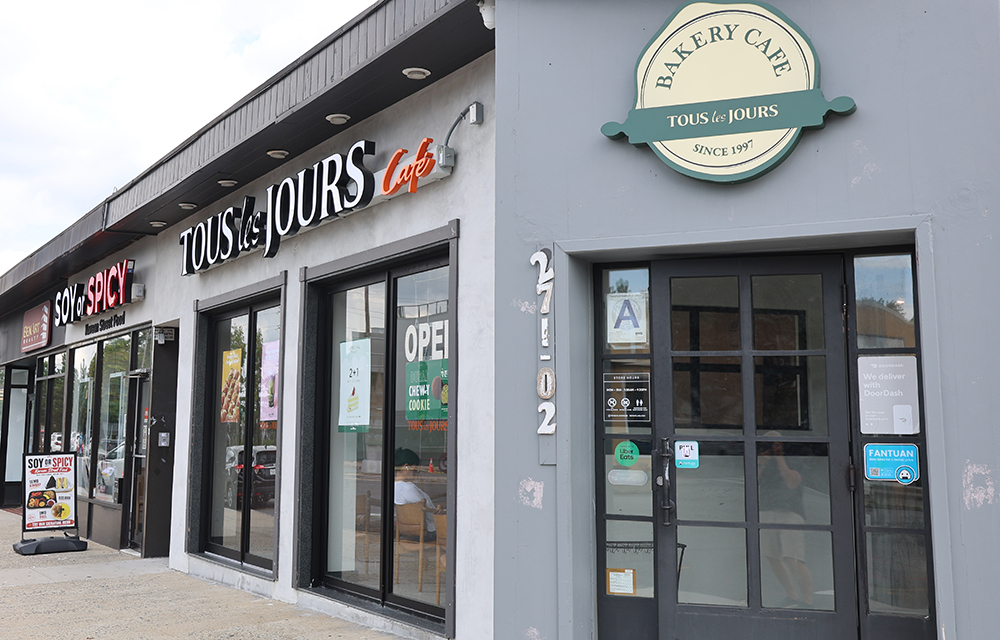
Sobel of RIPCO Real Estate signs Redefine Meals as newest tenant at New Hyde Park Place
New Hyde Park, NY New Hyde Park Place, the rebranded commercial property at 271-02 Union Tpke.on the Nassau/Queens border, has signed new tenant Redefine Meals, the Long Island-based prepared-meal company, for a new 1,000 s/f location, starting on September





Quick Hits
 (2).gif)

Columns and Thought Leadership

A guide to finding the right NYC property management company - by Sanjay Gandhi
Being a small to midsize landlord in NYC is an increasingly demanding endeavor. From navigating complex regulations, increased compliance demands to dealing with tenant issues and remediating violations. It is wise to enlist the assistance of a partner, a professional

New York’s streets are full again, and the retail numbers prove it - by Noam Aziz
Walk down any New York block this year and you can feel it. The sidewalks are crowded, the storefronts are lit, and the energy that defines this city is back at full volume.

Hunt commercial real estate question and answer: Fortune 500 wisdom - by David Hunt
Yes, there are lessons to be learned from the largest companies in America when comes to managing your real estate. But the decision to buy or lease real estate may not be one of

Positive forecast for New York’s pro-housing push? - by Philip Butler
New York’s housing crisis remains a hot button topic despite growing consensus that varied and affordable housing is desperately needed statewide. Governor Hochul has recently introduced several initiatives to overcome N.Y.’s anti-housing
.gif)
September Promotion
