



News:
Brokerage
Posted: December 9, 2013
Countering a mechanic's lien filed against real property
The filing of a mechanic's lien against real property need not necessarily be cause for alarm. While a lien has the potential to cause severe hardships on a project, its effect can usually be minimized through the use of some of the tools provided in the New York Lien Law. One of those tools, set forth in Lien Law §59, permits the property owner or contractor to serve a notice on the lienor demanding that it foreclose on its lien within thirty days. If the lienor fails to timely foreclose, the owner or contractor may seek an order discharging the lien. Sometimes, however, the issue presented is not simply whether the foreclosure action was timely commenced within the statutory period, but rather whether the action was properly commenced at all.
In one recent case, a subcontractor filed a mechanic's lien against a commercial building located in Manhattan. The general contractor, believing the subcontractor had failed to properly perform its work, then commenced litigation against the subcontractor in District Court in Nassau County (as the subcontractor's business office was located in Nassau County) and also served a Lien Law §59 demand to foreclose. The lienor subsequently served its answer to the lawsuit in Nassau County and asserted a counterclaim seeking the "establishment" of its mechanic's lien. The general contractor thereafter petitioned the court in New York County (where the lien was filed) to discharge the lien for failure to commence a foreclosure action as required. The general contractor argued that the counterclaim raised in the Nassau County action did not constitute a proper foreclosure action as the property owner (who, unless the lien has been discharged by bond, is a necessary party to a foreclosure action) was not named in the action and since the District Court, a court of limited jurisdiction, does not have jurisdiction over a foreclosure action. The New York County court granted the petition and discharged the mechanic's lien.
Joseph Asselta is a partner at Forchelli, Curto, Deegan, Schwartz, Mineo & Terrana, LLP, Uniondale, N.Y.
Tags:
Brokerage
MORE FROM Brokerage
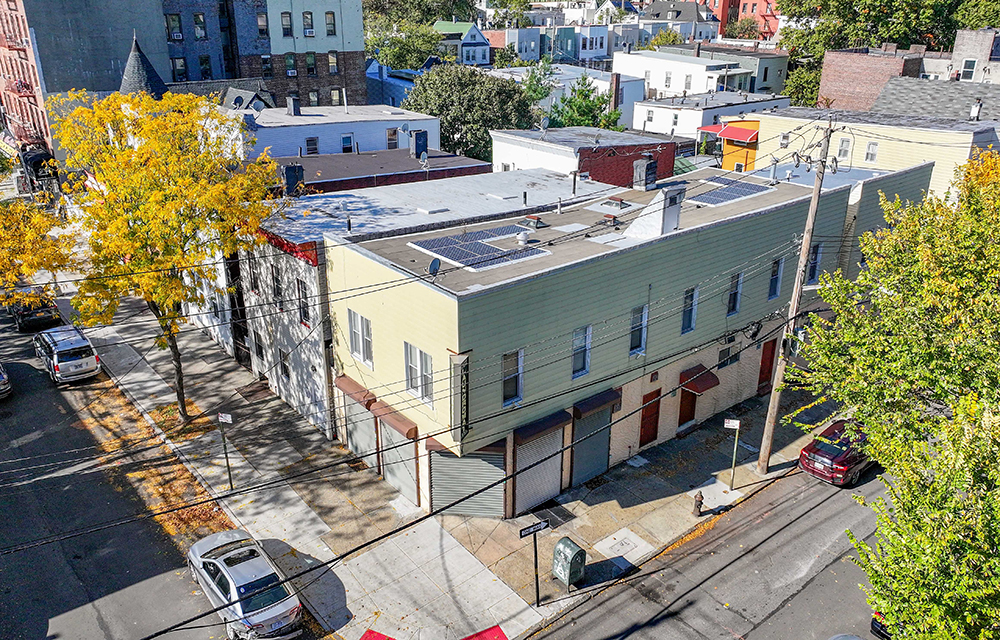
Investment Property Realty Group’s Team Friedman closes five Bronx sales totaling $5.3 million
Bronx, NY Investment Property Realty Group’s (IPRG) Team Friedman closed five sales totaling $5.3 million in the month of September. • 1707 Melville St. sold for $1.35 million. Located in Van Nest, the property




Quick Hits
 (2).gif)

Columns and Thought Leadership

Hunt commercial real estate question and answer: Fortune 500 wisdom - by David Hunt
Yes, there are lessons to be learned from the largest companies in America when comes to managing your real estate. But the decision to buy or lease real estate may not be one of

Positive forecast for New York’s pro-housing push? - by Philip Butler
New York’s housing crisis remains a hot button topic despite growing consensus that varied and affordable housing is desperately needed statewide. Governor Hochul has recently introduced several initiatives to overcome N.Y.’s anti-housing

New York’s streets are full again, and the retail numbers prove it - by Noam Aziz
Walk down any New York block this year and you can feel it. The sidewalks are crowded, the storefronts are lit, and the energy that defines this city is back at full volume.

A guide to finding the right NYC property management company - by Sanjay Gandhi
Being a small to midsize landlord in NYC is an increasingly demanding endeavor. From navigating complex regulations, increased compliance demands to dealing with tenant issues and remediating violations. It is wise to enlist the assistance of a partner, a professional
.gif)
September Promotion
