



News:
Brokerage
Posted: February 8, 2022
Cord Meyer Development welcomes Simone
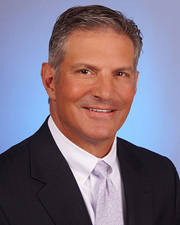
Queens, NY John Simone, a senior real estate executive with over 30 years of experience in all asset classes, has joined Cord Meyer Development Co. as COO. The announcement was made by Cord Meyer president and CEO Matthew Whalen.
“John is an analytical decision maker with proven leadership and organizational skills,” Whalen said. “I am confident he will strengthen current functions throughout the organization, set and meet new business objectives, and bring his significant real estate expertise to every aspect of Cord Meyer. It’s an honor to welcome John as chief operating officer and I look forward to his many contributions as he assumes responsibility for day-to-day operations.”
A graduate of Bucknell University, where he received his Bachelor of Science in Engineering, Simone began his real estate career as Vice President of the Albanese Organization (Garden City, NY) before joining NAI Long Island (Melville, NY) where he successfully completed millions of square feet of sales and leasing transactions. Acting as Managing Partner, Simone guided the firm’s growth of its brokerage and management services into one of the leading real estate service firms in the tri-state area and orchestrated the successful sale of the company to Cushman & Wakefield in 2019. Most recently, he served as Vice President-Development at Mattone Investors (Westbury, NY), overseeing several large re-positioning projects in Queens, Brooklyn, and Long Island.
“Cord Meyer is actively exploring development opportunities while strengthening its existing assets and marketplace relationships,” said Whalen. “More than ever, it is critical that someone with John’s level of senior real estate experience serve as COO. His intricate understanding of all aspects of commercial and residential property will serve us well as John develops and implements the strategies, procedures, and business plans needed to enhance company growth and position Cord Meyer for future success.”
Simone is an active member of many professional organizations including the Commercial/Industrial Brokers Society, the Long Island Real Estate Group, the Garden City Real Estate Professionals, the Long Island Association, and the International Council of Shopping Centers.
Tags:
Brokerage
MORE FROM Brokerage

200E20TH sells out in Gramercy, penthouse A closes out sales at the CetraRuddy-designed condominium residences
Manhattan, NY 200E20TH, the CetraRuddy-designed architectural masterwork that brought a curved, contemporary sensibility to Gramercy’s Beaux-Arts streetscape, has





Quick Hits

Columns and Thought Leadership

The art of investing in real estate - by Thomas Donovan
Real estate investing is as much an art as it is a skill. No one can time the market, or the factors that drive it, perfectly. Location, zoning, size, transportation, and neighborhood density give you a baseline for

Hunt commercial real estate question and answer: Fortune 500 wisdom - by David Hunt
Yes, there are lessons to be learned from the largest companies in America when comes to managing your real estate. But the decision to buy or lease real estate may not be one of

New York’s streets are full again, and the retail numbers prove it - by Noam Aziz
Walk down any New York block this year and you can feel it. The sidewalks are crowded, the storefronts are lit, and the energy that defines this city is back at full volume.

Hunt CRE question and answer: Choosing a real estate agent - by David Hunt
First, we will only work with one agent exclusively. The primary reason is that we want that agent to legally represent our client’s interests. In New York State, a real estate agent has a fiduciary
.gif)