GFI Realty




With residential rents rising steadily in Manhattan, Brooklyn, and much of Queens, the natural move for many apartment dwellers is to look beyond the city limits. And while communities in Long Island and New Jersey have each seen population inflows, the effects are most significant to the north in Westchester County, where transit-oriented downtown areas in Yonkers, White Plains, New Rochelle, and Mount Vernon have each seen significant revitalization.
Because of the increased migration from city dwellers, Westchester County is experiencing a significant development boom. Investors looking beyond New York City for new opportunities have provided Westchester –once viewed as the sleepy suburban alternative to New York City–with significant development dollars in recent years. Enhanced with new development, Westchester’s densely populated urban centers have now become some of the most appealing outposts for New York expats, who are drawn to their walkability, relative affordability, convenient commutes to Manhattan and vibrant dining and shopping areas.
Supporting Westchester’s development boom has been the cooperation of the public sector, which has provided financial incentives–including city and state subsidies and large tax exemptions–as well as promoted redevelopment plans designed to promote the county’s economic growth and stability.
With the public and private sectors working hand in hand, the county is already seeing results. Between 2016 and 2018, Westchester’s apartment stock was expected to grow by approximately 2,200 new units–a growth rate twice the historical average. Of note, Yonkers alone has seen more than $1 billion of development, helping the city transform in a way reminiscent of numerous Brooklyn areas.
With lower land prices, economic incentives from the local government, and efficient processes for land approvals and rezoning, Westchester has a wide range of factors supporting its continued success, and the county should continue its upward trajectory for years to come.
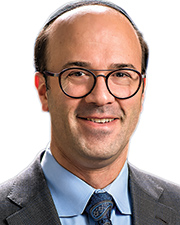
Michael Weiser is president and Justin Fitzsimmons is a research analyst at GFI Realty, New York, N.Y.


 (2).gif)





.gif)