



News:
Brokerage
Posted: August 11, 2015
Commercial Real Estate: New York City real estate: "Bubble"??? Not really
There is a perception that the rising prices in New York City real estate are indicative of a bubble - and bubbles, as we know, will inevitably burst. Investors, according to the many skeptics, have inflated the market beyond its real value, which will ultimately lead to a crash. Nothing could be further from the truth.
New York City investment is not speculative; it is based on market fundamentals. The city has a limited supply of affordable and mid-tier housing as well as undeveloped land, so despite a recent uptick in construction activity, there is every indication that the dearth of supply will continue.
It's not just the residential market, as there is significant demand for office space, as well. New York continues to be attractive to media companies as well as international firms seeking a presence in the United States, and the city's tech sector is robust and growing. Despite the construction of several major office properties, notably in Hudson Yards, the city still has a shortage of up-to-date quality office space.
What's the true indicator that New York City real estate is truly for real? It's not just our neighbors driving demand. Foreign capital has been flowing into the Big Apple because savvy international investors recognize that, compared with other major domestic and foreign real estate markets, New York provides both favorable yields and incredible stability.
Even if prices do decline, the limited supply will ensure that they do not fall very far. New York's upside is that it will continue to be one of - if not the - most popular cities, which contributes to making it one of the healthiest real estate markets in the world. The downside is that it will provide investors with yields more on par with other leading international cities, but greater stability.
And when that's your downside, it's just not called a bubble.
Michael Weiser is the president of GFI Realty Services, Inc., an affiliate of GFI Capital Resources Group, Inc., New York, N.Y.
Tags:
Brokerage
MORE FROM Brokerage
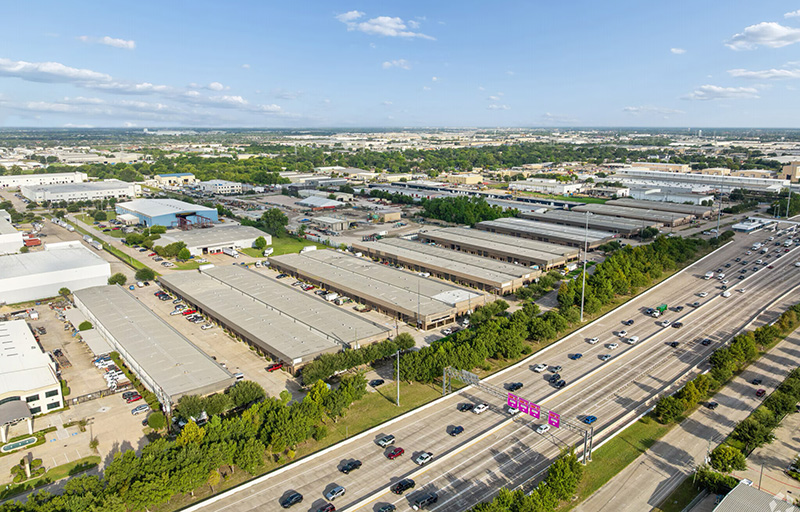
Simi Capital enters Texas with acquisition of 359,000 s/f small-bay industrial portfolio in Northwest Houston
Houston, TX Simi Capital acquired a three-property, 359,000 s/f small-bay industrial portfolio. The transaction, completed in a joint venture with Decker Capital, marks Simi


Quick Hits

Columns and Thought Leadership

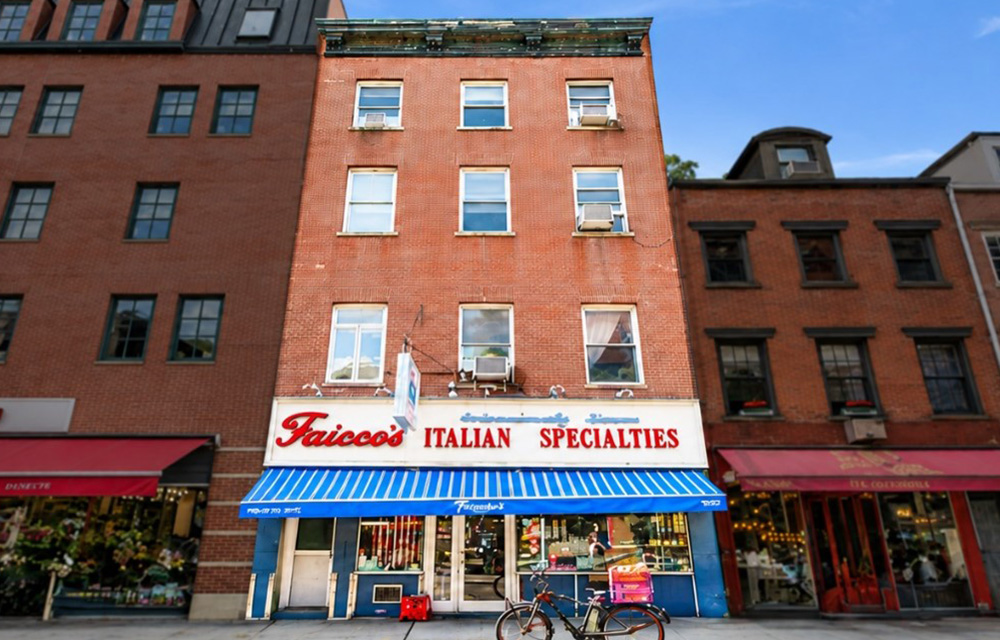
A guide to finding the right NYC property management company - by Sanjay Gandhi
Being a small to midsize landlord in NYC is an increasingly demanding endeavor. From navigating complex regulations, increased compliance demands to dealing with tenant issues and remediating violations. It is wise to enlist the assistance of a partner, a professional

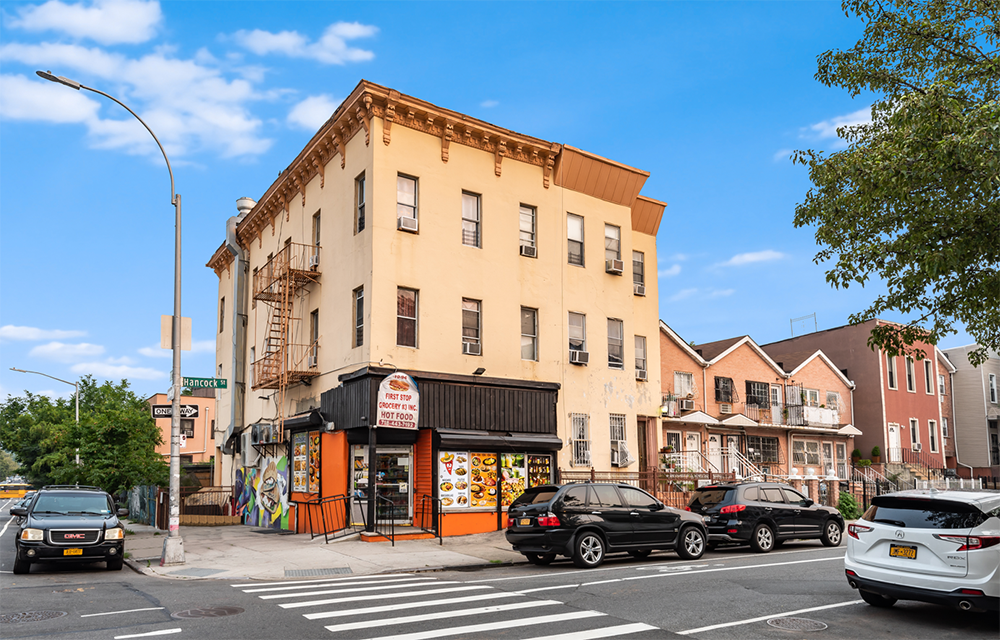
New York’s streets are full again, and the retail numbers prove it - by Noam Aziz
Walk down any New York block this year and you can feel it. The sidewalks are crowded, the storefronts are lit, and the energy that defines this city is back at full volume.

Hunt commercial real estate question and answer: Fortune 500 wisdom - by David Hunt
Yes, there are lessons to be learned from the largest companies in America when comes to managing your real estate. But the decision to buy or lease real estate may not be one of

Hunt CRE question and answer: Choosing a real estate agent - by David Hunt
First, we will only work with one agent exclusively. The primary reason is that we want that agent to legally represent our client’s interests. In New York State, a real estate agent has a fiduciary
.gif)