



News:
Brokerage
Posted: November 24, 2014
Choosing the right NYC property management company
About a year ago, we got a panicked and desperate call from John, the co-op board president of an 87-unit NYC property. We had a hard time believing what he told us, but after a bit of research, what we found was shocking. Hopefully your property isn't in nearly the crisis that John's was, but if it is, we can help you "simplify ownership" too.
Again, sometimes even we find it hard to believe what we found at John's property. As a property management company offering services throughout NYC, we thought we'd seen it all. We were wrong. The building had been managed by a nationally-known and ranked property management company. It should have been fine, but, and we can't emphasize this enough, as the property management client, you need to ask questions, get involved, and act as the partner of your new property management company. We found: Two years and $200,000 of unpaid water bills, with no vendor payments since 2012. We immediately made payment arrangements and negotiated settlements with the NYC DEP and other vendors. Although we are still in the payment process, we have reduced expenses in other areas to decrease the overall length of restitution. Once we contacted many of the vendors, they were unable to provide documentation showing what work they did (if at all), and we convinced many of them to waive 100% of the past-due amounts. Post negotiation, we average 65¢ on the dollar and have reduced the building's exposure to litigation. It had been years since rent was collected on time, and honestly, many of the tenants refused to pay because of the disrepair of the building. We established a level playing field and treated all tenants the same way. This created a new atmosphere of trust, accountability, and caretaker-ship. After only six months, we reduced the unpaid rent by 50%.
Based on the winter we had in 2014, it is completely unacceptable to have a broken boiler! The old property management company told the co-op board that the only solution was to buy a new boiler, and was pushing for the board to approve a loan through the property management's sister company to the tune of $300,000. In addition, the boiler, when it was functional, used an illegal oil and had been unlicensed since 2007. In fact, every time the building superintendent had to reset the boiler, the property management company added $100 to the monthly management bill. We attacked the boiler problem on day number one, brought in one of our trusted, expert vendors, and reduced the expected repair expense by more than $280,000.
Abdullah Fersen is the CEO of Newgent Management LLC,
Brooklyn, N.Y.
Tags:
Brokerage
MORE FROM Brokerage
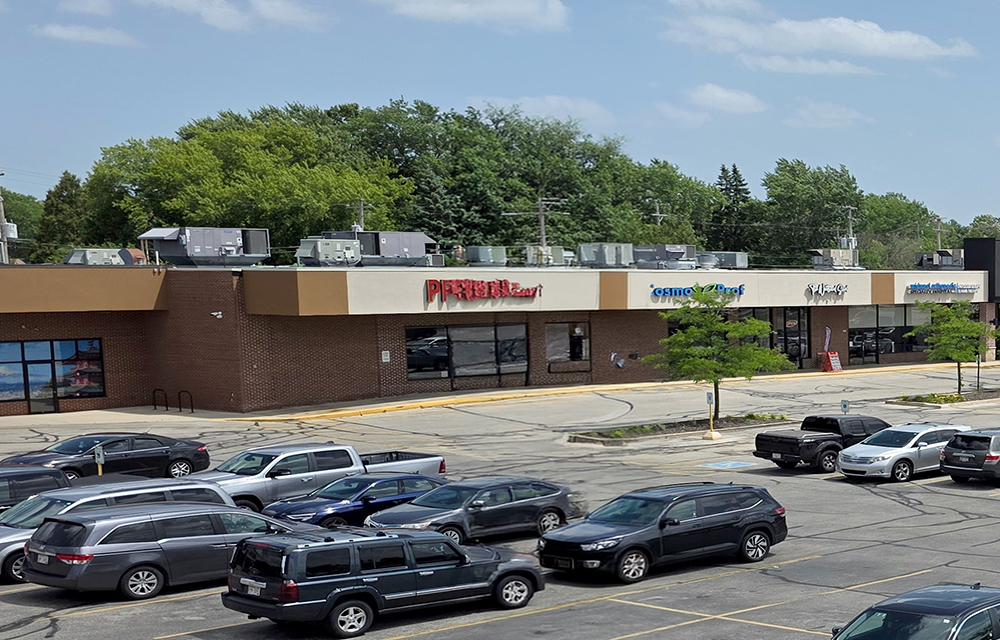
United Properties Corp. expands Wisconsin and Illinois retail presence adding 200,000 s/f
West Allis, WI United Properties Corp. completed two retail acquisitions totaling $27.4 million across Illinois and Wisconsin, adding 205,000 s/f of shopping center space to its portfolio





Quick Hits

Columns and Thought Leadership

Positive forecast for New York’s pro-housing push? - by Philip Butler
New York’s housing crisis remains a hot button topic despite growing consensus that varied and affordable housing is desperately needed statewide. Governor Hochul has recently introduced several initiatives to overcome N.Y.’s anti-housing

A guide to finding the right NYC property management company - by Sanjay Gandhi
Being a small to midsize landlord in NYC is an increasingly demanding endeavor. From navigating complex regulations, increased compliance demands to dealing with tenant issues and remediating violations. It is wise to enlist the assistance of a partner, a professional

New York’s streets are full again, and the retail numbers prove it - by Noam Aziz
Walk down any New York block this year and you can feel it. The sidewalks are crowded, the storefronts are lit, and the energy that defines this city is back at full volume.

Hunt commercial real estate question and answer: Fortune 500 wisdom - by David Hunt
Yes, there are lessons to be learned from the largest companies in America when comes to managing your real estate. But the decision to buy or lease real estate may not be one of
.gif)