



News:
Brokerage
Posted: June 4, 2010
Checklist for leasing to a rent regulated tenant
In some cities, like N.Y.C., an owner is required to give a lease to a rent regulated tenant. Whether you use a lease or not, the keys to an apartment should never be turned over to a tenant unless and until you or your rental agent follow no less than the following safeguards:
1. Have the tenant fill out and sign a written application.
2. Verify all information, employment through accounts to references. Talk to the proposed tenant's current landlord. Consider visiting their current residence or having a meal with tenants and observe.
3. Run all background checks available to you: full credit check, housing court background check, and a criminal background check. In N.Y., you are permitted to be reimbursed up to $100 of the cost of such searches. And review rental agent's due diligence.
4. Make all copies, yourself, from the originals of documents from tenant. Photocopies can be "photoshopped" to change negatives on reports or numbers on returns or stubs or statements. Do not be blinded by a tenant's offer to give you cash or extra rent or security (which is in N.Y.C. an overcharge for a regulated tenant) as a reason to skip any of these steps.
5. Take a photograph of all proposed occupants of the apartment. Have the photograph signed by the prime tenants.
6. Photograph the apartment and have the tenant sign the photographs acknowledging the condition of it before you give them the keys.
7. Wait for all checks, money orders or bank or official checks to clear. They can be stopped. Scams exist where the money orders or checks are forgeries. Once the tenant has the keys and access, you can only proceed to enforce your rights in housing court.
8. House rules? Make the tenant(s) sign a copy acknowledging receipt of them.
9. Have a written set of rules on how repairs are to be reported, including emergencies. Have the tenant sign a copy acknowledging receipt of them. Do not deviate.
10. Use appropriate leases. In N.Y.C., the Rent Stabilization Association has leases for purchase that protects owners. Include required notices and pamphlets. Even if no lease, check to see what, if any, notices or pamphlets you are required to give. (Lead? Window Guards? Etc.)
11. Tenant's movers must be insured (including workers compensation & disability). Owner and managing agent must be named as additional insured's. Verify the authenticity of the binder.
12. If permitted in your city or town, have the tenant obtain apartment dwellers insurance.
13. If in doubt, go with your gut instinct. Don't get talked into something you are uncomfortable with.
No lease? Make sure you have something in writing with the tenant stating monthly rental and any additional charges tenant is responsible for.
Remember, no good deed goes unpunished! Deviate from these rules at your own risk.
Howard Stern, Esq., is an attorney at the Law Offices of Howard Stern, New York, N.Y.
Tags:
Brokerage
MORE FROM Brokerage
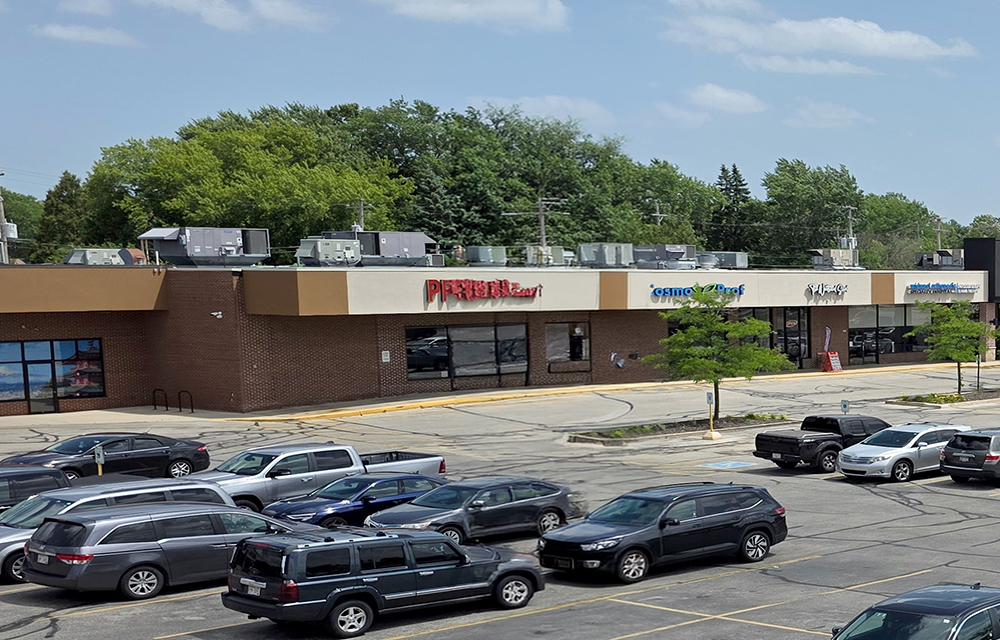
United Properties Corp. expands Wisconsin and Illinois retail presence adding 200,000 s/f
West Allis, WI United Properties Corp. completed two retail acquisitions totaling $27.4 million across Illinois and Wisconsin, adding 205,000 s/f of shopping center space to its portfolio




Quick Hits
 (2).gif)

Columns and Thought Leadership

A guide to finding the right NYC property management company - by Sanjay Gandhi
Being a small to midsize landlord in NYC is an increasingly demanding endeavor. From navigating complex regulations, increased compliance demands to dealing with tenant issues and remediating violations. It is wise to enlist the assistance of a partner, a professional

Positive forecast for New York’s pro-housing push? - by Philip Butler
New York’s housing crisis remains a hot button topic despite growing consensus that varied and affordable housing is desperately needed statewide. Governor Hochul has recently introduced several initiatives to overcome N.Y.’s anti-housing

Hunt commercial real estate question and answer: Fortune 500 wisdom - by David Hunt
Yes, there are lessons to be learned from the largest companies in America when comes to managing your real estate. But the decision to buy or lease real estate may not be one of

New York’s streets are full again, and the retail numbers prove it - by Noam Aziz
Walk down any New York block this year and you can feel it. The sidewalks are crowded, the storefronts are lit, and the energy that defines this city is back at full volume.
.gif)