



News:
Brokerage
Posted: July 21, 2008
Changes in new general permit for stormwater discharge
The new State Pollutant Discharge Elimination System (SPDES) general permit for Stormwater Discharges from Construction Activities issued by the NYS Department of Environmental Conservation (NYSDEC) in April will remain in effect for two years and includes significant changes.
Under GP-0-08-001, owners or operators of construction activities that are eligible for coverage under the new permit must obtain it not only before beginning activities but before there is an actual discharge from the construction site. The new permit includes three major changes:
The first involves construction activities located in the N.Y.C. Watershed East of the Hudson that disturb between 5,000 s/f and one acre and therefore have the potential to be a contributor of pollutants to the N.Y.C. water supply. Although owners or operators of these construction activities will be required to gain coverage under the new general permit, typically they will only have to develop a Stormwater Pollution Prevention Plan (SWPPP) that includes erosion and sediment controls.
The second major change involves construction projects located in the East of Hudson Watershed, Onondaga Lake Watershed and Greenwood Lake Watershed that are required to develop a SWPPP that includes post-construction stormwater management practices. The owner or operator of these construction activities will be required, beginning Sept. 30, to prepare a SWPP that includes post-construction stormwater management practices designed in conformance with the Enhanced Phosphorus Removal Standards included in the NYS Stormwater Management Design Manual.
The third major change involves construction activities that are tributary to waters of the state classified as AA and AA-s and will disturb land areas where the Soil Slope Phase is identified as E or F as set forth on the county soil survey. Those activities are ineligible for coverage under the general permit and would need to obtain coverage under an individual SPDES permit. NYSDEC believes it appropriate to apply the higher level of oversight associated with an individual permit. Other changes include the following:
An owner or operator of a construction activity that is subject to the requirements of a regulated, land use control MS4 shall have its SWPPP reviewed and accepted by the MS4 before submitting the Notice of Intent (NOI) to NYSDEC. On Sept. 30, the owner or operator shall have the principal executive officer or ranking elected official from the regulated, land use control MD4, or an authorized rep of that person from the regulated, land use control MS4, sign the "MS4 SWPPP Acceptance" form and then submit that form along with the NOI to NYSDEC.
For construction activities that are subject to the requirements of a regulated, traditional land use control MS4, an owner or operator with a SWPP that has not been prepared in conformance with the technical standards referenced in the general permit will be authorized to discharge in five business days from the date NYSDEC receives a complete NOI, provided the SWPPP has been reviewed and accepted by the regulated, traditional land use control MS4.
An owner or operator of a construction activity with coverage under the previous General Permit for Stormwater Discharges from Construction Activity (GP-02-01) as of the effective date of the new general permit shall be automatically permitted to discharge in accordance with it unless otherwise notified by NYSDEC. Technical/design components of a SWPPP developed under the previous permit can still be used but will be subject to the provisions of the new general permit. Construction activities that require the preparation of a SWPPP that only includes erosion and sediment control practices are identified in Table 1 of Appendix B of the permit, while those requiring a SWPPP that also includes post-construction stormwater management practices are identified in Table 2 of Appendix B.
A qualified inspector shall conduct at least one site inspection every seven calendar days. On sites where active construction has been suspended, inspections can be performed once every 30 days, provided temporary stabilization measures have been applied to all disturbed areas.
A final site inspection must be performed before submitting the Notice of Termination (NOT) to NYSDEC. The inspector must certify that all disturbed areas have achieved final stabilization; all temporary, structural erosion and sediment control measures have been removed; and that all post-construction stormwater management practices have been constructed in conformance with the SWPPP.
John Folchetti, P.E. is CEO of J. Robert Folchetti & Associates, Somers, N.Y.
Tags:
Brokerage
MORE FROM Brokerage
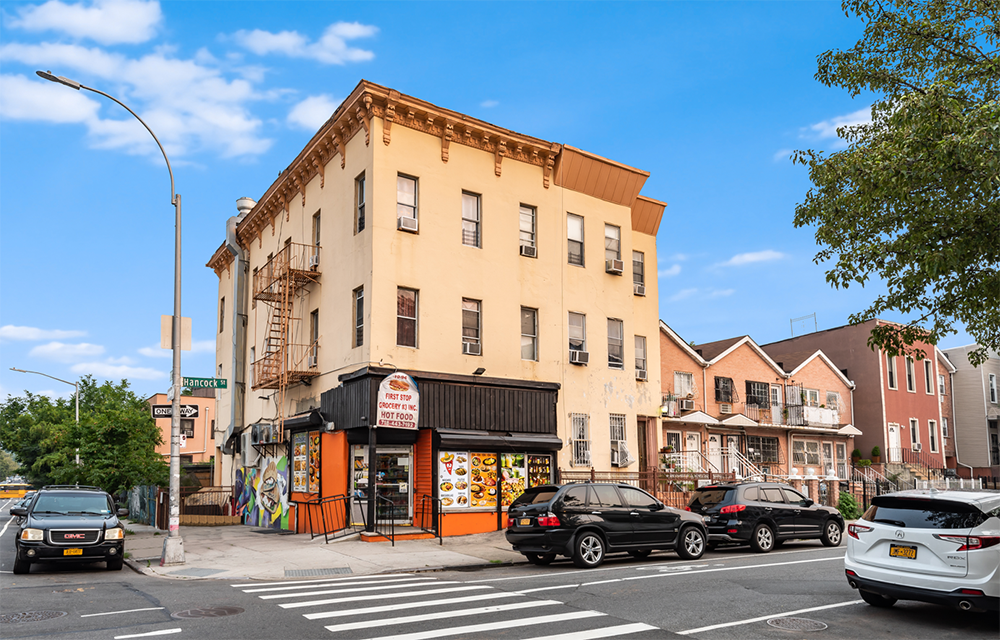
Investment Property Realty Group closes $1.75 million sale of 1094 Hancock Street in Brooklyn
Brooklyn, NY Investment Property Realty Group (IPRG), a New York-based commercial investment firm, has closed the sale of 1094 Hancock St., a mixed-use building in the Bushwick section, for $1.75 million.




Quick Hits

Columns and Thought Leadership

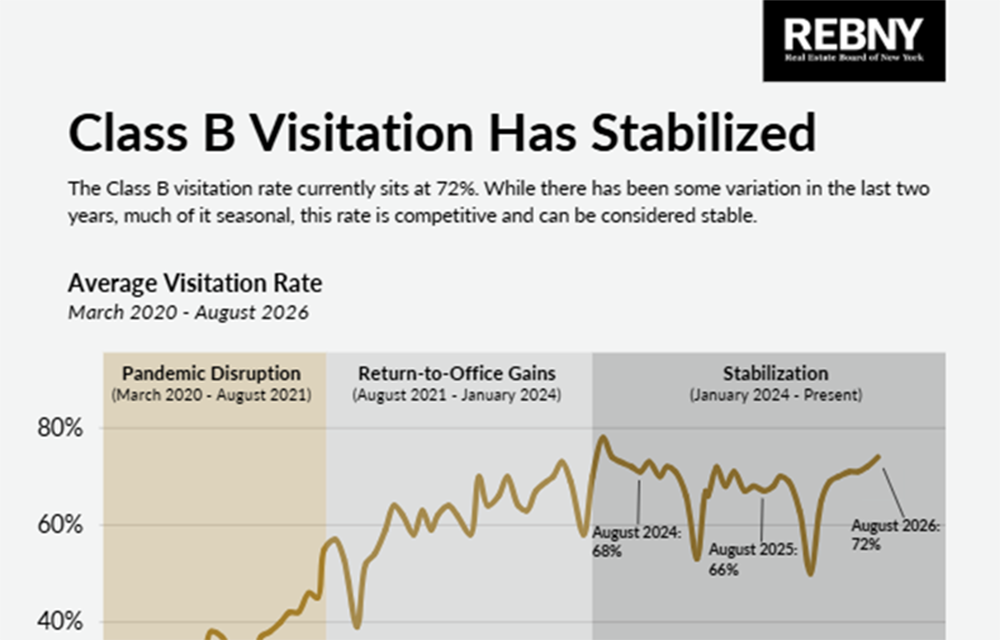
New York’s streets are full again, and the retail numbers prove it - by Noam Aziz
Walk down any New York block this year and you can feel it. The sidewalks are crowded, the storefronts are lit, and the energy that defines this city is back at full volume.

A guide to finding the right NYC property management company - by Sanjay Gandhi
Being a small to midsize landlord in NYC is an increasingly demanding endeavor. From navigating complex regulations, increased compliance demands to dealing with tenant issues and remediating violations. It is wise to enlist the assistance of a partner, a professional

Hunt CRE question and answer: Choosing a real estate agent - by David Hunt
First, we will only work with one agent exclusively. The primary reason is that we want that agent to legally represent our client’s interests. In New York State, a real estate agent has a fiduciary

Hunt commercial real estate question and answer: Fortune 500 wisdom - by David Hunt
Yes, there are lessons to be learned from the largest companies in America when comes to managing your real estate. But the decision to buy or lease real estate may not be one of
.gif)