



News:
Brokerage
Posted: October 15, 2015
Caracappa and Wexler of the Wexler Healthcare Properties Team at the Corcoran Group rep Simone Healthcare in 3,812 s/f medical office lease
New York, NY According to Simone Healthcare Development Group, a division of Simone Development Companies, Dr. Matthew Schulman, MD, PC, one of the nation’s most sought-after plastic surgeons, has leased 3,812 s/f of medical office space at the Park Avenue Medical Arts Center at 62 East 88th St. Simone Healthcare Development recently completed a comprehensive renovation, including a lobby, to enhance the property’s appeal to modern healthcare practices.
Susann Eaton and Scott Bloom of Bloom Real Estate Group represented the tenant in the long-term lease, while Kathleen Caracappa and Paul Wexler of the Wexler Healthcare Properties Team at the Corcoran Group, exclusive leasing agent for the property, represented the owner.
Only 4,213 s/f of ground floor professional space remains available at 62 East 88th St.
“We believed there would be a strong market for modernized healthcare space in this location, and we’re excited to see the evidence of that demand in the 15,000 s/f of space we have leased thus far,” said Patricia Simone, president of Simone Management Group. “This prime Upper East Side location is ideal for a growing medical practice.”
Dr. Schulman Plastic Surgery is a boutique practice that serves patients from around the globe. Dr. Schulman has assembled an office staff and surgical team that share his own personal priorities – safety, compassion, and superb results. It is among the most prestigious cosmetic surgery practices in New York City, offering a full array of surgical and non-surgical cosmetic procedures for the face and body.
“The Upper East Side is continually experiencing a shortage of large office space,” said Caracappa of the Wexler Healthcare Properties Team. “This property is one of a handful of medical properties which can accommodate 4,000+ s/f users in a white-glove, high-end luxury condominium building.”
The 19,000 s/f commercial condominium features a private entrance, separate from the 60 East 88th St. residences above, and also includes a private elevator for the medical space. Located between Park and Madison Aves., the 15-story building was constructed in 1986 and contains 18 residential units in addition to the medical condominium space.
Tags:
Brokerage
MORE FROM Brokerage
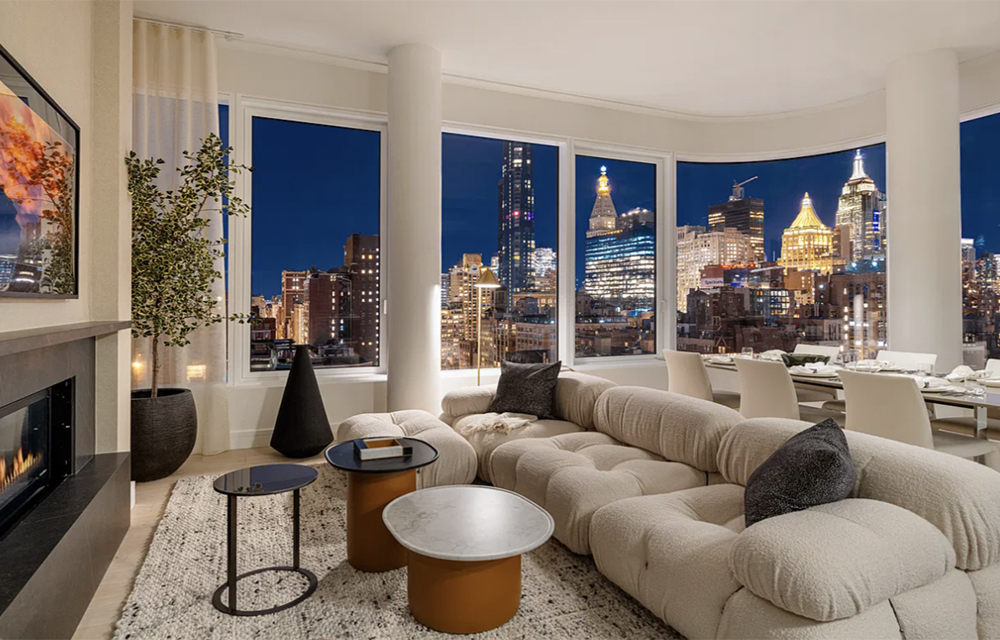
200E20TH sells out in Gramercy, penthouse A closes out sales at the CetraRuddy-designed condominium residences
Manhattan, NY 200E20TH, the CetraRuddy-designed architectural masterwork that brought a curved, contemporary sensibility to Gramercy’s Beaux-Arts streetscape, has




Columns and Thought Leadership

New York’s streets are full again, and the retail numbers prove it - by Noam Aziz
Walk down any New York block this year and you can feel it. The sidewalks are crowded, the storefronts are lit, and the energy that defines this city is back at full volume.

Hunt CRE question and answer: Choosing a real estate agent - by David Hunt
First, we will only work with one agent exclusively. The primary reason is that we want that agent to legally represent our client’s interests. In New York State, a real estate agent has a fiduciary

Hunt commercial real estate question and answer: Fortune 500 wisdom - by David Hunt
Yes, there are lessons to be learned from the largest companies in America when comes to managing your real estate. But the decision to buy or lease real estate may not be one of

The art of investing in real estate - by Thomas Donovan
Real estate investing is as much an art as it is a skill. No one can time the market, or the factors that drive it, perfectly. Location, zoning, size, transportation, and neighborhood density give you a baseline for
.gif)