



News:
Brokerage
Posted: December 22, 2007
Brown Harris Stevens and The Corcoran Group to co-broker the building sale of 23 Gramercy Park South
23 Gramercy Park South, a historic mansion whose past residents include a prominent suffragist, an anti-fascist refugee from Mussolini's Italy and the restorers of Fraunces Tavern, is on sale for $22 million by real estate mogul Michael Hirtenstein. Wendy Maitland, managing director of I.D. Marketing Group of Brown Harris Stevens, and Lauren Muss of the Corcoran Group will co-broke the sale of the historic property.
Built in 1847, the 27 ft. wide, 8,800 s/f, Greek Revival mansion features seven bedrooms, four bathrooms, four half-bathrooms, six staff rooms, three offices, a dining room, family room, living room, parlor, breakfast room and a solarium.
"This grandly proportionate four-story home represents a unique opportunity to own a single family home on one of Manhattan's most prestigious neighborhoods," said Maitland.
Designed by nationally acclaimed architect, William Bosworth, the townhouse boasts pristine architectural detail including original marble mantelpieces, mahogany doors and an eight-foot-wide museum-quality stained glass oval skylight perched atop the four-story grand stairwell.
Tags:
Brokerage
MORE FROM Brokerage
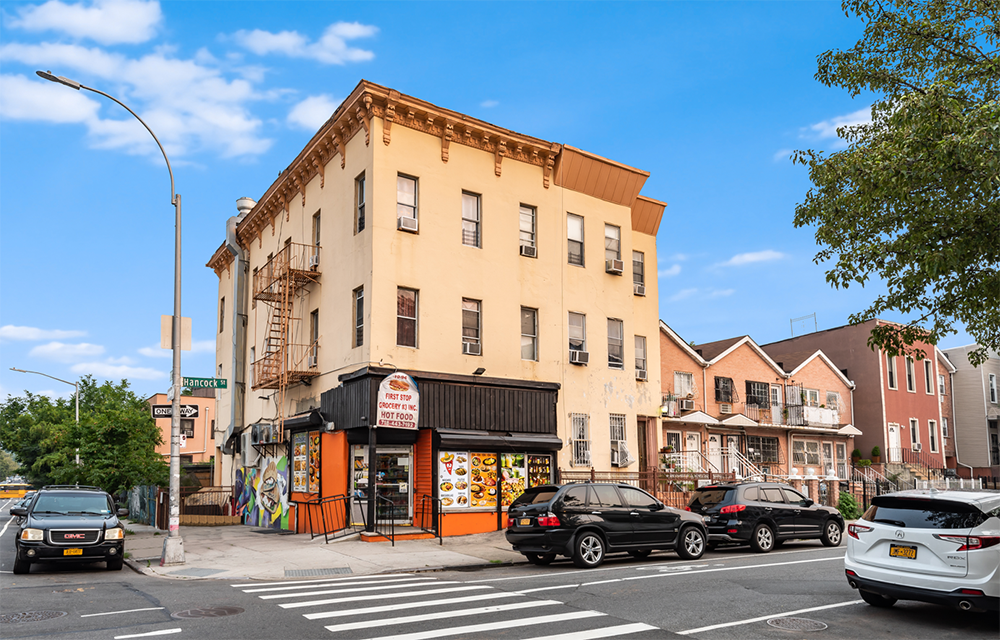
Investment Property Realty Group closes $1.75 million sale of 1094 Hancock Street in Brooklyn
Brooklyn, NY Investment Property Realty Group (IPRG), a New York-based commercial investment firm, has closed the sale of 1094 Hancock St., a mixed-use building in the Bushwick section, for $1.75 million.


Quick Hits
 (2).gif)

Columns and Thought Leadership

Hunt commercial real estate question and answer: Fortune 500 wisdom - by David Hunt
Yes, there are lessons to be learned from the largest companies in America when comes to managing your real estate. But the decision to buy or lease real estate may not be one of

A guide to finding the right NYC property management company - by Sanjay Gandhi
Being a small to midsize landlord in NYC is an increasingly demanding endeavor. From navigating complex regulations, increased compliance demands to dealing with tenant issues and remediating violations. It is wise to enlist the assistance of a partner, a professional

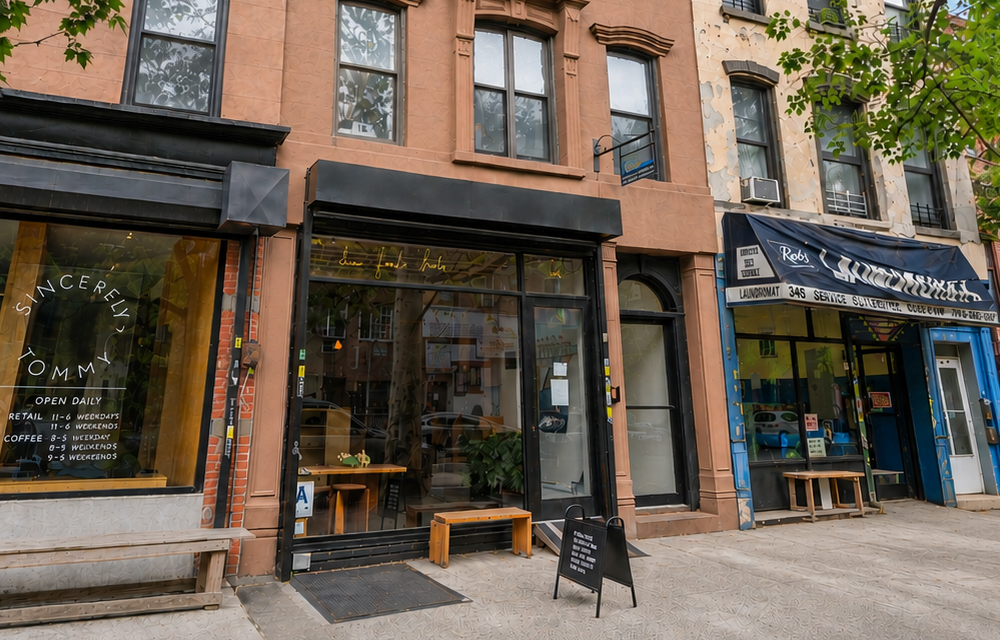
New York’s streets are full again, and the retail numbers prove it - by Noam Aziz
Walk down any New York block this year and you can feel it. The sidewalks are crowded, the storefronts are lit, and the energy that defines this city is back at full volume.

Hunt CRE question and answer: Choosing a real estate agent - by David Hunt
First, we will only work with one agent exclusively. The primary reason is that we want that agent to legally represent our client’s interests. In New York State, a real estate agent has a fiduciary
.gif)