



News:
Brokerage
Posted: October 27, 2008
BOMA simplifies going green for real estate professionals
The Building Owners and Managers Association (BOMA) International has launched the next generation of green education for commercial real estate professionals, the Sustainable Operations Series (SOS), four 90-minute Webinars that teach practical
* Course One: Making Sense of Sustainable Operations: Oct. 22, from 2 - 3:30 p.m. EST. Covers the basics of greening commercial building operations—defining key terms, exploring the best approaches and explaining green certification programs.
* Course Two: Strategies for Reducing and Reusing Building Resources: Nov. 12 from 2-3:30 p.m. EST. Highlights two key components of any good sustainable operations plan: how to reduce consumption of resources—from electricity and gas to paper and metals—and how to inventively reuse resources that have been consumed.
* Course Three: Rethinking Recycling—Beyond Paper and Cans: Dec. 3 from 2-3:30 p.m. EST. Going beyond typical paper and aluminum can recycling, learn how to identify building materials—from construction waste to light bulbs to office equipment—that can be recycled cost-effectively.
* Course Four: How Green Is My Building? Tools for Measuring the Total ROI of Sustainability: Jan. 14, 2009 from 2-3:30 p.m. EST. The final course demonstrates how to measure total ROI on sustainability—from impact on net operating income to tenant retention—and shows you how to "sustain sustainability" to continuously improve building performance.
Founded in 1907, BOMA is an international federation of more than 100 local associations and affiliated organizations. The 17,000 members of BOMA own or manage 9 billion s/f of commercial properties in North America and abroad. BOMA's mission is to enhance the human, intellectual and physical assets of the commercial real estate industry through advocacy, education, research, standards and information.
Tags:
Brokerage
MORE FROM Brokerage
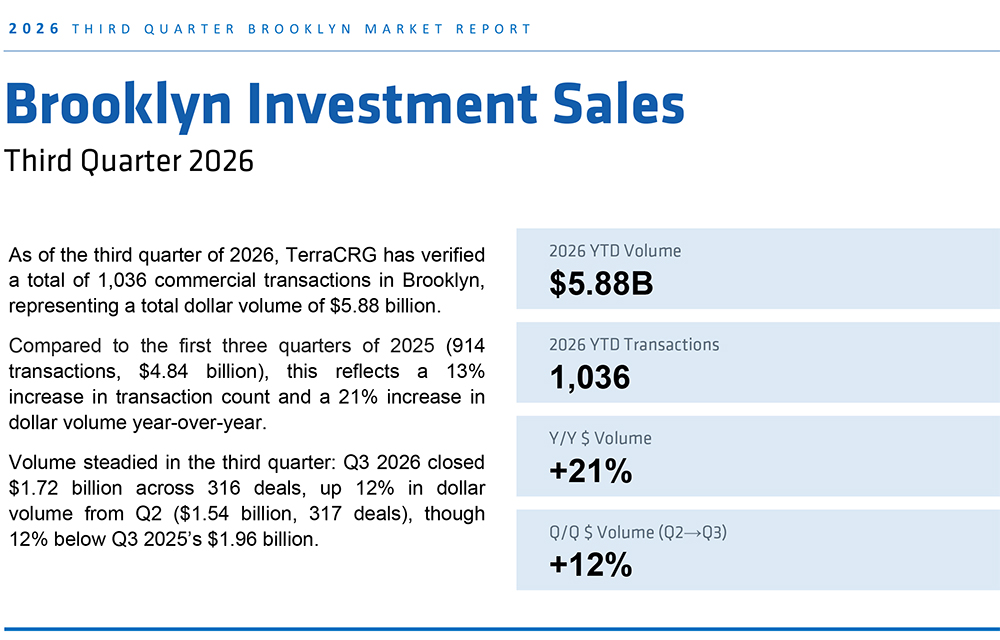
TerraCRG releases 3Q 2026 Brooklyn Market Report: Investment sales reach $5.88 billion tear-to-date, up 21%
Brooklyn, NY TerraCRG released its 3Q 2026 Brooklyn Market Report. Through the first three quarters of 2026, TerraCRG verified 1,036 commercial investment sales in Brooklyn
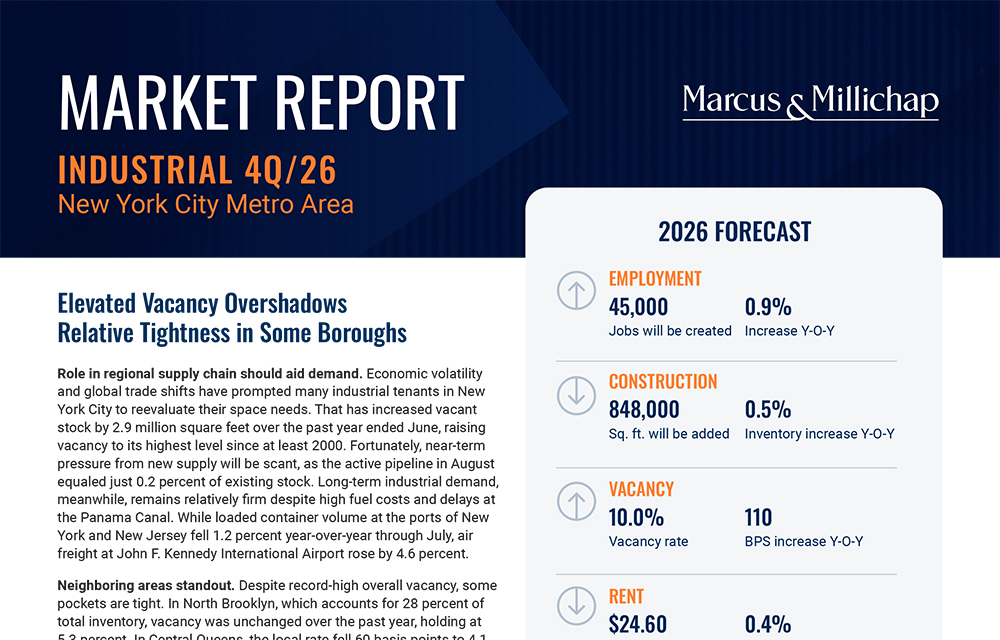
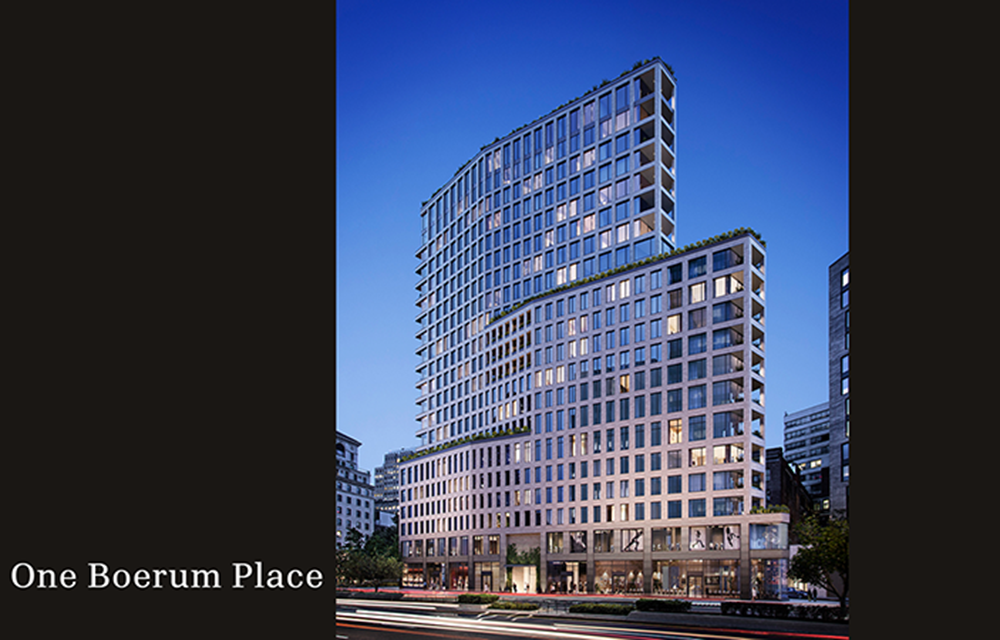

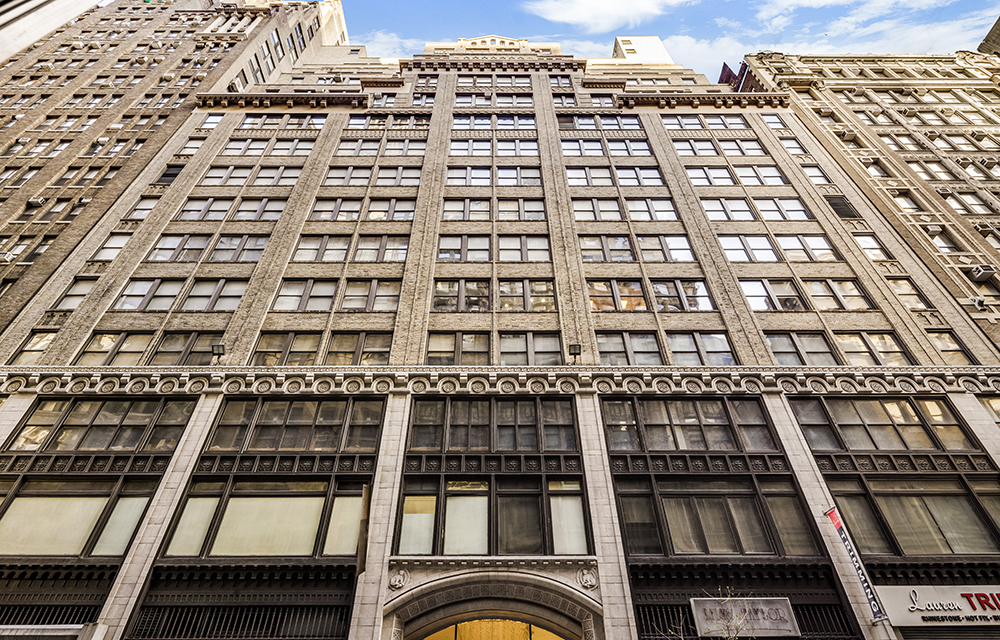


Quick Hits
 (2).gif)

Columns and Thought Leadership

New York’s streets are full again, and the retail numbers prove it - by Noam Aziz
Walk down any New York block this year and you can feel it. The sidewalks are crowded, the storefronts are lit, and the energy that defines this city is back at full volume.

Hunt CRE question and answer: Choosing a real estate agent - by David Hunt
First, we will only work with one agent exclusively. The primary reason is that we want that agent to legally represent our client’s interests. In New York State, a real estate agent has a fiduciary

Hunt commercial real estate question and answer: Fortune 500 wisdom - by David Hunt
Yes, there are lessons to be learned from the largest companies in America when comes to managing your real estate. But the decision to buy or lease real estate may not be one of

The art of investing in real estate - by Thomas Donovan
Real estate investing is as much an art as it is a skill. No one can time the market, or the factors that drive it, perfectly. Location, zoning, size, transportation, and neighborhood density give you a baseline for
.gif)