



News:
Brokerage
Posted: November 24, 2014
Baker and Fishbein of Winick rep TP Cornerstone in 1,683 s/f lease to Juice Generation at 101 Maiden Lane
Juice Generation, the juice bar with 12 locations in Manhattan and Brooklyn, signed a lease for its first Financial District location at 101 Maiden Ln., located at the corner of Pearl St. at the base of the residential complex known as 2 Gold St.
Winick president Steven Baker and Aaron Fishbein represented landlord TF Cornerstone Inc. Baker had previously leased space in the building to Tres Carnes and Fields Chicken, creating a restaurant destination on Maiden Ln. that also includes Potbelly, Chipotle, Dig Inn, Starbucks, Just Salad, Hale & Hearty, Chop't, Roti, Tous Crepes and Au Bon Pain.
"Maiden Ln. is teeming with dining options, but there was still an unmet need for a health-oriented juice concept like Juice Generation," said Baker.
"They will be a great complement to Soul Cycle, which is opening on the second floor of 101 Maiden Ln. in November," said Steve Gonzalez, director of retail leasing for TF Cornerstone. "We are pleased to welcome them to the neighborhood."
Benjamin Birnbaum of Newmark Grubb Knight Frank represented Juice Generation, which will occupy 1,683 s/f of ground floor retail space. Juice Generation is slated to open in early 2015.
Developed and owned by TF Cornerstone - a family-owned and operated real estate company focused on the acquisition, development, construction and management of fine residential, commercial and retail properties in New York and Washington, D.C. - 2 Gold St. is located in the heart of Manhattan's fastest-growing residential area. The 51-story building houses 839 rental apartments and features a heated lap-pool, state-of-the-art gym, and rooftop terrace for residents. The new Juice Generation location is in close proximity to the FDR Dr. and accessible via the 2, 3, 4, 5, A, C and J subway lines.
Tags:
Brokerage
MORE FROM Brokerage
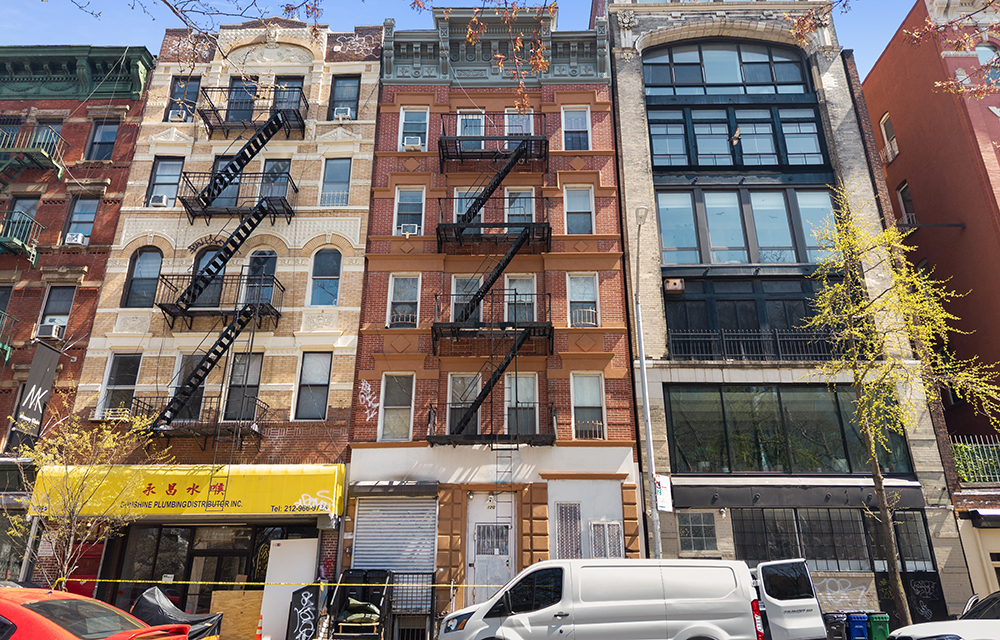
Investment Property Realty Group sells 120 Forsyth St. for $1.35 million
Manhattan, NY Investment Property Realty Group (IPRG) closed the sale of 120 Forsyth St., a mixed-use building located in the Lower East Side section of the city, for $1.35 million.



 (2).gif)

Columns and Thought Leadership

Hunt commercial real estate question and answer: Fortune 500 wisdom - by David Hunt
Yes, there are lessons to be learned from the largest companies in America when comes to managing your real estate. But the decision to buy or lease real estate may not be one of

Positive forecast for New York’s pro-housing push? - by Philip Butler
New York’s housing crisis remains a hot button topic despite growing consensus that varied and affordable housing is desperately needed statewide. Governor Hochul has recently introduced several initiatives to overcome N.Y.’s anti-housing

New York’s streets are full again, and the retail numbers prove it - by Noam Aziz
Walk down any New York block this year and you can feel it. The sidewalks are crowded, the storefronts are lit, and the energy that defines this city is back at full volume.

A guide to finding the right NYC property management company - by Sanjay Gandhi
Being a small to midsize landlord in NYC is an increasingly demanding endeavor. From navigating complex regulations, increased compliance demands to dealing with tenant issues and remediating violations. It is wise to enlist the assistance of a partner, a professional
.gif)