



News:
Brokerage
Posted: April 26, 2022
Badalov promoted to vice president of FirstService Residential’s Cityline Division

New York, NY FirstService Residential, a NY-based residential property management company, promoted Farik Badalov to vice president of the CityLine Division, a segment of the company dedicated to providing full-service property management services to condominium and cooperative properties, and professional consulting services to self-managed properties, in Brooklyn, Queens, The Bronx, Long Island and Westchester. As a vice president, Badalov oversees a dedicated team of property managers who are responsible for the management of more than 4,000 residential units across 28 multifamily buildings.
Badalov joined FirstService Residential in 2004 as an assistant property manager at Seward Park Housing Cooperative in Brooklyn. He rose steadily up the management ranks to positions of increasing responsibility, serving most recently as a managing director.
“It has been personally rewarding to witness Farik’s professional development as a company associate for nearly two decades, and as a leader of the CityLine Division for the last 11 years,” said CityLine Division president Keith Werny. “As vice president, Farik will continue to play an integral role in the CityLine Division’s continued growth, tapping into his extensive experience working with outer borough properties and his team of management professionals to deliver exceptional service and solutions that enhance the value of every property and the lifestyle of every resident in the communities we manage.”
Badalov was among the first associates to participate in the company’s Emerging Leaders Program, a rigorous program for select associates who demonstrate strong leadership potential. Aligned with one of the company’s core values to “Aim High,” the program is designed to foster professional development by increasing participants’ effectiveness as leaders in their current roles, strengthening their ability to contribute to organizational priorities and preparing them for tomorrow’s leadership.
“As New York City’s multifamily real estate sector continues a strong rebound, the needs and expectations of our boards are more focused than ever on financial return and solutions that enhance resident lifestyle,” said Badalov. “I look forward to continuing the provision of best-in-class services to our clients.”
Tags:
Brokerage
MORE FROM Brokerage
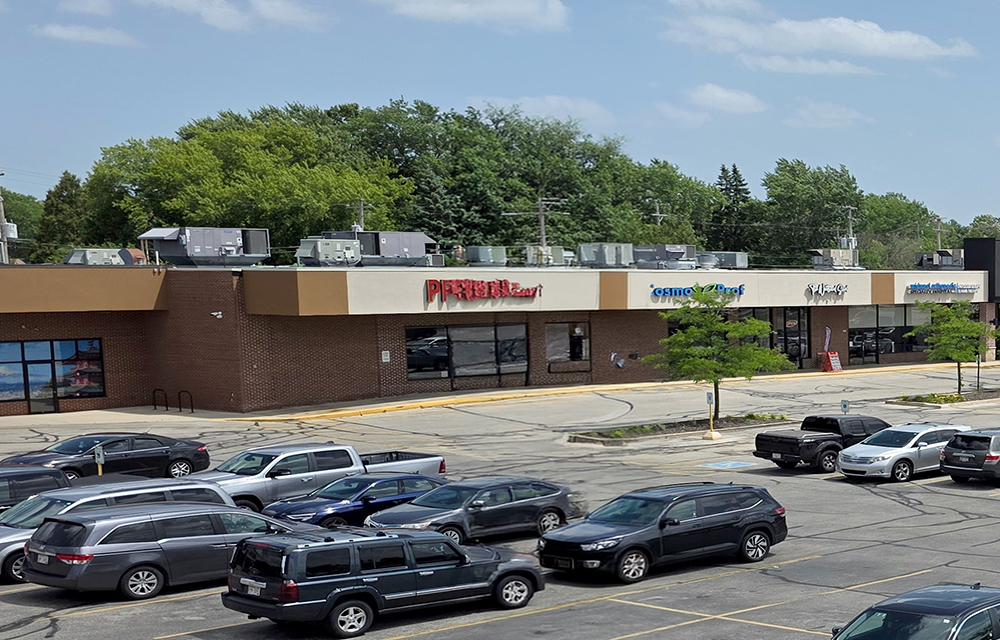
United Properties Corp. expands Wisconsin and Illinois retail presence adding 200,000 s/f
West Allis, WI United Properties Corp. completed two retail acquisitions totaling $27.4 million across Illinois and Wisconsin, adding 205,000 s/f of shopping center space to its portfolio




 (2).gif)

Columns and Thought Leadership

Positive forecast for New York’s pro-housing push? - by Philip Butler
New York’s housing crisis remains a hot button topic despite growing consensus that varied and affordable housing is desperately needed statewide. Governor Hochul has recently introduced several initiatives to overcome N.Y.’s anti-housing

New York’s streets are full again, and the retail numbers prove it - by Noam Aziz
Walk down any New York block this year and you can feel it. The sidewalks are crowded, the storefronts are lit, and the energy that defines this city is back at full volume.

A guide to finding the right NYC property management company - by Sanjay Gandhi
Being a small to midsize landlord in NYC is an increasingly demanding endeavor. From navigating complex regulations, increased compliance demands to dealing with tenant issues and remediating violations. It is wise to enlist the assistance of a partner, a professional

Hunt commercial real estate question and answer: Fortune 500 wisdom - by David Hunt
Yes, there are lessons to be learned from the largest companies in America when comes to managing your real estate. But the decision to buy or lease real estate may not be one of
.gif)