



News:
Brokerage
Posted: February 10, 2014
Ariel Property brokers sale of Bronx multifamily portfolio for $18.55 million; Sales team of Shkury, Hirschfield, Sozio, Tortorici, and Gold
POKO Partners LLC has arranged the purchase of Property Resources Corp.'s Belmont-Venezia Portfolio for $18.55 million. Ariel Property Advisors brokered the deal, which consisted of three elevatored multifamily properties in the Belmont/Little Italy section of the borough.
The project based Section 8 buildings, located at 2431 Belmont Ave., 2476 Hughes Ave., and 2404-16 Crotona Ave., contain 180 apartments and one retail unit. Of the apartments, 177 units are subject to existing HAP agreements and three are super's units. The apartments consist of 38 three-bedrooms, 77 two-bedrooms, 63 one-bedrooms, and two studios.
"POKO Partners' mission has always been to acquire properties where we can add value and upgrade the quality of life for tenants while maintaining affordability," said Kenneth Olson, president and CEO. "The acquisition of the Belmont-Venezia Portfolio represents an excellent strategic fit for our current development and management portfolios, as well as future acquisitions we are seeking. Preserving quality affordable housing requires good financial partners and in addition to our other partners, NYC HPD and its team were simply that. "
The Ariel Property Advisors' sales team of Shimon Shkury, Scot Hirschfield, Victor Sozio, Michael Tortorici, and Jason Gold represented the seller and procured the buyer.
"We are pleased that through POKO Partners the three well-maintained buildings in the Belmont-Venezia Portfolio will continue to provide affordable housing to residents in the diverse and vibrant Belmont community," said Shkury, president of Ariel Property Advisors. "This portfolio sale reflects the demand for multifamily properties in Belmont and throughout the Bronx, where in 2013 the average price per s/f increased to $112 and the average price per unit rose above $105,000."
The buildings are in the heart of the Little Italy neighborhood, with several notable nearby destinations including Fordham University and The Bronx Zoo. They also are a short walk to the popular and highly rated eateries on the famous Arthur Avenue. Easy access to Manhattan is offered at the Fordham station on the Metro North train line.
Tags:
Brokerage
MORE FROM Brokerage
Investment Property Realty Group’s Team Friedman closes five Bronx sales totaling $5.3 million
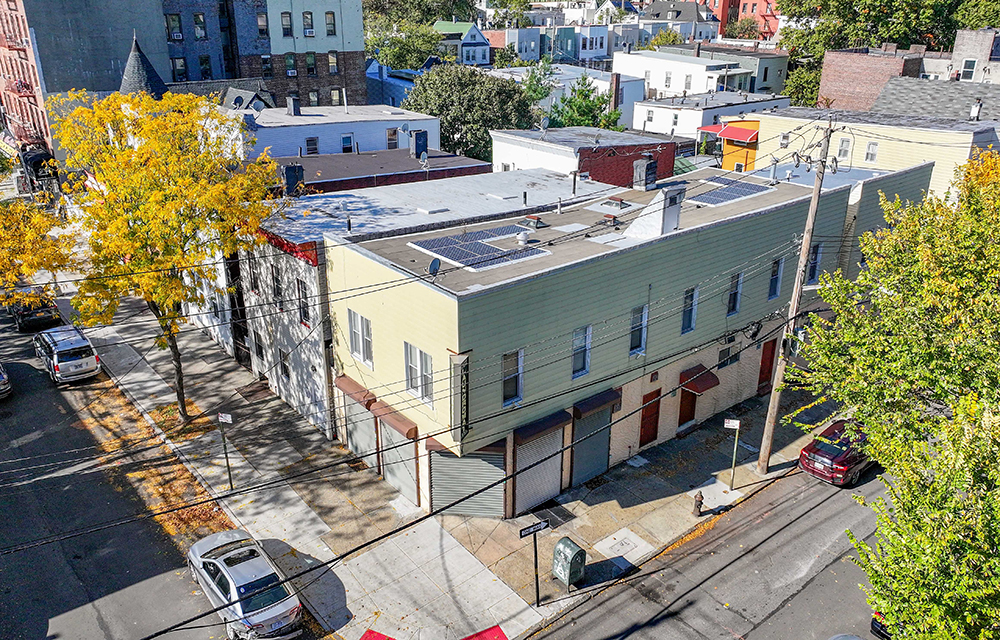
Bronx, NY Investment Property Realty Group’s (IPRG) Team Friedman closed five sales totaling $5.3 million in the month of September. • 1707 Melville St. sold for $1.35 million. Located in Van Nest, the property



Quick Hits
 (2).gif)

Columns and Thought Leadership

Positive forecast for New York’s pro-housing push? - by Philip Butler
New York’s housing crisis remains a hot button topic despite growing consensus that varied and affordable housing is desperately needed statewide. Governor Hochul has recently introduced several initiatives to overcome N.Y.’s anti-housing

A guide to finding the right NYC property management company - by Sanjay Gandhi
Being a small to midsize landlord in NYC is an increasingly demanding endeavor. From navigating complex regulations, increased compliance demands to dealing with tenant issues and remediating violations. It is wise to enlist the assistance of a partner, a professional

New York’s streets are full again, and the retail numbers prove it - by Noam Aziz
Walk down any New York block this year and you can feel it. The sidewalks are crowded, the storefronts are lit, and the energy that defines this city is back at full volume.

Hunt commercial real estate question and answer: Fortune 500 wisdom - by David Hunt
Yes, there are lessons to be learned from the largest companies in America when comes to managing your real estate. But the decision to buy or lease real estate may not be one of
.gif)