



News:
Brokerage
Posted: July 29, 2013
Applefield joins Mission Capital as a director in debt/equity finance group
Mission Capital Advisors has added Greggory Applefield as a director in the firm's growing debt and equity finance group. Applefield, was previously with Eastdil Secured as a VP in its real estate investment banking group for eight years.
The appointment comes as Mission's finance business experiences tremendous growth with over $1 billion of volume in the first half of this year for acquisitions, refinancing, recapitalization and construction projects.
"We are extremely excited about the addition of Gregg - a solid professional who can leverage our platform," said Jordan Ray, managing director and head of the debt and equity finance group at Mission. "We have worked hard to develop our business model and have been successful acquiring market share. Gregg has advised top tier real estate owners for his entire career and will be a huge asset to our existing clients and new ones."
Applefield will be responsible for business development and placement and execution of real estate capital on behalf of institutional investors and developers nationwide. Applefield has extensive experience with structuring, origination, credit analysis, marketing, bid process management, legal negotiation, and closing of first mortgages, A-Notes, B-Notes, mezzanine loans, and preferred equity for both single asset and portfolio real estate transactions and been responsible for leading deal execution.
"Mission Capital is a proven debt and equity placement platform which has completed numerous high profile transactions on behalf of many notable, institutional real estate companies," said Applefield. "As part of Mission Capital's continued growth, we will be expanding this team to the West Coast where I will be relocating in the upcoming months. I am looking forward to being a part of one of the leading financial advisory firms in the country and assisting in the growth of the platform."
His finance closings in 2011 and 2012 include: $5.5 Billion in 46 transactions with 28 different lenders including domestic and foreign commercial banks, life insurance companies, mortgage REITs, CMBS, bridge, and mezzanine lenders.
Applefield, 30, received a B.B.A. in Real Estate and Finance at the University of Wisconsin-Madison.
Tags:
Brokerage
MORE FROM Brokerage
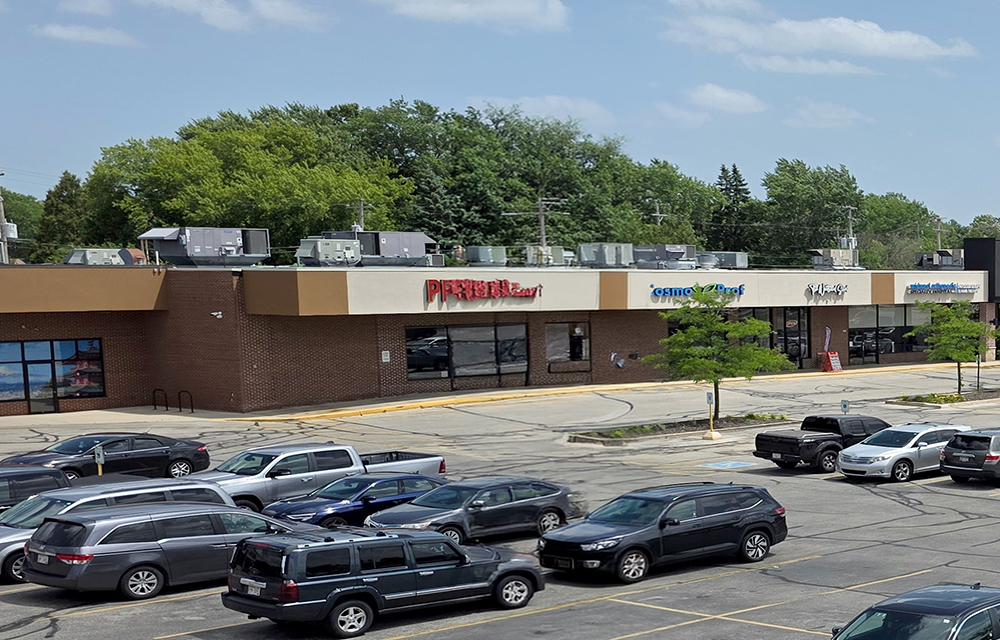
United Properties Corp. expands Wisconsin and Illinois retail presence adding 200,000 s/f
West Allis, WI United Properties Corp. completed two retail acquisitions totaling $27.4 million across Illinois and Wisconsin, adding 205,000 s/f of shopping center space to its portfolio





Quick Hits

Columns and Thought Leadership

A guide to finding the right NYC property management company - by Sanjay Gandhi
Being a small to midsize landlord in NYC is an increasingly demanding endeavor. From navigating complex regulations, increased compliance demands to dealing with tenant issues and remediating violations. It is wise to enlist the assistance of a partner, a professional

New York’s streets are full again, and the retail numbers prove it - by Noam Aziz
Walk down any New York block this year and you can feel it. The sidewalks are crowded, the storefronts are lit, and the energy that defines this city is back at full volume.

Hunt commercial real estate question and answer: Fortune 500 wisdom - by David Hunt
Yes, there are lessons to be learned from the largest companies in America when comes to managing your real estate. But the decision to buy or lease real estate may not be one of

Positive forecast for New York’s pro-housing push? - by Philip Butler
New York’s housing crisis remains a hot button topic despite growing consensus that varied and affordable housing is desperately needed statewide. Governor Hochul has recently introduced several initiatives to overcome N.Y.’s anti-housing
.gif)