



News:
Brokerage
Posted: April 22, 2025
AmTrust RE inks two leases totaling 61,000 s/f at 360 Lexington Ave.
Manhattan, NY AmTrust RE (AmTrust), made known the execution of two leases at 360 Lexington Ave., bringing the additional space leased to a combined 61,000 s/f. The new leases signed by Webster Bank and Signers National will bring occupancy at the building up 17% since the time of acquisition.
Webster Bank, a longtime tenant in the building, has signed a lease expansion and extension totaling 46,000 s/f. Webster Bank will be adding an additional 15,397 s/f to their total occupancy at 360 Lexington. The bank will now occupy three full floors of the building. Jeff Szczapa and Drew Saunders of JLL represented Webster Bank in the transaction, while Mitchell Konsker, Ben Bass, Barbara Winter and Thomas Swartz of JLL represented AmTrust RE.
“We appreciate AmTrust and our brokerage partner, JLL, in helping us expand our New York City presence,” said Michael O’Connor, head of corporate real estate, Webster Bank.
AmTrust RE is also welcoming new tenant Signers National – a group of premier insurance companies – to the building. Signers will relocate to 15,000 s/f spread across two floors in the midrise.
“Relocating to 360 Lexington is an exciting move for Signers, and we are thankful to AmTrust for their support throughout the process,” said Joshua Lamberg, CEO and founder, Signers National. “This new space will allow us to better collaborate, grow our team, and continue delivering exceptional service to our clients.”
A 268,000 s/f office property, 360 Lexington Ave. is situated in Midtown East, near Grand Central Terminal. The building is located and surrounded by several retail amenities, including a range of shopping and restaurant options. At the base of the building are retail tenants including Starbucks and Makimaki Sushi.
“We’re pleased to announce the retention and expansion of Webster Bank as well as the addition of Signers National, which will build on the vibrancy of our 360 Lexington office community,” said Jonathan Bennett, president of AmTrust RE. “The recent leasing activity not only underscores a strong desire for primely located office spaces that bolster collaboration and overall tenant satisfaction but also reflects positive leasing momentum across New York City’s office market and early signs of a significant rebound.”
Tags:
Brokerage
MORE FROM Brokerage
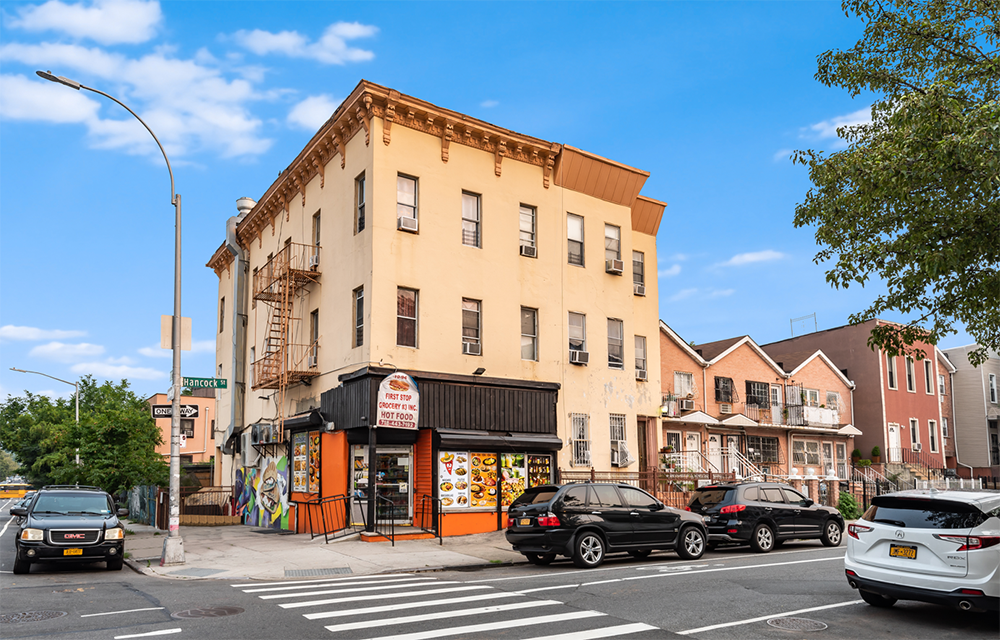
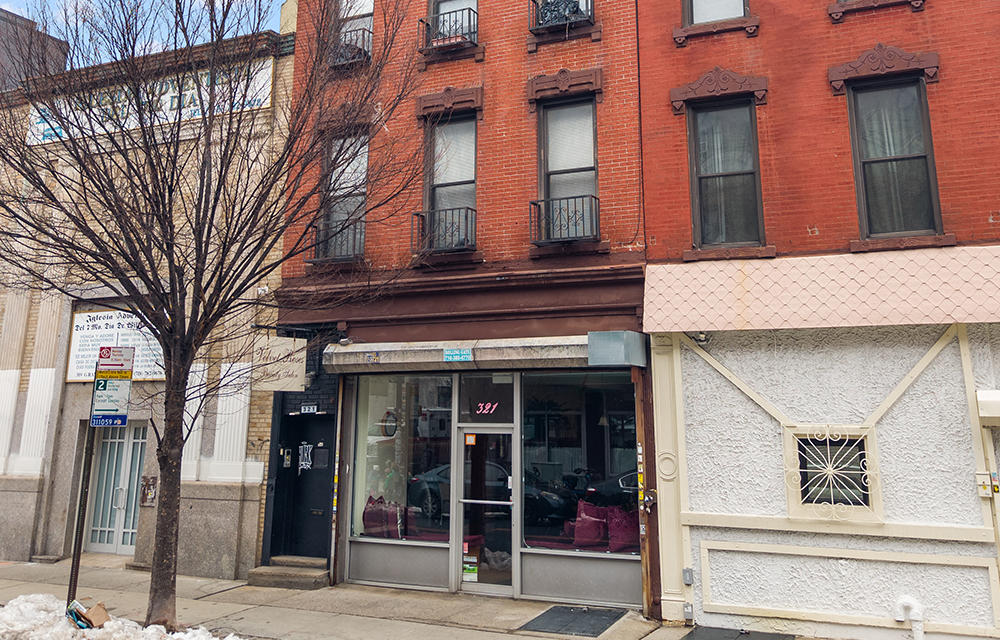
Investment Property Realty Group closes $1.75 million sale of 1094 Hancock Street in Brooklyn
Brooklyn, NY Investment Property Realty Group (IPRG), a New York-based commercial investment firm, has closed the sale of 1094 Hancock St., a mixed-use building in the Bushwick section, for $1.75 million.


Quick Hits
 (2).gif)

Columns and Thought Leadership

A guide to finding the right NYC property management company - by Sanjay Gandhi
Being a small to midsize landlord in NYC is an increasingly demanding endeavor. From navigating complex regulations, increased compliance demands to dealing with tenant issues and remediating violations. It is wise to enlist the assistance of a partner, a professional

Hunt commercial real estate question and answer: Fortune 500 wisdom - by David Hunt
Yes, there are lessons to be learned from the largest companies in America when comes to managing your real estate. But the decision to buy or lease real estate may not be one of

New York’s streets are full again, and the retail numbers prove it - by Noam Aziz
Walk down any New York block this year and you can feel it. The sidewalks are crowded, the storefronts are lit, and the energy that defines this city is back at full volume.

Hunt CRE question and answer: Choosing a real estate agent - by David Hunt
First, we will only work with one agent exclusively. The primary reason is that we want that agent to legally represent our client’s interests. In New York State, a real estate agent has a fiduciary
.gif)