



News:
Brokerage
Posted: February 5, 2015
Albany Convention Center Authority awards $17.5 million in contracts; To employ 150 skilled craftsmen over a two-year period

Gavin Donohue, ACCA
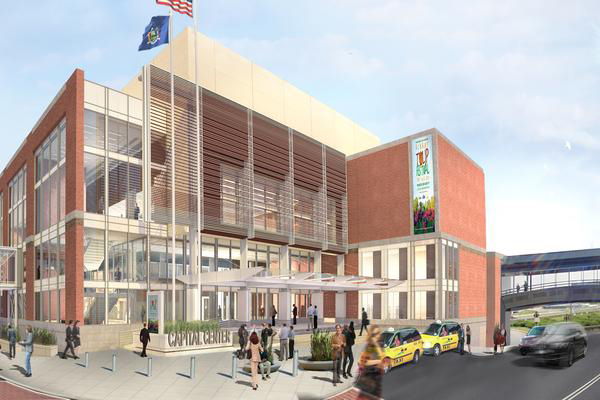
Rendering of the Albany Capital Center - Albany, NY
Tags:
Brokerage
MORE FROM Brokerage

Reynolds, Davila and Loch of Investment Property Realty Group close $3.735 million sale of 216, 218, 220 East 179th St.
Bronx, NY Investment Property Realty Group (IPRG) closed the sale of 216, 218, 220 East 179th St., a development site located in the Mount Hope section of the city, for $3.735 million.



 (2).gif)

Columns and Thought Leadership

The death of the generic offering memorandum: What buyers expect in 2025 - by Kimberly Zar Bloorian
There was a time when an offering memorandum (OM) was pretty bare bones, some photos, a few bullet points on income, and a rent roll thrown in at the back. That used to get the job done. Not anymore. In 2025, buyers are sharper, faster, and more selective. They’re looking

Artificial intelligence in lending - by Lindsay Mesh Lotito
Artificial intelligence (AI) is beginning to help transform lending by enhancing decision-making, improving risk management and streamlining operations. With AI-powered tools that analyze vast amounts of data, lenders are able to assess borrower creditworthiness more accurately and efficiently. AI can evaluate a wide range of factors,

Navigating the changing landscape of hotel Property Improvement Plans and conversion brands - by Andrew Cameron
When owners are due for a significant Property Improvement Plan (PIP), they must carefully evaluate what the best course of action is. Over the past five years, major hotel brands have become significantly more flexible with their PIP schedules.

Multi-generational multifamily owners - who’s in and who’s out - by Shallini Mehra and Amit Doshi
Many long-time property owners are divesting from their rent stabilized properties at an increasingly rapid pace. This trend has gained momentum primarily due to the unyielding permanence of rent laws over the past six years and the increasing operating costs that continue to outstrip rent growth. In addition, the judiciary’s elongated timeline in processing evictions and tenant rent challenges,
.gif)
August Promotion
