



News:
Brokerage
Posted: August 11, 2014
Albanese organization taps Sabre Real Estate Group as retail leasing agent for Wyandanch Village
The Albanese Organization, the master developer of Wyandanch Village, a 40-acre, $500 million sustainable, mixed income, transit-oriented community in Suffolk County, has selected Garden City-based Sabre Real Estate Group LLC as exclusive leasing agent for the retail portion of the project.
Sabre, the leading independent retail brokerage in the New York metropolitan area, is marketing Phase 1 retail space totaling 35,000 s/f in Wyandanch Village, one of just a few transit-oriented communities under development on Long Island. Sabre already is negotiating several leases and reports strong interest from potential tenants.
Groundbreaking on the public-private project, located in the heart of the hamlet of Wyandanch at Straight Path near the Long Island Railroad's main line, occurred in July 2013 after years of planning.
The first phase of the walkable community will consist of three buildings. The first two will be mixed-use buildings totaling about 222,000 s/f, including 177 residential units and 35,000 s/f of retail, restaurant and gallery space. The third will be a commercial building of about 91,500 s/f.
Apartments in Wyandanch Village, easily accessible from both the Long Island Expressway and Southern State Parkway, will be priced to provide living opportunities for a range of household incomes and sizes, ensuring their affordability.
"We're excited to be working with the Albanese Organization and involved in this significant new mixed use development," said Jayson Siano, managing principal of Sabre. "The proximity to residences and a new commuter rail station used by 2,000 people daily just steps away will make the retail portion of this new community extremely appealing to retailers. Moreover, reduced real estate taxes and a 15-year abatement of those taxes and utility rate reductions make the notion of leasing at Wyandach Village even sweeter."
"Many retailers already know about the benefits of transit-oriented developments like Wyandanch Village. They like that this neighborhood brings out the best of Long Island living, from its dynamic downtown to its sense of community, with a mix of shops, restaurants, cafes, park space and cultural offerings taking place both on weekends and weekdays," said Stuart Fagan, managing director of Sabre.
Tags:
Brokerage
MORE FROM Brokerage
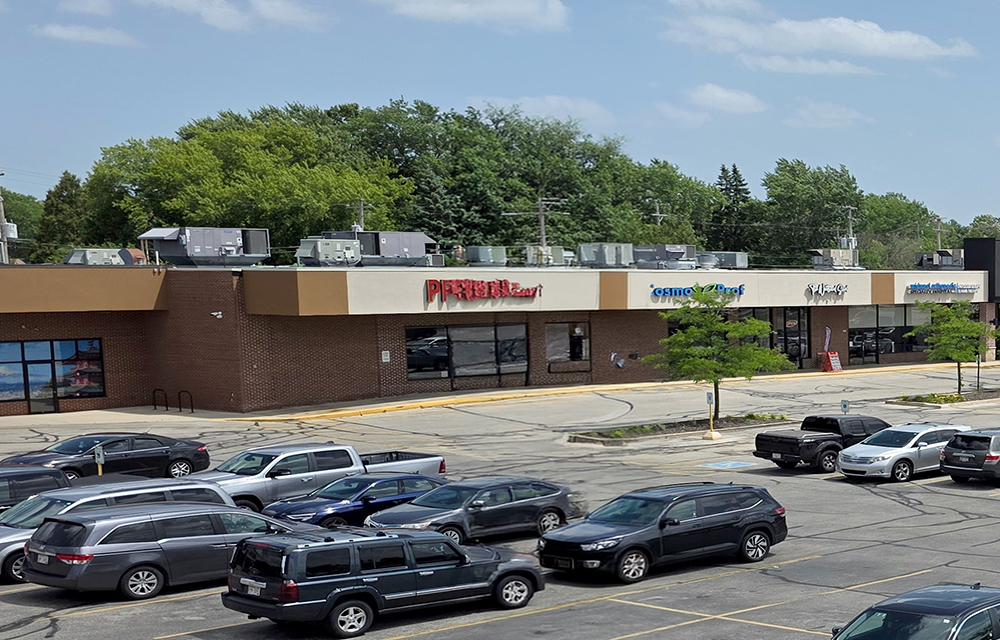
United Properties Corp. expands Wisconsin and Illinois retail presence adding 200,000 s/f
West Allis, WI United Properties Corp. completed two retail acquisitions totaling $27.4 million across Illinois and Wisconsin, adding 205,000 s/f of shopping center space to its portfolio




Quick Hits
 (2).gif)

Columns and Thought Leadership

A guide to finding the right NYC property management company - by Sanjay Gandhi
Being a small to midsize landlord in NYC is an increasingly demanding endeavor. From navigating complex regulations, increased compliance demands to dealing with tenant issues and remediating violations. It is wise to enlist the assistance of a partner, a professional

Hunt commercial real estate question and answer: Fortune 500 wisdom - by David Hunt
Yes, there are lessons to be learned from the largest companies in America when comes to managing your real estate. But the decision to buy or lease real estate may not be one of

Positive forecast for New York’s pro-housing push? - by Philip Butler
New York’s housing crisis remains a hot button topic despite growing consensus that varied and affordable housing is desperately needed statewide. Governor Hochul has recently introduced several initiatives to overcome N.Y.’s anti-housing

New York’s streets are full again, and the retail numbers prove it - by Noam Aziz
Walk down any New York block this year and you can feel it. The sidewalks are crowded, the storefronts are lit, and the energy that defines this city is back at full volume.
.gif)