



News:
Brokerage
Posted: May 16, 2017
Addressing mortgage subordination in ground leases - by Thomas Kearns
As the benefits of long term ground leases become more familiar to property owners, one issue that can be confusing is how mortgage subordination is addressed in the typical ground lease. Ground leases are particularly popular with the first generation of a family that wants to preserve the family’s interest in the property for future generations while avoiding management headaches and minimizing risk. A long term, often 99 year, ground lease provides for a stream of rent while delegating the operation and management of the property to the ground lessee, often a professional real estate developer or operator. The ground lessor gets a regular rent check with no operational expenses and doesn’t have to worry too much about the day to day operation of the building.
Ground leases universally permit the lessee to mortgage its interest in the lease. That mortgage can be a construction loan to help build or renovate the building on the property or it can be a way to generate distributions after the lessee has increased the cash flow. Understandably, this can cause concern for the lessor particularly where the property is the family’s prime asset and the family is not used to the structure. Often the lessor is used to the mortgage subordination clause in the typical space lease: “This lease is subject and subordinate to any current and future mortgage on the property.” But that’s not how it works with ground leases.
I regularly see term sheets generated for proposed ground leases and the sentence or two about mortgage subordination can be garbled. The toughest part for the lessor to understand is that the terms of the mortgage on the fee position must be subject to the terms of the mortgage on the lessee’s position. The easiest way to understand this is an example: If a casualty occurs, the lease must provide for restoration, i.e., neither mortgagee may take the insurance proceeds and pay down the loan, and the leasehold mortgagee not the fee mortgagee gets to control the restoration process. In that example, the terms of the leasehold mortgage control over the terms of the fee mortgage.
That does not mean, however, that the fee ownership could be lost by a foreclosure by the leasehold mortgagee. Far from it–the fee may be subject to the lease but the fee is not mortgaged to the leasehold lender and can’t be lost in a foreclosure by the leasehold lender. But the reverse is also true–the fee mortgagee can’t terminate the lease in a foreclosure and must be subject to the rights of the leasehold mortgagee. Here is a suggested clause for your next ground lease letter of intent: “Tenant’s interest in the lease may be mortgaged without landlord’s consent. Landlord may separately mortgage its fee estate but any such mortgage shall be subject to the terms of the lease. The lease will contain typical protections for leasehold mortgagees. Under no circumstances shall landlord be required to mortgage its fee estate to any leasehold mortgagee.”
Thomas Kearns is a partner with Olshan Frome Wolosky LLP’s real estate department, New York, N.Y.
Tags:
Brokerage
MORE FROM Brokerage
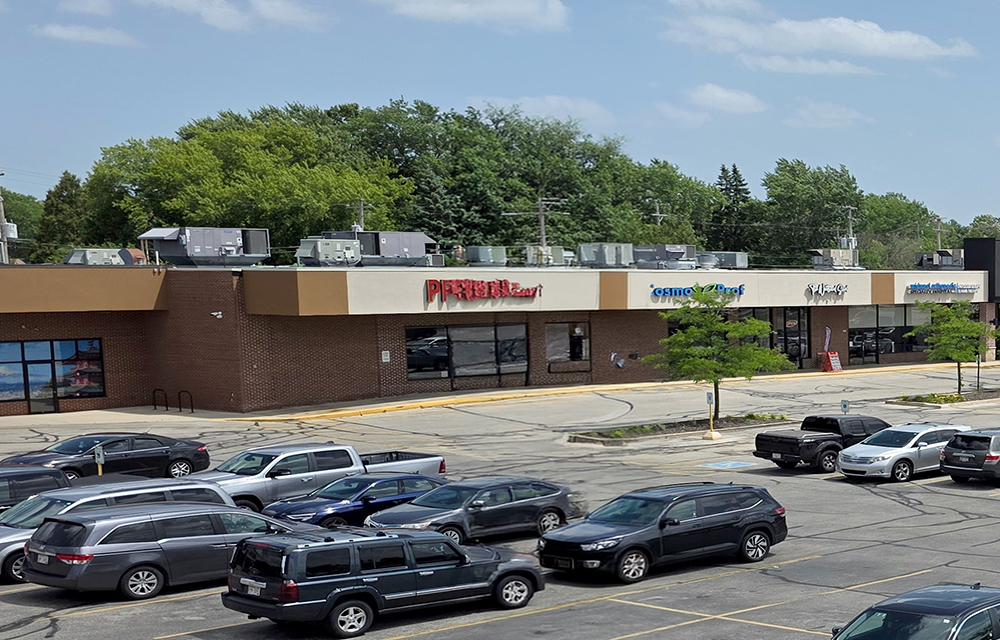
United Properties Corp. expands Wisconsin and Illinois retail presence adding 200,000 s/f
West Allis, WI United Properties Corp. completed two retail acquisitions totaling $27.4 million across Illinois and Wisconsin, adding 205,000 s/f of shopping center space to its portfolio






Columns and Thought Leadership

New York’s streets are full again, and the retail numbers prove it - by Noam Aziz
Walk down any New York block this year and you can feel it. The sidewalks are crowded, the storefronts are lit, and the energy that defines this city is back at full volume.

A guide to finding the right NYC property management company - by Sanjay Gandhi
Being a small to midsize landlord in NYC is an increasingly demanding endeavor. From navigating complex regulations, increased compliance demands to dealing with tenant issues and remediating violations. It is wise to enlist the assistance of a partner, a professional

Positive forecast for New York’s pro-housing push? - by Philip Butler
New York’s housing crisis remains a hot button topic despite growing consensus that varied and affordable housing is desperately needed statewide. Governor Hochul has recently introduced several initiatives to overcome N.Y.’s anti-housing

Hunt commercial real estate question and answer: Fortune 500 wisdom - by David Hunt
Yes, there are lessons to be learned from the largest companies in America when comes to managing your real estate. But the decision to buy or lease real estate may not be one of
.gif)