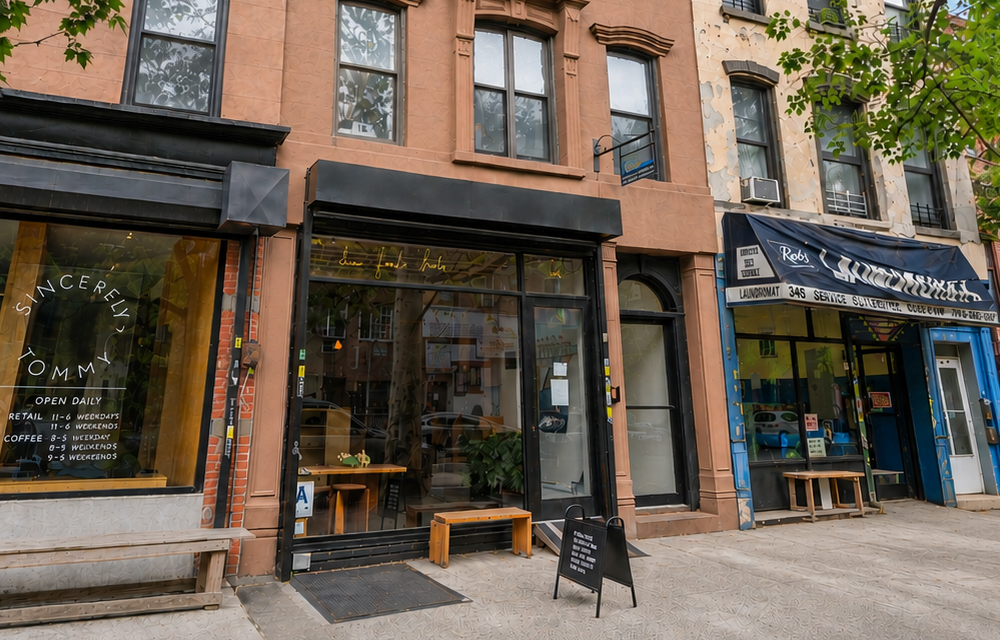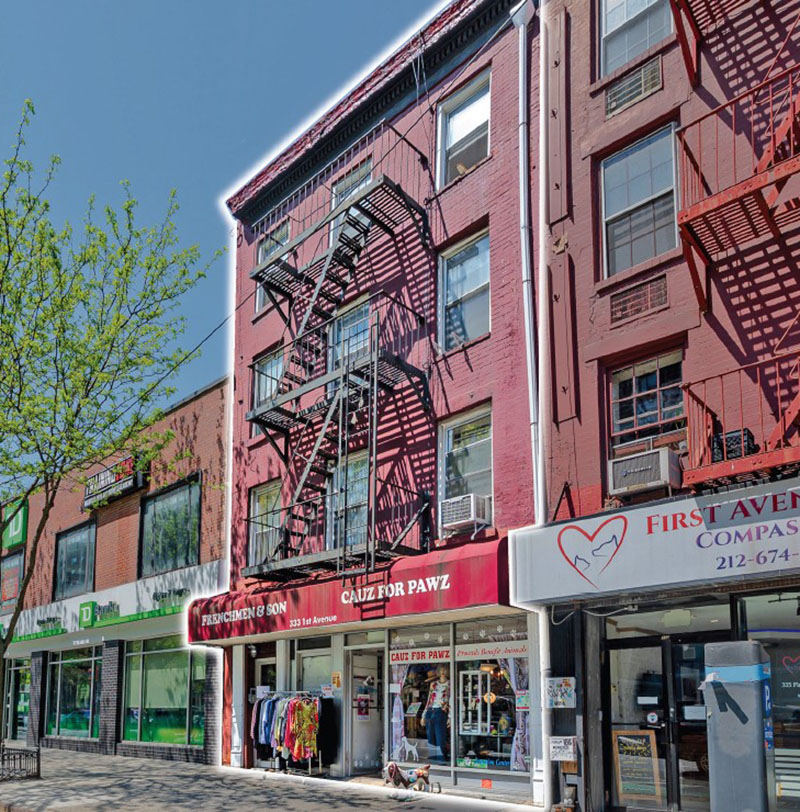




Manhattan, NY Robert Aaron of Horvath & Tremblay has completed the sale of 333 1st Ave. Horvath & Tremblay exclusively represented the seller and procured the buyer. The asset sold for $2.8 million. 333 1st Ave. is a seven unit mixed-use investment property located in the Gramercy Park neighborhood. The building is a four-story building that contains a commercial space on the ground floor and six one-bedroom/one-bathroom residential units in a 5,014 s/f building on a .042-acre parcel. 333 1st Ave. is positioned between East 19th St. and East 20th St. and is near Stuyvesant Square Park, the NYU Langone Medical Center and the Union Square district. The property has access to the MTA bus line, several subway stations, the FDR Dr., and the city’s crosstown thoroughfares. The property is 600 ft. from East 14th St. and 0.3 miles from 23rd St., two of the area’s primary commercial corridors, and offers access to restaurants, national retailers, medical offices, and neighborhood services. The property is close to multiple schools, healthcare institutions, and green spaces, and is .8 miles from Madison Square Park, and 1.1 miles from New York University (NYU).
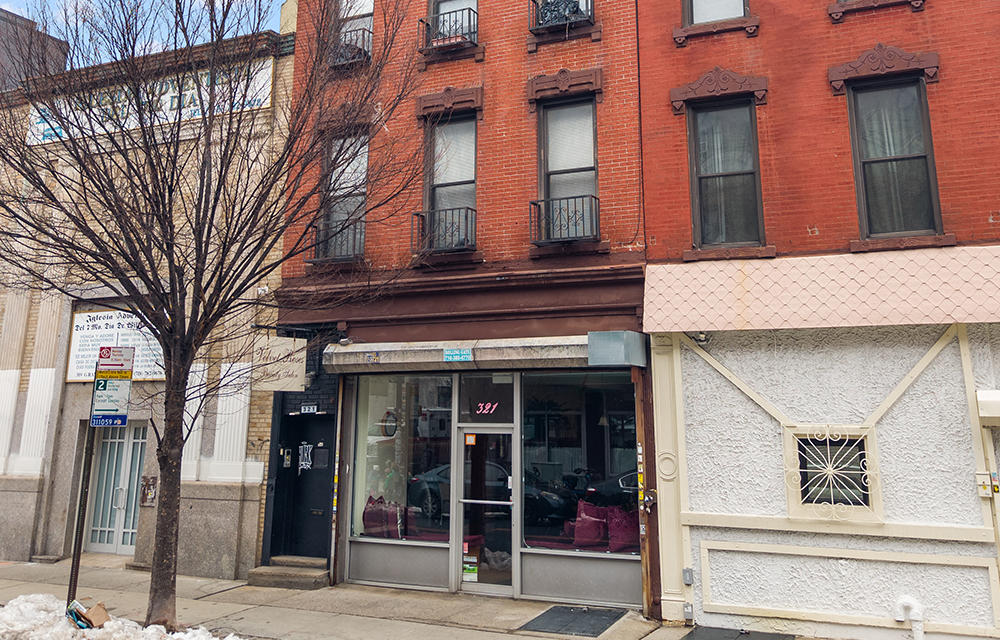
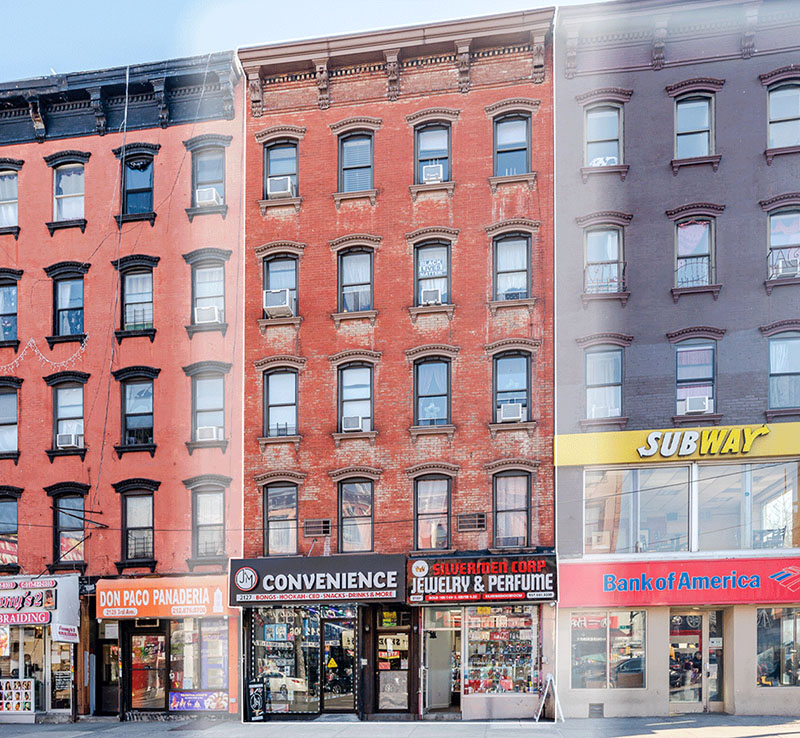
Aaron has also facilitated the sale of 2127 3rd Ave. Horvath & Tremblay exclusively represented the seller and procured the buyer. The asset sold for $1.54 million. 2127 3rd Ave. is an 11-unit mixed-use investment property located in the East Harlem neighborhood. The five-story brick building is comprised of two retail units, one office unit, seven, one-bedroom/one-bathroom units, and one studio unit in a 6,908 s/f building on a .039-acre parcel. Additionally, the property has 9,982 s/f of air rights. 2127 3rd Ave. is situated on the east side of Third Ave. between East 116th and East 117th Sts. The property has access to the MTA bus line, several subway stations, FDR Dr., I-278 and I-95, and the Third Ave., Willis Ave., and RFK Bridges. The property is .6 miles from Central Park, Marcus Garvey Park, and Thomas Jefferson Park and has access to area amenities including restaurants, retailers, businesses, and service tenants. The property is close to several area schools and is 1.2 miles from Columbia University, Hunter College, and Randalls Island.


 (2).gif)





.gif)