



News:
Brokerage
Posted: August 25, 2014
A lawyer discusses co-op and condo closings in New York with out-of-towners
The New York real estate market is unique and everyone seems to want to own an apartment here nowadays, especially non-New Yorkers. It is not unusual for someone living in California who wants to buy a co-op here to say "Buying property in New York City is like buying property in another country. The process is so different. In California, we don't even use attorneys for the closings. The brokers do everything." If that is the way people in other states feel, image how people from other countries feel when they want to buy property here. It can be a very confusing process. In fact, many of the buyers are from other countries.
As an attorney who handles many co-op and condo closings, I am frequently asked to explain the closing process to first time buyers. Many of these people have owned and closed on many properties in their lifetimes, just not here in New York City. Then there are some people who are actually buying for the first time who have lived here their entire lives.
The first hurdle in the process of buying an apartment in New York City is actually getting into the game. It is not easy to get an accepted offer when there is so much competition from other would-be buyers. Everyone wants to own property here these days, especially foreigners buying condominiums. People who want to buy places for their families to live in are competing with people who want to use those apartments as pieds-a-terre when they visit here from other states or countries. There are also so many buyers offering all cash for purchases that it is daunting for "regular folk" who want to obtain a mortgage and buy a place for their family to live in. All cash offers take a lot of the guesswork out of the process, since there is not mortgage commitment needed from a bank.
It is not unusual for someone to be told they have an accepted offer, only to find that there was another showing of the property over the weekend and someone else offered all cash. Recently, I had to teach a French client of mine, who is trying to buy an apartment, the term "bidding war." That type of offer is hard to compete with, since such offers take away all the guesswork for sellers about whether a bank will give the buyer a mortgage commitment or the deal may fall through.
Buyers also need to be told that bidding wars are not unusual and are not improper. Until there is a contract signed by both the buyer and the seller and the down payment has been deposited in escrow, there is no deal. It is not "nice" that these things can occur and disappoint buyers, but it is allowed.
Parties may go into contract, but if the deal involves obtaining a mortgage, it can be weeks down the road before the appraisal occurs and the bank advises whether they will be offering a mortgage commitment. That is a lot of uncertainty for a seller to contend with. Even being pre-approved for a loan is a less certain situation than someone who is offering all cash.
If the property is a condominium unit, there will not be any interview. However, if it is a co-op that is being purchased, there is still the possibility that even though the deal is all cash, something can come up in the interview process that could cause a problem with the deal going forward.
Often that has something to do with the certainty of someone's job and income or their savings and liquid cash. One out-of-town buyer said his company was allowing him to transfer his job from another state to New York City. The only problem was that the paperwork to prove that was true never seemed to arrive. It greatly delayed the closing and in fact, the person wound up getting a new job with another company and providing that information well into the deal. That issue can be a big one for people from other countries and their ability to prove their net worth and show investments, which is why buying a condominium may be more attractive for them.
Even though the purchase may go through, foreign buyers need to be advised about the withholding taxes they will have to pay when they sell. It can be rather complex with large sums of money being held in escrow pending a determination of how much tax is owed.
Some high profile celebrity or high net worth buyers form limited liability companies (LLCs) so that their identity will not be disclosed. This requires some additional work in setting up the necessary documents in order to close and give the party who will be signing the authority to do so.
Closings are not complex transactions. They just require some planning.
C. Jaye Berger, Esq., is the principal of Law Offices C. Jaye Berger, New York, N.Y.
Tags:
Brokerage
MORE FROM Brokerage
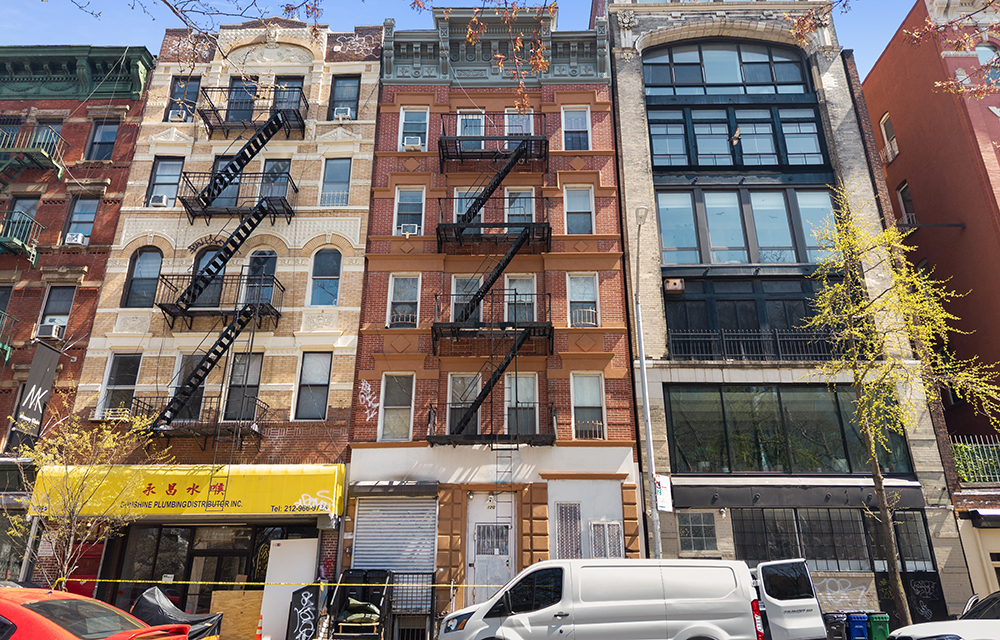
Investment Property Realty Group sells 120 Forsyth St. for $1.35 million
Manhattan, NY Investment Property Realty Group (IPRG) closed the sale of 120 Forsyth St., a mixed-use building located in the Lower East Side section of the city, for $1.35 million.





Columns and Thought Leadership

A guide to finding the right NYC property management company - by Sanjay Gandhi
Being a small to midsize landlord in NYC is an increasingly demanding endeavor. From navigating complex regulations, increased compliance demands to dealing with tenant issues and remediating violations. It is wise to enlist the assistance of a partner, a professional

Positive forecast for New York’s pro-housing push? - by Philip Butler
New York’s housing crisis remains a hot button topic despite growing consensus that varied and affordable housing is desperately needed statewide. Governor Hochul has recently introduced several initiatives to overcome N.Y.’s anti-housing

Hunt commercial real estate question and answer: Fortune 500 wisdom - by David Hunt
Yes, there are lessons to be learned from the largest companies in America when comes to managing your real estate. But the decision to buy or lease real estate may not be one of

New York’s streets are full again, and the retail numbers prove it - by Noam Aziz
Walk down any New York block this year and you can feel it. The sidewalks are crowded, the storefronts are lit, and the energy that defines this city is back at full volume.
.gif)