



News:
Brokerage
Posted: August 11, 2014
9 online marketing tips to drive website traffic
Whether you are a real estate company trying to raise awareness or a developer and/or broker promoting a residential property to buyers, a carefully planned digital campaign is essential to overall real estate marketing efforts. And while the online landscape can be daunting, there are tools available to help guide and execute an effective digital strategy.
Don’t base key decisions on hunches; utilize readily available tools to gather information in order to make informed marketing decisions. By following the tips below, you can begin to reach key buyers, increase website traffic, and drive customers.
Tip 1 – Understand Search Engine Optimization (SEO). The key to a successful digital campaign often starts with Search Engine Optimization, commonly referred to as SEO. Simply put, SEO is favorable positioning on search engines – i.e. making it easier for buyers and/or renters to find you online, and to discover information that is favorable to your brand or property. When implemented properly, it leads to impressive surges in web traffic and, eventually sales.
There are two primary components of SEO – on-page and off-page – and it is imperative to focus on both. The website MOZ provides valuable resources for self-teaching. If you don’t have the time or inclination, hire an outside professional, ideally one with experience in the real estate industry. And if all else fails, focus on generating distinctive, shareable content. In the world of search engines, great content trumps all.
Tip 2 – Identify Your Keywords. A successful SEO campaign is rooted in maintaining a dynamic website, with rich keywords and strategic descriptions designed to match the queries that your audiences enter into a search engine.
It’s important to understand the relevant keywords for your business, and the competition for these keywords across the Internet. Incorporating keywords into your web content helps your site become more easily searched. Google has a tool called Keyword Planner that allows you to see the volume of searches by keyword and by geography. It is best to pick 5 to 10 keywords with high search and relatively low competition from other websites, and create a campaign employing those terms naturally throughout your online copy.
Tip 3 – Maintain Dynamic Website Content. A website should consist of dynamic, changing content. Dynamic websites almost always perform better in search rankings than static sites. To do this, add a press page or news section to your site and make sure the content includes your keywords. The content you create should be relatively topical, but every post need not directly pertain to real estate.
For example, if you are selling apartments on the Upper West Side, you should do some blogging about the Upper West Side real estate market but you can also include pieces on new boutiques or restaurants opening up in the area.
Tip 4 – Involve Your Programmer. The things you can’t see on a website can be just as important as the content you can. Since most of us aren’t programmers, make sure to tell your web developer what keywords you would like to focus on. He or she can help incorporate these into the structural attributes of a site, such as page titles and website addresses, furthering your competitive edge. Note that few programmers double as SEO professionals, so expect to approach them armed with information and specific directives.
Tip 5 – Liaise With Key Online Influencers. As part of an off-page SEO campaign, it is beneficial to liaise with key influencers and bloggers in the real estate industry. Encourage influencers and voices in the community to write about what you are doing, and link back to your site. Articles linking back to your site help increase your search engine rankings. You might consider writing a guest post about an industry trend for a real estate blog.
Tip 6 – Architect Your Website For Mobile. A corporate and/or real estate website should be designed to be responsive. This type of site will acclimate properly on mobile devices such as smartphones and tablets. This allows audiences to easily view and interact with a site from a mobile device.
Tip 7 – Incorporate Smart Text and Imagery in Web Design. When developing a new website or considering a refresh to an existing site, keep in mind the importance of incorporating key text, especially on the homepage. Text still remains king when improving a site’s search engine rankings. Flash website designs are almost obsolete at this point, however, powerful imagery is essential. Beware of splashy intro pages, though.
Tip 8 – Consider Pay-for-Click Advertising. Paid services, like Google AdWords or Yahoo Search Ads, are another way you can drive traffic to a website. These services allow an unprecedented degree of microtargeting. Marketers can direct advertisements to prospective clients based on their query, and only pay for the people who click through to visit their website.
While you only pay for the clicks you accrue, a cautious approach is recommended. It may be best to hire a professional to handle this aspect of your digital campaign, since the bidding formula is complicated and Google, Microsoft or Yahoo have a lot to gain from poorly conceived bidding.
Another option is to take advantage of third-party advertising platforms to run image-based advertisements on multiple websites at once. Google has a Display Network where you select a website for online advertising such as Forbes.com, or even the Wall Street Journal online. You then set your maximum bid for each click. If there’s remnant space available and they accept your bid through the automated process, you can run banner-style advertisements on the selected site.
Tip 9 – Utilize Video On Your Website. As more people seek multi-media experiences online, video is appearing higher in search results. Consider hosting a video on your site – whether it’s an introductory or how-to type video. The video can be added to external platforms such as YouTube to maximize exposure.
With constant oversight and some tweaking, your digital marketing campaign can lead to increased website traffic and can help get new buyers and business leads in the door.
Jared Seeger is CEO of Knightsbridge Park, New York, N.Y.
Tags:
Brokerage
MORE FROM Brokerage
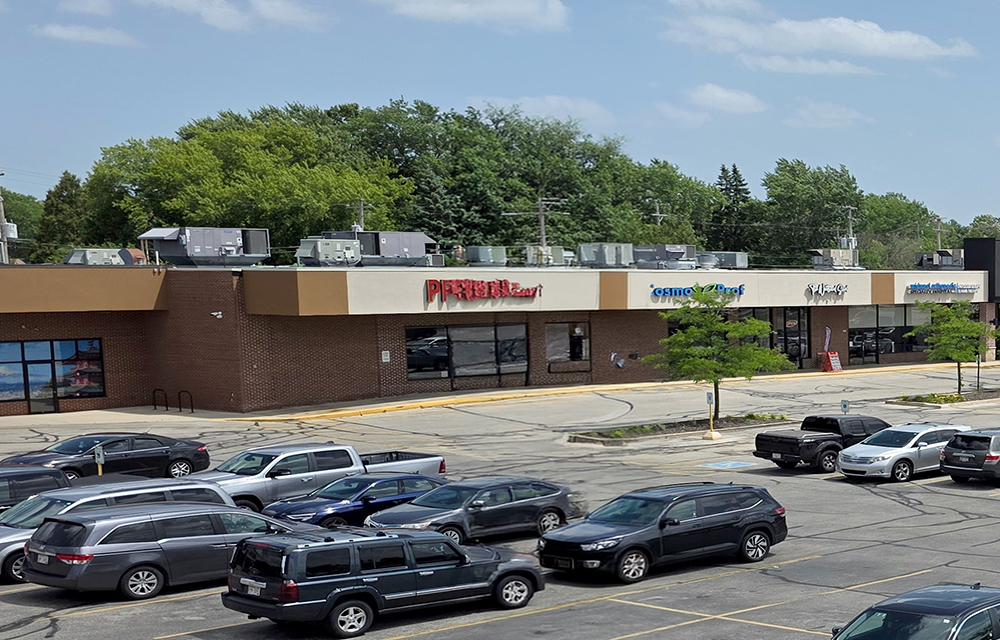
United Properties Corp. expands Wisconsin and Illinois retail presence adding 200,000 s/f
West Allis, WI United Properties Corp. completed two retail acquisitions totaling $27.4 million across Illinois and Wisconsin, adding 205,000 s/f of shopping center space to its portfolio






 (2).gif)

Columns and Thought Leadership

Positive forecast for New York’s pro-housing push? - by Philip Butler
New York’s housing crisis remains a hot button topic despite growing consensus that varied and affordable housing is desperately needed statewide. Governor Hochul has recently introduced several initiatives to overcome N.Y.’s anti-housing

New York’s streets are full again, and the retail numbers prove it - by Noam Aziz
Walk down any New York block this year and you can feel it. The sidewalks are crowded, the storefronts are lit, and the energy that defines this city is back at full volume.

A guide to finding the right NYC property management company - by Sanjay Gandhi
Being a small to midsize landlord in NYC is an increasingly demanding endeavor. From navigating complex regulations, increased compliance demands to dealing with tenant issues and remediating violations. It is wise to enlist the assistance of a partner, a professional

Hunt commercial real estate question and answer: Fortune 500 wisdom - by David Hunt
Yes, there are lessons to be learned from the largest companies in America when comes to managing your real estate. But the decision to buy or lease real estate may not be one of
.gif)