


 (2).gif)
News:
Spotlight Content
Posted: June 24, 2025
2025 Ones to Watch - Rising Stars: Joseph Heins, Phillips Lytle LLP
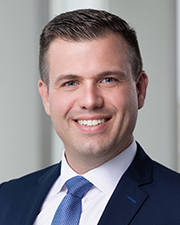
Special Counsel
Phillips Lytle LLP
“Joe is undoubtedly a rising star. He thoroughly understands the ins and outs of a real estate transaction and is increasingly getting involved with more complicated transactions and real estate development projects. These include matters involving acquisitions of real property from governmental entities (by sale or lease) and projects with financing that relies on tax credits (historic, affordable, brownfield and new market). Joe also understands that the approach to each deal is based on the client and their needs and that every deal has its own issues and challenges.” - Adam Walters, Partner, Phillips Lytle LLP.
What is your top advice for someone just starting out in your field? Your reputation is your most valuable asset - this includes both your professional reputation (the quality of your work) and your personal brand (the quality of your person). It can take a long time to build your reputation, so be patient. From the very beginning, always take the time and make the effort to ensure that your work product is the best it can be, and never stop learning and growing. Represent your client zealously, but act with integrity and treat people fairly. Do these things day in and day out; otherwise, if you are careless, your reputation can be tarnished very quickly.
Who has been pivotal in your professional development, and how have they influenced you? For five years, I worked as senior in house counsel at one of the largest privately-held real estate development companies in the United States. I had the opportunity to work closely with the company principals on a daily basis, and they provided me with a master class in the business of real estate - everything from cap rates and cash flow to development structures and property management. More than that, they taught me the importance of “thinking like a business owner” even when providing legal advice, and I now use that mindset in private practice for the benefit of my clients.
Tags:
Spotlight Content
MORE FROM Spotlight Content
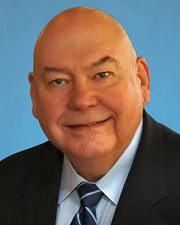
The commercial classroom: Capital gains taxes - by Edward Smith
Generally, when you sell the home you live in and any commercial property you own, it may be subject to capital gains taxes. Always, before you take a listing, advise your client to speak to their accountant about




.png)

Quick Hits
 (2).gif)

Columns and Thought Leadership

From vacancy to vitality: How adaptive reuse is reshaping Long Island’s CRE landscape - by Andrea Tsoukalas Curto
Adaptive reuse has become one of the most important conversations in commercial real estate today. Long Island has a large inventory of aging retail, office and industrial

CRE Guide Featured Company: Merritt Environmental Consulting Corp.
Merritt Environmental Consulting Corp. (MECC) was established in June of 2009 after being part of a larger engineering firm for almost 20 years. The focus of the company is to assist lending institutions, attorneys, real estate investors, and property owners with environmental concerns. Today, MECC has offices in New York, Florida, and Vermont and has grown into a regional consulting firm serving clients along the East Coast.

2026 Developing Queens: Long Island Board of Realtors advances commercial growth and advocacy in Queens
The Long Island Board of Realtors (LIBOR) Commercial Network continues to play a key role in advancing opportunities and strengthening the commercial real estate landscape across Queens. Through targeted programming and global outreach

2026 Developing Long Island: ERG Commercial Real Estate launches its new Retail Leasing division
North Hempstead, NY ERG Retail Leasing is the dedicated leasing division of ERG Commercial Real Estate, an established full-service commercial real estate brokerage for over 35 years.