



News:
Brokerage
Posted: January 12, 2015
10 ways to protect your vacant building
Whether your building is vacant due to a sluggish economy or for some other reason, it's important to ensure that it's kept as safe as possible. Vacant commercial buildings can create a number of risk-related challenges. Regardless of whether your property is vacant for only a few days or a few months, the risks related to a vacant building can result in the potential for expensive losses and liability. By following the steps listed below, you can identify potential hazards and learn to reduce those risks while controlling losses.
1. Notify your insurance company about the vacancy. This will help to ensure that property coverage can be continued. Ensuring that your property has the right insurance coverage will improve the likelihood that you are adequately protected.
2. Weather-related risks can be of particular concern for vacant buildings. To protect your property, consider installing low temperature alarms to help prevent damage from freezing temperatures.
3. Maintenance is vital for all buildings, but becomes even more important when the building is vacant. Toward that end, be sure that all fire protection, sprinkler, and detection systems are kept in service. Make certain that all fire protection systems are serviced on a quarterly basis to ensure that they're working properly.
4. Make a point of inspecting the building roof, if it's accessible, in order to evaluate it for potential exposure, such as vegetation growth, clogged roof drains, damage from recent storms, or even evidence of unauthorized access.
5. It's also a good idea to shut off all utilities that aren't necessary for security or protection in the building. For instance, consider shutting off the supply line to the water heater.
6. Be sure to conduct frequent walk-throughs of the property. This should be done at various times of the day, so that you're able to note any changes that have taken place. Tour frequencies may vary based on the location of the property, but at a minimum, tours should be conducted once per week. High-value properties may require more frequent walk-throughs.
7. Caulk the seams and cracks in all window frames and doors as well as siding, roofs, and vents. Doing so can help to make the building more energy efficient while also protecting it from weather-related damage.
8. Insulate pipes and keep the gutters clean. This will help to prevent leaks that might go unnoticed in a vacant building, leading to serious damage.
9. Consider hiring a guard service or ask the local police department if it can include the property in a regular nightly tour. This can help to deter potential vandalism of vacant properties.
10. Remove any hazardous materials or debris from the building, including combustibles, chemicals, and pollutants that could present the potential for contamination, leaks, or fire.
Vacant buildings often present the potential for damage from a variety of sources, including weather-related issues and vandalism. If you need coverage for your vacant property Evergreen Insurance provides a variety of insurance product options, including vacant building coverage. To learn more about how you can reduce your insurance premiums, contact one of our representatives today.
Izzy Green is president and CEO of Evergreen Insurance & Risk Management, Monsey, N.Y.
Tags:
Brokerage
MORE FROM Brokerage
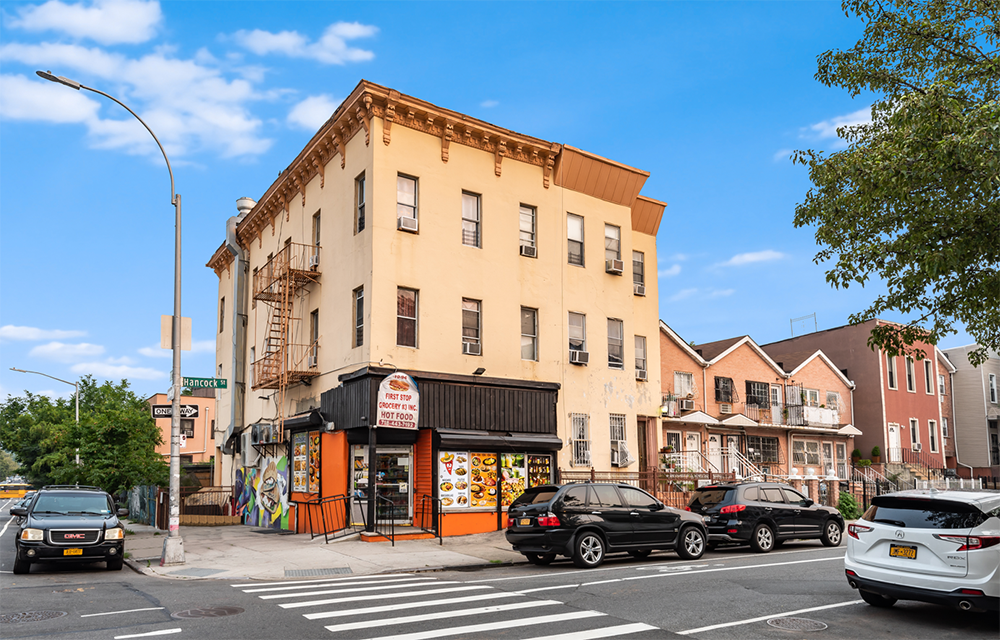
Investment Property Realty Group closes $1.75 million sale of 1094 Hancock Street in Brooklyn
Brooklyn, NY Investment Property Realty Group (IPRG), a New York-based commercial investment firm, has closed the sale of 1094 Hancock St., a mixed-use building in the Bushwick section, for $1.75 million.

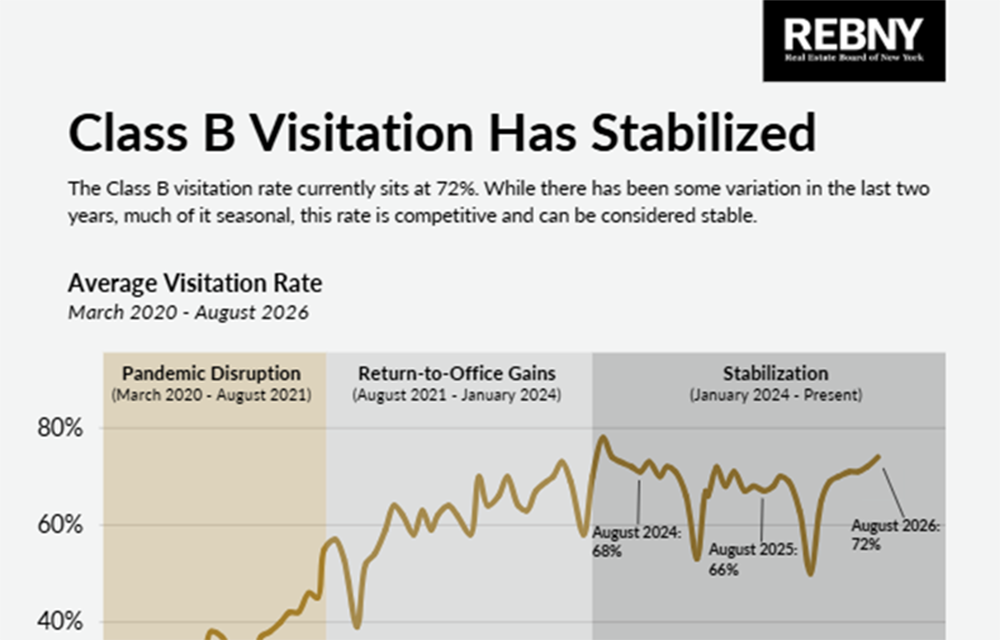



Quick Hits

Columns and Thought Leadership

Hunt CRE question and answer: Choosing a real estate agent - by David Hunt
First, we will only work with one agent exclusively. The primary reason is that we want that agent to legally represent our client’s interests. In New York State, a real estate agent has a fiduciary

Hunt commercial real estate question and answer: Fortune 500 wisdom - by David Hunt
Yes, there are lessons to be learned from the largest companies in America when comes to managing your real estate. But the decision to buy or lease real estate may not be one of

New York’s streets are full again, and the retail numbers prove it - by Noam Aziz
Walk down any New York block this year and you can feel it. The sidewalks are crowded, the storefronts are lit, and the energy that defines this city is back at full volume.

A guide to finding the right NYC property management company - by Sanjay Gandhi
Being a small to midsize landlord in NYC is an increasingly demanding endeavor. From navigating complex regulations, increased compliance demands to dealing with tenant issues and remediating violations. It is wise to enlist the assistance of a partner, a professional
.gif)