



News:
Brokerage
Posted: July 25, 2011
Von Der Ahe, Koicim and Lloyd of Marcus & Millichap complete $20 million; Represents seller in sale of 220 Park Avenue South sale
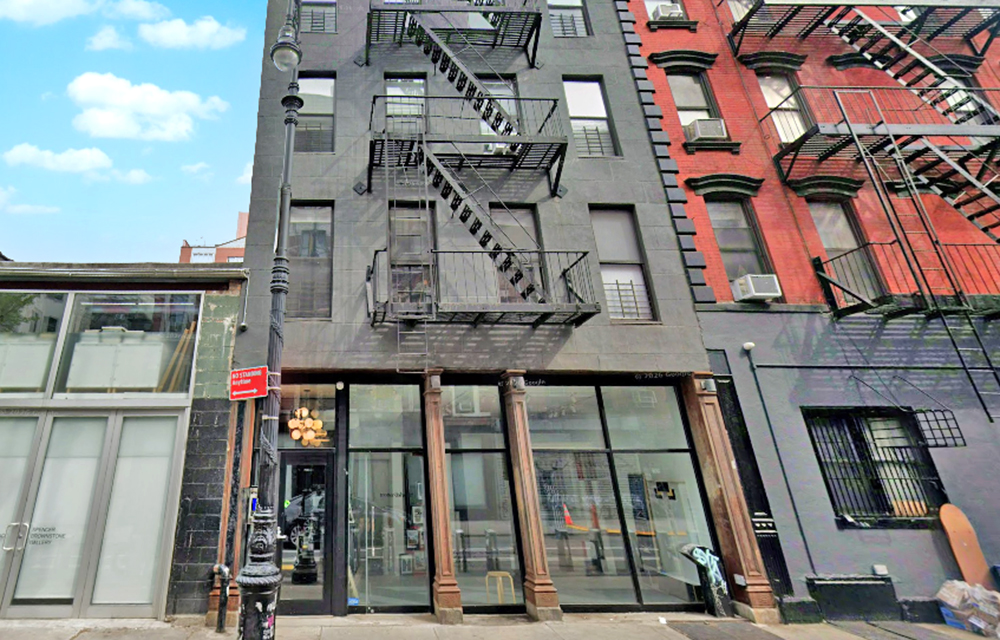
Marcus & Millichap Real Estate Investment Services has negotiated the $20 million sale of 220 Park Ave. South, a mixed-use residential and retail asset. Peter Von Der Ahe, a VP investments, senior associate Joseph Koicim, and David Lloyd, a multifamily investment specialist, all in the Manhattan office of Marcus & Millichap, represented the seller, a L.I.-based family. The buyer was a locally based landlord and private investor.
220 Park Ave. South has 37 residential units, most of which are studios and one-bedrooms. The 33,638 s/f foot, nine-story asset also includes four two-bedroom duplex penthouse apartments and one 2,650 s/f retail space currently occupied by the restaurant Haru.
"As the stock market remains unpredictable and unrest continues abroad, investors are increasingly turning their sights to Manhattan investment real estate, a sure bet in this unstable economy," said Von Der Ahe.
"This turn-of-the-century, well-located asset commanded a high price per unit because of our firm's ability to access investment capital from a wide array of interested buyers across the nation and abroad. Foreign investors, funds and a wide array of private investors are interested in Manhattan commercial real estate opportunities," said Koicim. "Furthermore, this pride-of-ownership building will only continue to appreciate in value, making this an excellent long-term investment."
"This building presents the new ownership with many future redevelopment opportunities, including conversion to condos," said Von Der Ahe. "In this particular submarket, property owners have commanded north of $1,300-plus per s/f for newly constructed condominiums."
Notably, the best attribute of this building is its location.
"The residential rental market is currently on fire," said Koicim. "This is one of the strongest rental markets in the city, with endless demand and it's no surprise that there was a tremendous amount of interest in this asset. The competitive bid process generated more than 25 written offers, allowing the building to achieve a high sales price which appeared inconceivable to most investors."
Tags:
Brokerage
MORE FROM Brokerage
GFP Real Estate signs 11,078 s/f of leasing activity at 630 Ninth Ave.
Manhattan, NY GFP Real Estate closed three office leasing transactions totaling 11,078 s/f at 630 Ninth Ave. in Midtown, including a new lease with Irish Arts Center and extensions by existing


Quick Hits
 (2).gif)

Columns and Thought Leadership

A guide to finding the right NYC property management company - by Sanjay Gandhi
Being a small to midsize landlord in NYC is an increasingly demanding endeavor. From navigating complex regulations, increased compliance demands to dealing with tenant issues and remediating violations. It is wise to enlist the assistance of a partner, a professional

New York’s streets are full again, and the retail numbers prove it - by Noam Aziz
Walk down any New York block this year and you can feel it. The sidewalks are crowded, the storefronts are lit, and the energy that defines this city is back at full volume.

Hunt commercial real estate question and answer: Fortune 500 wisdom - by David Hunt
Yes, there are lessons to be learned from the largest companies in America when comes to managing your real estate. But the decision to buy or lease real estate may not be one of

Positive forecast for New York’s pro-housing push? - by Philip Butler
New York’s housing crisis remains a hot button topic despite growing consensus that varied and affordable housing is desperately needed statewide. Governor Hochul has recently introduced several initiatives to overcome N.Y.’s anti-housing
.gif)
September Promotion
